A Room Without Windows
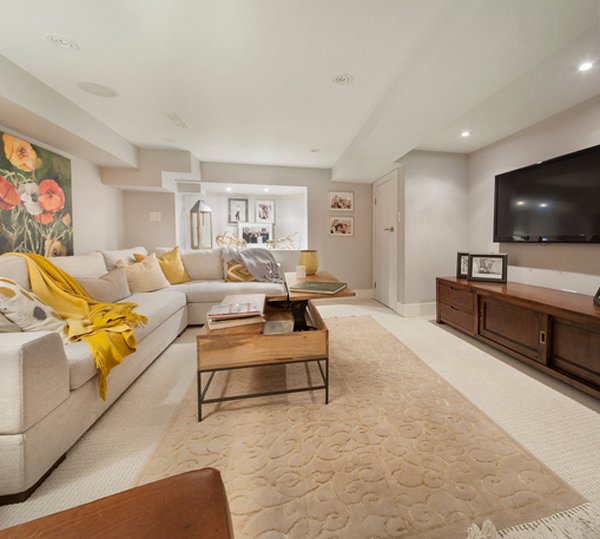
A room without windows can feel like a quiet refuge or a heavy confinement, depending entirely on how you choose to breathe and imagine in that enclosed stillness.
The Atmosphere of a Room Without Windows
Stepping into a room without windows, you immediately notice how the absence of outer sightlines changes the air. Light becomes something you manage rather than something that simply arrives, and the usual connection to sky, street, or garden dissolves. This kind of space invites you to listen more closely to echoes, to the soft hum of appliances, and to the subtle shifts of your own breathing.
Without a view to the horizon, the room encourages an inward focus. Colors tend to appear more intense because there is no competing brightness outside, and textures become more important under measured, intentional lighting. People often describe such a room as feeling intimate, meditative, or even isolating, and these impressions are shaped by personal history, current mood, and the way the space is curated.

Designing for Function and Comfort
Designing a room without windows demands careful attention to practical needs that are usually served by natural ventilation and daylight. Ventilation becomes essential, so many designers rely on high quality mechanical systems, trickle vents, or thoughtful cross breezes created by opening doors. Air quality and gentle airflow help prevent the stale, heavy feeling that can build in windowless rooms over time.
Lighting is another critical element, because you are replacing a dynamic, ever shifting outdoor source with a controllable, static one. Layered lighting, with ambient, task, and accent elements, allows you to shift the mood from calm to energetic as the day progresses. Warm color temperatures around 2700K to 3000K often work well, while adjustable dimmers give you the freedom to respond to different activities and times of day.
- Use indirect and direct light sources to create depth and reduce eye strain.
- Incorporate reflective surfaces like light colored walls, mirrors, or subtle metallic finishes to enhance brightness.
- Introduce natural materials such as wood, stone, or textiles to soften the artificial lighting and add warmth.
Psychology and Perception of Enclosed Space
The psychology of a room without windows is closely tied to our basic need for orientation. Humans rely on cues like the position of the sun, passing clouds, and changes in outdoor light to understand the passage of time. Inside a windowless environment, those signals are missing, which can make it easy to lose track of morning, afternoon, and evening.
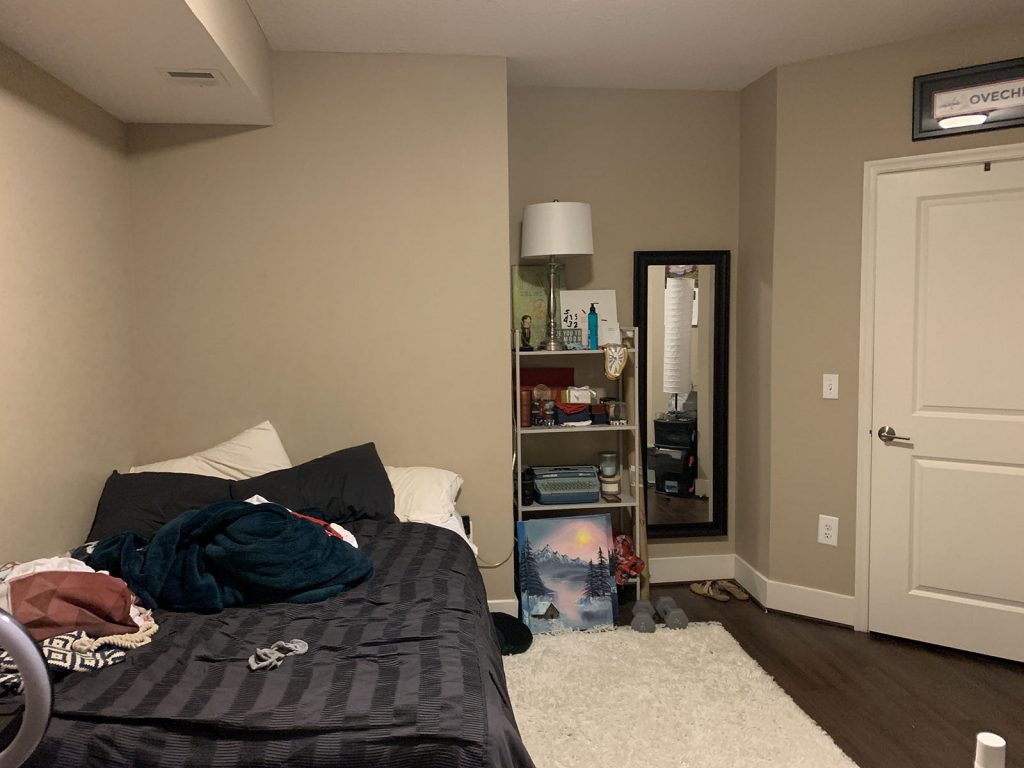
However, this absence can also be a creative advantage. Freed from the constant visual noise of the outside world, people sometimes find it easier to concentrate, to read, to write, or to engage in mindful practices. The key is to design the room in a way that supports rhythm, perhaps through subtle changes in lighting scenes, gentle background sounds, or simple objects that mark the transitions in your day.
Creative Uses and Intentional Limitations
Many artists, writers, and musicians deliberately seek out a room without windows during periods of intense focus. The lack of spontaneous views reduces distraction and can help create a protective cocoon around the creative process. When external scenery is removed, internal ideas often become more vivid, and the enclosed space itself starts to feel like a studio, a sanctuary, or a laboratory for imagination.
Some spaces, such as basement studios, inner apartments, or carefully planned meditation rooms, are intentionally conceived as windowless environments. In these cases, the design leans into the qualities of enclosure rather than treating it as a limitation. Thoughtful choices in acoustic treatment, texture, and spatial layout turn potential constraints into defining features of the experience.
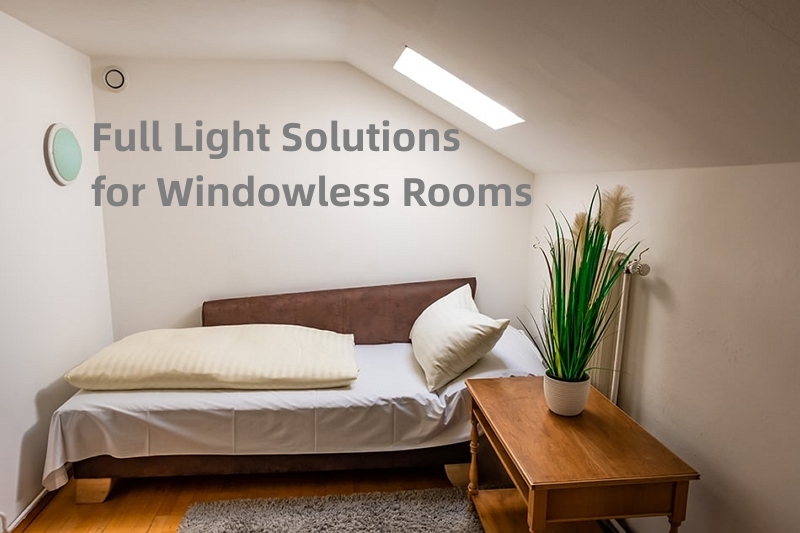
Bringing the Outside In
Even when there is literally no opening to the outside, it is possible to suggest a connection with the wider world. Artwork, photographs, or carefully arranged objects can evoke landscapes, weather, and memories of places you have been. Indoor plants, where light and maintenance are manageable, introduce life, movement, and a gentle reminder of nature.
Sound can also act as a bridge between the enclosed room and the world beyond. A curated playlist, recordings of birdsong or distant rain, or even the simple rhythm of your own daily activities can create a sense of continuity. By paying attention to these subtle details, a room without windows can feel less like a box and more like a thoughtfully designed retreat.
Balancing Privacy and Connection
One of the most practical reasons for choosing a room without windows is the heightened sense of privacy it offers. Without passersby able to glance inside, you gain a calm, personal zone where you can work, rest, or simply be yourself. This sense of separation can be especially valuable in shared homes, busy apartments, or urban environments where visual boundaries are limited.

At the same time, it is important to consider how this separation affects your mood and social needs. Regular interaction with other people, even through simple conversations or shared moments in common areas, helps maintain a sense of connection. Balancing the refuge of a windowless room with intentional social time and brief excursions into daylight can support both focus and emotional well being.
Ultimately, a room without windows is more than a physical condition; it is a design choice and a psychological environment. By shaping light, sound, texture, and routine with intention, you can transform a windowless space into a place that supports creativity, calm, and personal expression.
Steve Lawrence "A Room Without Windows" on The Ed Sullivan Show, March 8, 1964
Steve Lawrence "A Room Without Windows" on The Ed Sullivan Show, March 8, 1964. Subscribe now to never miss an update: ...
