Bamboo Plant In A Pot
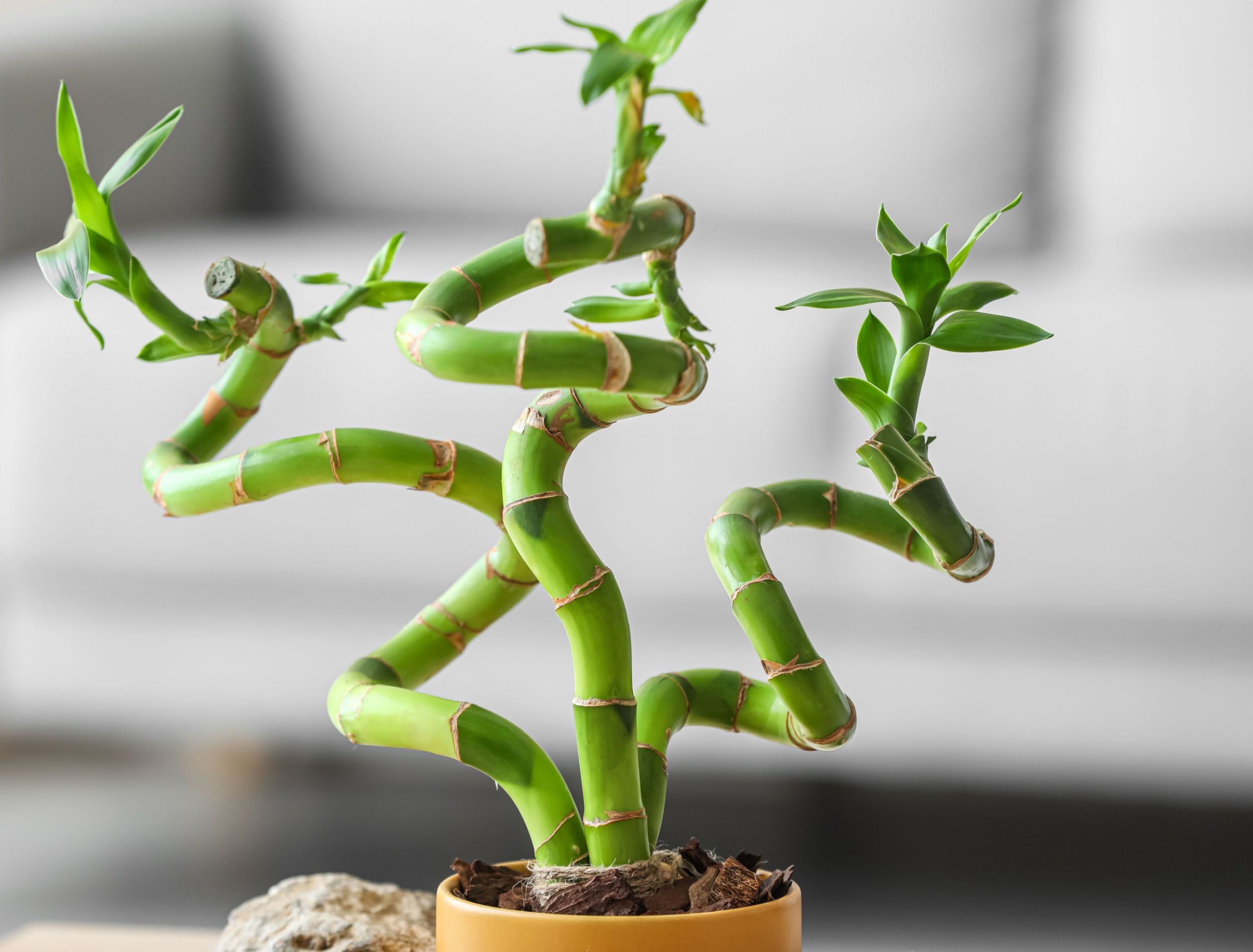
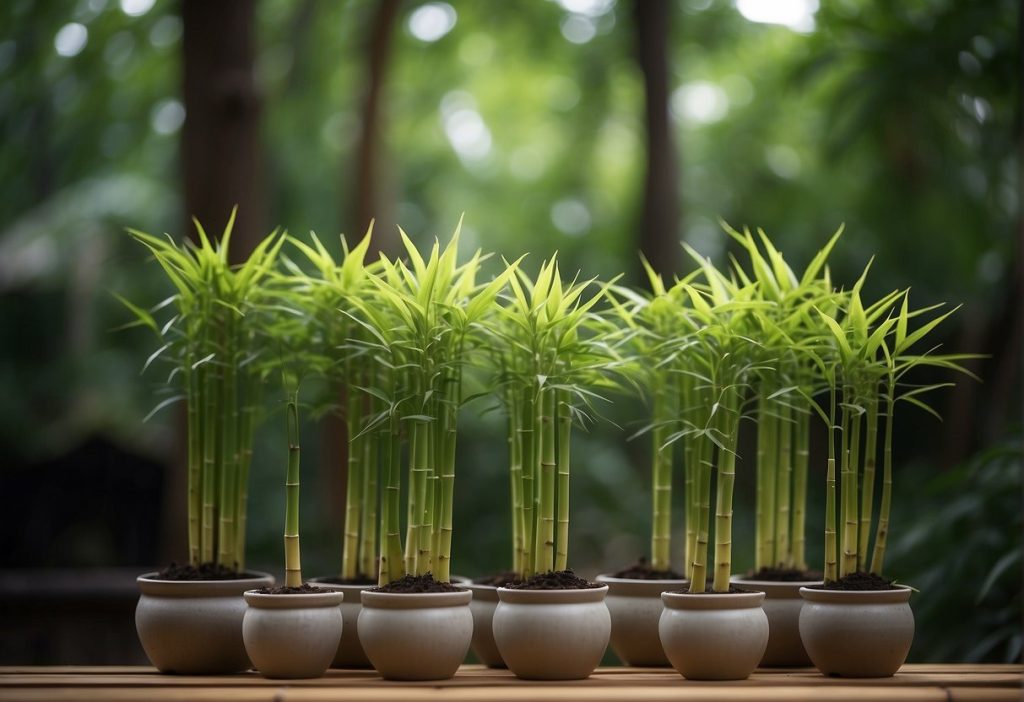
A bamboo plant in a pot brings a tranquil, tropical feel to any small balcony, bright desk, or quiet corner of the home.
Choosing the Right Bamboo for a Pot
Not every bamboo is equally suited to life in a container, so choosing the right species is the first step toward long term success. Lucky bamboo, often sold in water, is actually dracaena and thrives indoors with minimal fuss, while true bamboo varieties such as dwarf varieties of Phyllostachys or Fargesia can stay healthy in pots when given enough space and consistent care. When you select a bamboo plant in a pot, look for firm green stalks, evenly spaced leaves, and no signs of yellowing or pests, which together signal a strong start.
Consider the mature size of the species, because some types can grow surprisingly tall and wide even in containers, whereas dwarf or clumping varieties stay more compact and are easier to move around. Think about the light in your home; many bamboo types prefer bright, indirect light and can struggle in deep shade, so a spot with filtered sunlight is ideal. By matching the plant to your space and lifestyle, you set the foundation for steady growth and a lush, leafy display that feels calm and natural.
Picking the Perfect Pot and Soil
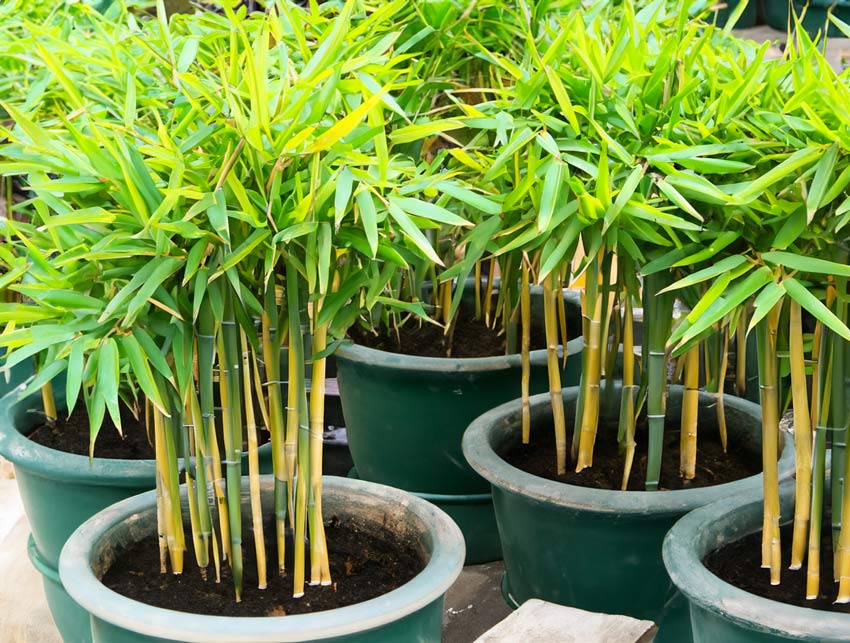
The right pot is essential for a healthy bamboo plant in a pot, because it affects drainage, root development, and stability as the stalks grow taller. Choose a container that is slightly larger than the root ball, with at least one drainage hole, so excess water can escape and roots are less likely to sit in moisture that invites rot. Materials such as ceramic, plastic, or unglazed clay each have their own benefits; clay breathes better but dries faster, while plastic retains moisture longer and is lighter to move.
Use a well draining, peat based or multipurpose potting mix, and you can improve aeration by mixing in a small amount of perlite or orchid bark, especially for indoor bamboo. Keep the soil consistently moist but never waterlogged, and let the top layer dry slightly between waterings to mimic the natural conditions that bamboo enjoys. With the right balance of pot size, drainage, and soil texture, your bamboo will stand firm, grow steadily, and display rich, healthy foliage.
Light, Temperature, and Humidity Needs
Light plays a crucial role in the vitality of a bamboo plant in a pot, and most varieties prefer bright, indirect light where they can soak in gentle rays without the harsh midday sun burning their leaves. If natural light is limited, you can supplement with grow lights or place the pot near a window that offers filtered light, adjusting its position if you notice stems stretching or leaves fading.

Temperature and humidity also matter, because bamboo typically thrives in the warm, moderately humid conditions found in its native landscapes. Keep the plant away from drafts, sudden temperature drops, and heating or cooling vents, and increase local humidity with a tray of pebbles and water or occasional misting if the air feels dry. Maintaining stable, comfortable conditions helps the leaves stay lush, the stalks strong, and the overall appearance vibrant.
Watering, Feeding, and Routine Care
Watering is one of the most important aspects of caring for a bamboo plant in a pot, and consistency is key to preventing both underwatering and root rot. Check the soil regularly by inserting a finger a few centimeters; if it feels dry at that depth, it is usually time to water thoroughly until liquid runs out of the drainage holes, then let excess water drain completely. In general, bamboo appreciates moisture, yet it dislikes sitting in a pool of water, so ensuring good drainage and avoiding saucers that trap excess liquid protects the roots.
Feed your bamboo during the active growing months with a diluted, balanced liquid fertilizer every few weeks, while reducing feeding in the cooler, slower growing period to prevent excess salt buildup in the soil. Rotate the pot occasionally so the bamboo grows evenly toward the light, and trim any browned or damaged leaves to keep the plant looking tidy and to direct energy toward healthy growth. These simple, regular actions support a strong root system, lush foliage, and a resilient bamboo that enhances your space for years.
Potential Problems and How to Solve Them
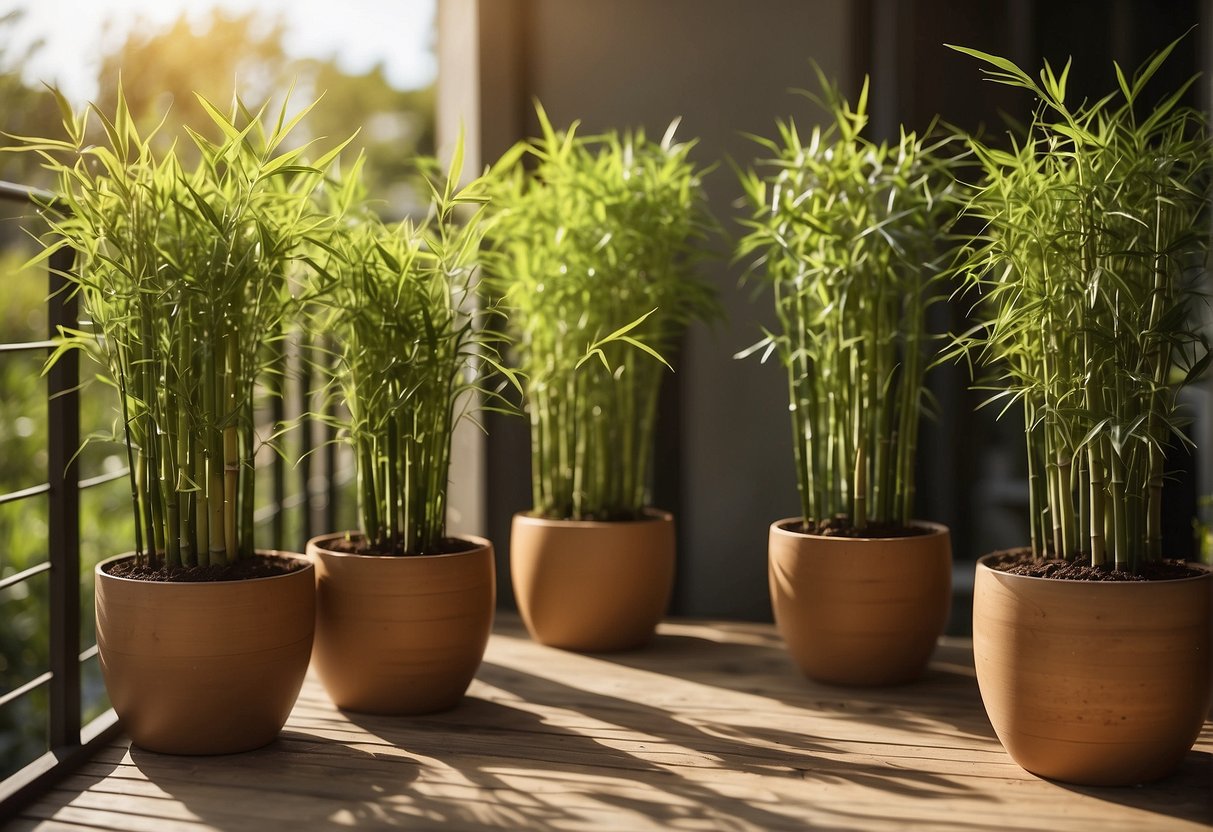
Even with good care, a bamboo plant in a pot can face a few common issues, and knowing how to respond early keeps your plant thriving. Yellowing leaves may signal too much water, not enough light, or nutrient deficiencies, so check your watering habits, light levels, and consider a gentle feeding if the plant looks pale.
Brown tips can appear when the air is dry, the water contains excess chemicals, or the roots are stressed, and you can often improve the situation by adjusting humidity, using filtered water occasionally, and trimming the damaged tips to encourage fresh growth. Watch for pests such as spider mites or mealybugs, especially on indoor plants, and manage them promptly with gentle cleaning, neem oil treatments, or insecticidal soap, keeping the leaves healthy and the bamboo looking its best.
Styling and Placement Ideas
A bamboo plant in a pot is incredibly versatile for home styling, fitting seamlessly into minimalist, boho, or modern decors while adding a vertical, leafy element that draws the eye. Place it on a bathroom shelf where steam adds natural humidity, on a desk to soften a workspace, or in a corner of your living area to create a calming focal point that feels like a quiet indoor garden.
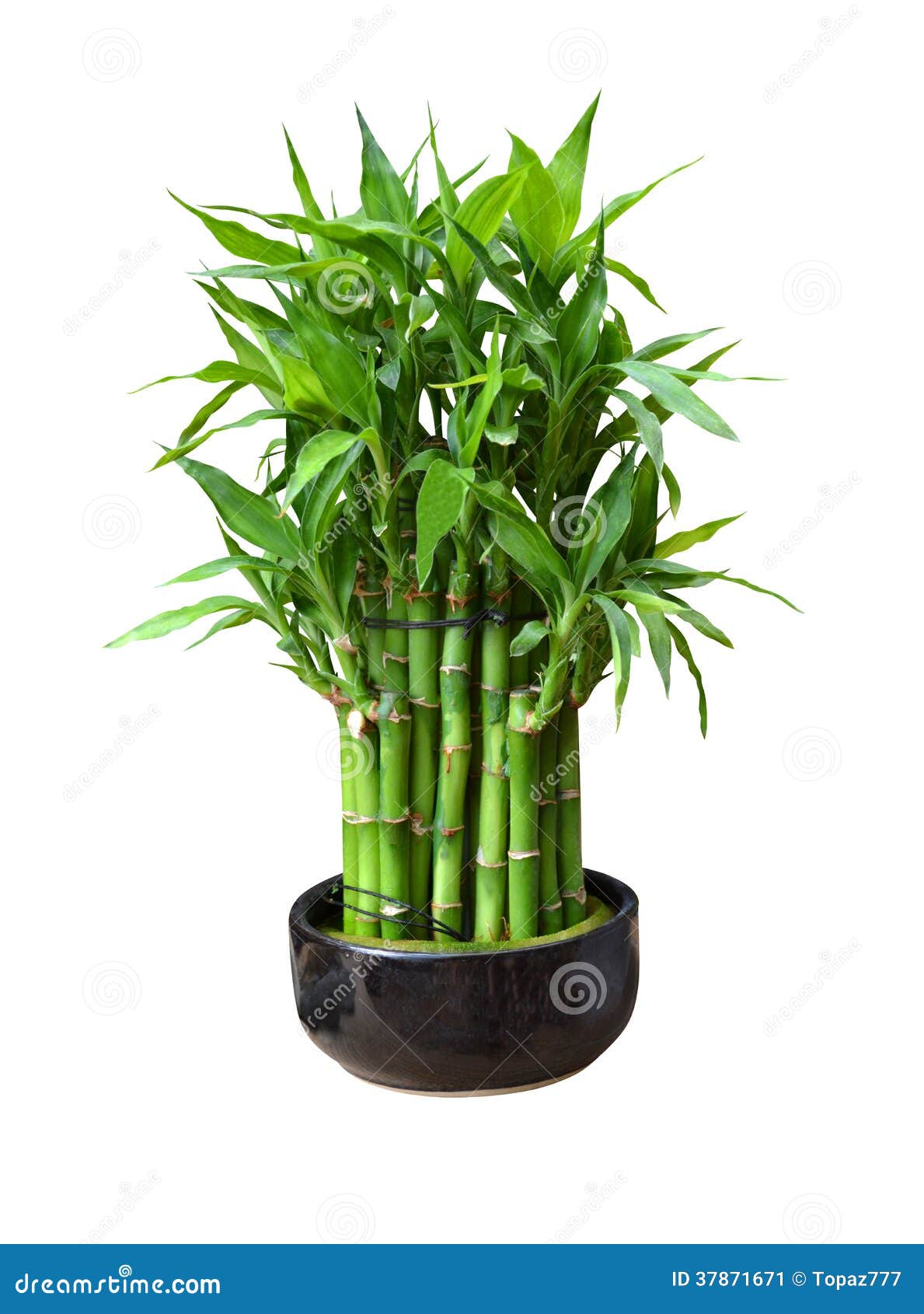
Group several pots of different heights together for visual interest, or pair a single bamboo stalk with smooth stones, ceramics, or neutral textiles to highlight its graceful form. Because bamboo is relatively compact in a pot, it is easy to move it around as your light conditions change or as you refresh your decor, keeping your space feeling current and alive with natural texture.
Long Term Growth and Enjoyment
With time, a bamboo plant in a pot can become a steady, reliable companion that grows at its own pace and rewards consistent care with lush, swaying leaves and a sense of quiet energy. You may need to repot every couple of years to refresh the soil and give roots a little more room, choosing a slightly larger container and handling the plant gently to avoid damaging the delicate stalks.
By observing your bamboo regularly, adjusting care with the seasons, and appreciating its simple, architectural beauty, you create a living feature that enhances your home, improves the atmosphere, and brings a touch of nature indoors year after year.
How to Plant Gracilis Bamboo in Pots and Troughs
Gracilis Bamboo Sydney shows how to plant clumping bamboo such as Gracilis (Slender Weavers) in planter boxes, containers ...
