Building A Custom Home
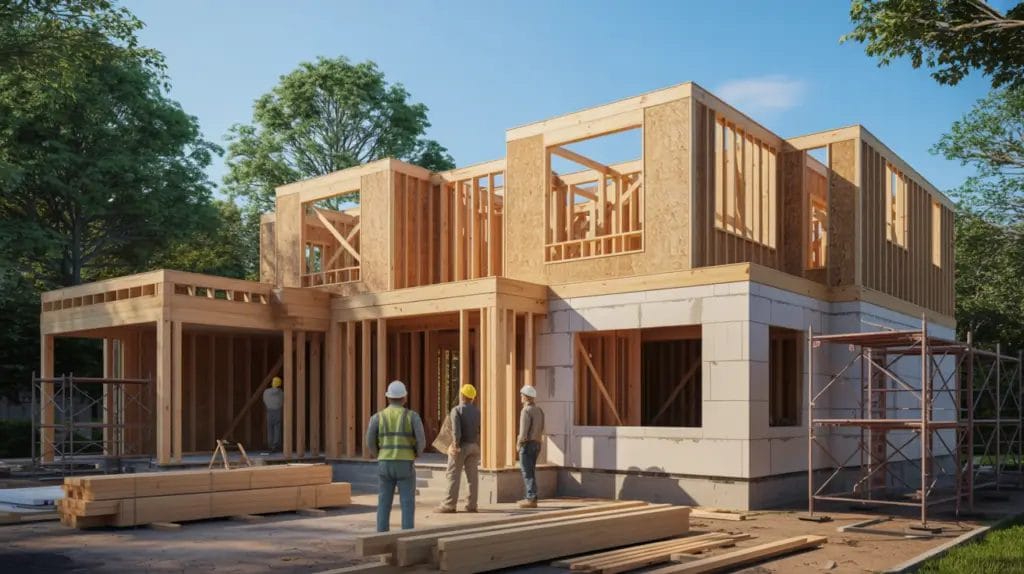
Building a custom home is one of the most rewarding ways to turn your everyday lifestyle into a lived-in design, where every room reflects your priorities and personal taste. Unlike buying an existing house, a custom project gives you the freedom to choose the layout, materials, and finishes that match your long term plans, whether that means a spacious kitchen for hosting, a quiet workspace, or a configuration suited to your local climate. From the earliest planning stages to the final walkthrough, the process invites you to collaborate closely with architects, builders, and designers so that the result feels truly tailored to you.
Clarifying Your Vision and Priorities
Before any plans are drawn or permits applied for, it helps to clarify what you really want from your new home. Start by listing non negotiable features, such as the number of bedrooms, accessibility needs, or a specific workspace, and then note the elements you are willing to adjust. Think about how you actually live, from daily routines and hobbies to entertaining frequency, so the design supports real life rather than an idealized version of it. A clear, realistic vision early on reduces change orders later and helps your design team propose solutions that truly fit your goals.
Budget and timeline are two more pillars of a successful custom home project. Work with your builder and designer to set a realistic budget range that accounts for land, permits, design fees, construction costs, and a contingency for unexpected expenses. Be honest about your priorities, whether that means investing in higher end kitchens and bathrooms while keeping other areas simpler, or choosing energy efficient systems that save money over time. Establishing a clear schedule with key milestones helps keep the project on track and ensures that expectations stay aligned among everyone involved.

Assembling the Right Team
Choosing the right professionals is one of the most important decisions you will make when building a custom home. A qualified architect can translate your ideas into practical plans, navigate code requirements, and coordinate the aesthetic details, while a trusted builder manages contractors, schedules, and quality control on site. Look for professionals with experience in projects similar to yours, ask for references, and review completed work to gauge reliability, communication style, and craftsmanship. When your team collaborates well and communicates openly, it becomes much easier to solve problems quickly and keep the project moving forward.
- Architect or designer to create detailed plans and ensure design integrity.
- General contractor to oversee construction, manage subcontractors, and coordinate schedules.
- Specialty trades for electrical, plumbing, HVAC, and other systems that must integrate smoothly.
- Landscape designer if you want outdoor living spaces that complement the architecture.
Strong contracts and clear documentation help protect both you and your team by outlining scope, payment schedules, and responsibilities. Before signing, review agreements carefully, ask questions about any unclear terms, and make sure change order procedures are defined. A well drafted contract sets expectations around timelines, costs, and responsibilities, which can prevent misunderstandings and disputes later. With the right team and agreements in place, you create a stable foundation for a smooth, collaborative building process.
Designing for Your Lifestyle and Site
The design phase is where your custom home starts to take shape, and it is the perfect opportunity to optimize the layout for your actual lifestyle. Think about how you move through your home each day, where you need storage, and which spaces will be used most often, then let those habits guide the placement of rooms and doors. A thoughtful floor plan can make small spaces feel larger, improve natural light, and create smooth transitions between indoor and outdoor areas. Working closely with your architect, you can balance aesthetic preferences with practical considerations like traffic flow, privacy, and future needs as your family grows or circumstances change.
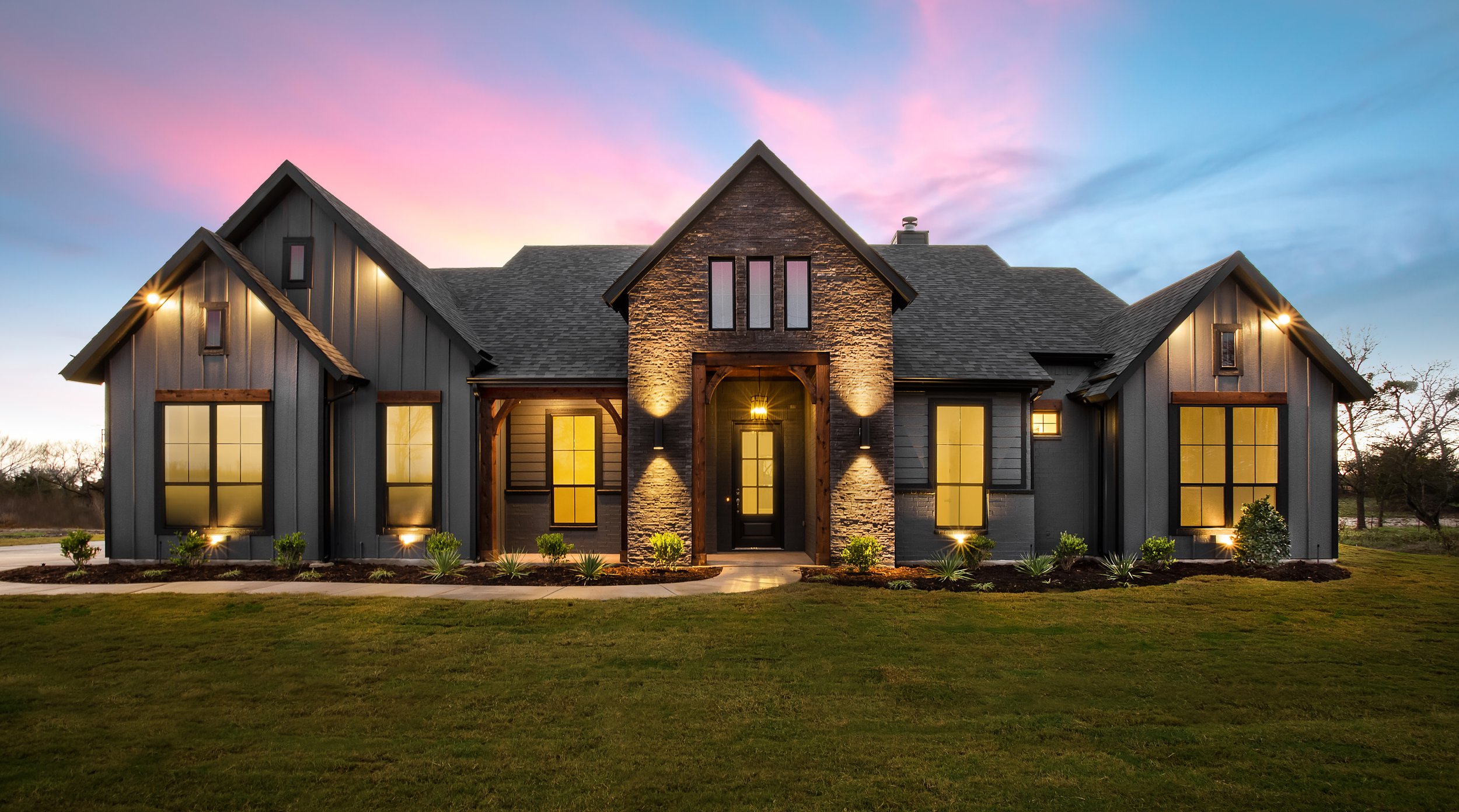
Site conditions also play a major role in shaping a custom home that performs well and feels comfortable. Factors such as sun exposure, wind patterns, topography, and drainage influence where to place the structure, how to orient windows, and which materials will hold up best over time. Your team can use this information to recommend energy efficient strategies, like maximizing passive solar heating or shading to reduce cooling costs, and to select finishes that suit the local climate. By responding thoughtfully to the site, your home can work in harmony with its surroundings rather than against them.
Navigating Permits and Construction
Securing the necessary permits is a critical step that ensures your project complies with local zoning, building, and safety regulations. Your builder or designer typically handles permit applications, but it is helpful for you to understand what approvals are required and where they fit into the overall schedule. Working with authorities early can prevent delays, avoid costly rework, and confirm that key systems and structural details meet code. Staying informed about permit status and keeping records of approvals helps you move through inspections with confidence.
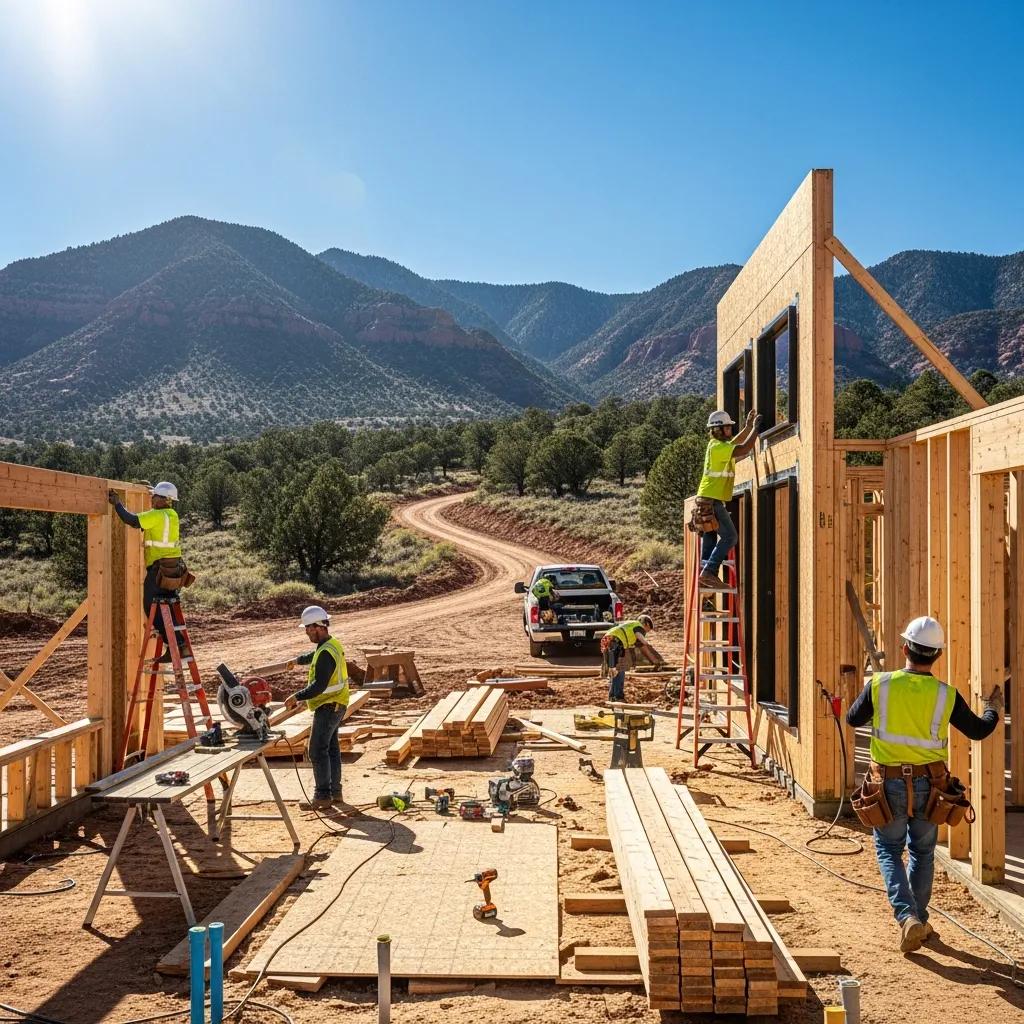
During construction, regular communication and on site visits allow you to catch issues early and ensure that finishes align with your expectations. Establish a routine check in schedule with your builder, review milestone completions, and ask questions whenever something is unclear so decisions are made with full context. Paying attention to details like material quality, installation accuracy, and workmanship at each stage makes it easier to address concerns while they are still manageable. With proactive oversight and a reliable point of contact, you can support a construction process that stays on track and delivers the custom home you envisioned.
Finalizing and Moving In
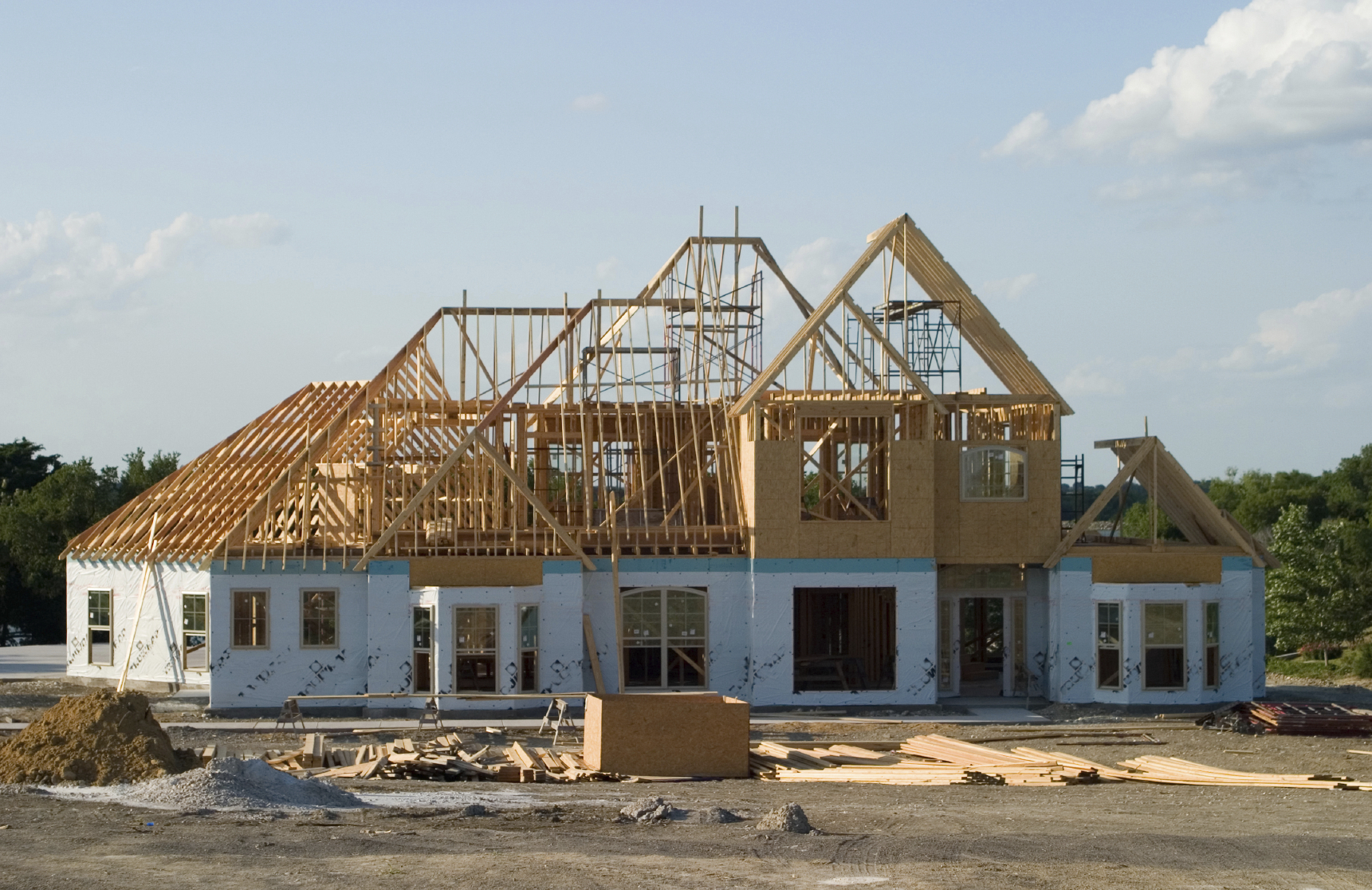
As construction nears completion, final inspections, punch list items, and last minute adjustments help refine your custom home before you take ownership. Walk through the house methodically with your builder, testing systems, checking finishes, and verifying that built in features work as intended. This is the time to address small imperfections, confirm that your storage and layout meet your daily needs, and ensure that the home feels ready for real life. A thorough final review protects your investment and gives you peace of mind as you prepare to move in.
Moving into a custom home is more than a change of address; it is the moment your design decisions become part of everyday life. Take time to learn how your new systems, appliances, and spaces perform under real world routines, and note any adjustments that could improve comfort or efficiency. Keep records of warranties, schedules, and maintenance recommendations so you can care for your home with confidence over the years. With thoughtful planning, a strong team, and ongoing attention, your custom home can continue to support your lifestyle and increase in value for many years to come.
In the end, building a custom home is a journey that blends careful planning, creative design, and hands on collaboration, resulting in a space that is genuinely your own. By clarifying priorities early, choosing the right partners, and staying engaged through each phase, you create a living environment that supports your long term goals and reflects your personal style. Whether your project is modest or extensive, the satisfaction of arriving in a home built around your needs makes the effort deeply worthwhile.
How to Build a Custom Home | 8 Steps to building your dream home in Lancaster, PA and beyond!
If you've ever wondered what steps are involved in building a custom home, this video is for you! We're visiting with Pine Hill ...
