De Quervain's Disease
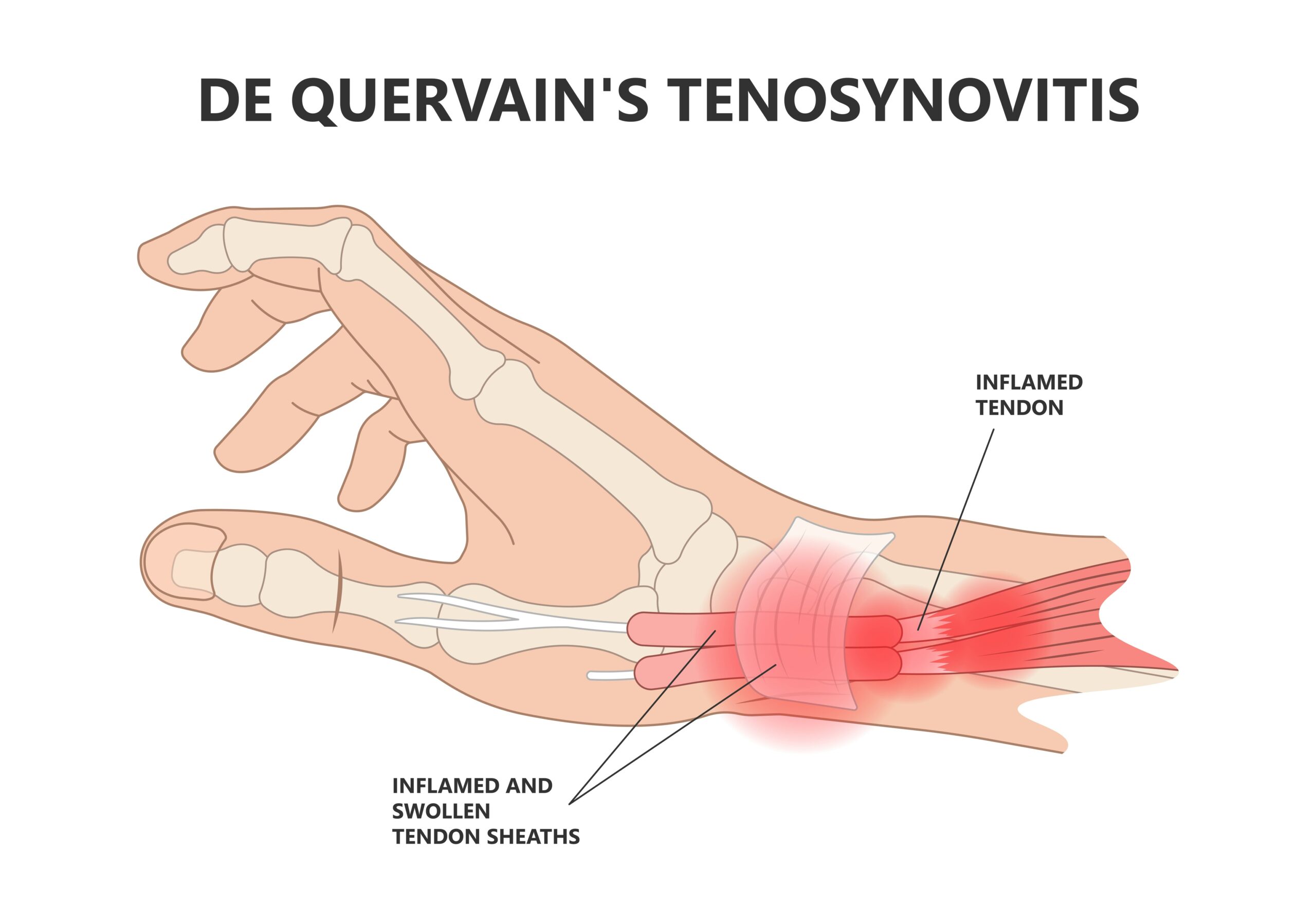
De Quervain's disease is a common condition that causes persistent pain and swelling near the base of the thumb and wrist. Many people first notice discomfort when they try to grasp objects, turn doorknobs, or lift a baby, and the symptoms can gradually interfere with everyday tasks. This problem involves inflammation of the tendons that run along the thumb side of the wrist, and understanding how it develops is the first step toward effective relief.
What Is De Quervain's Disease and Why It Happens
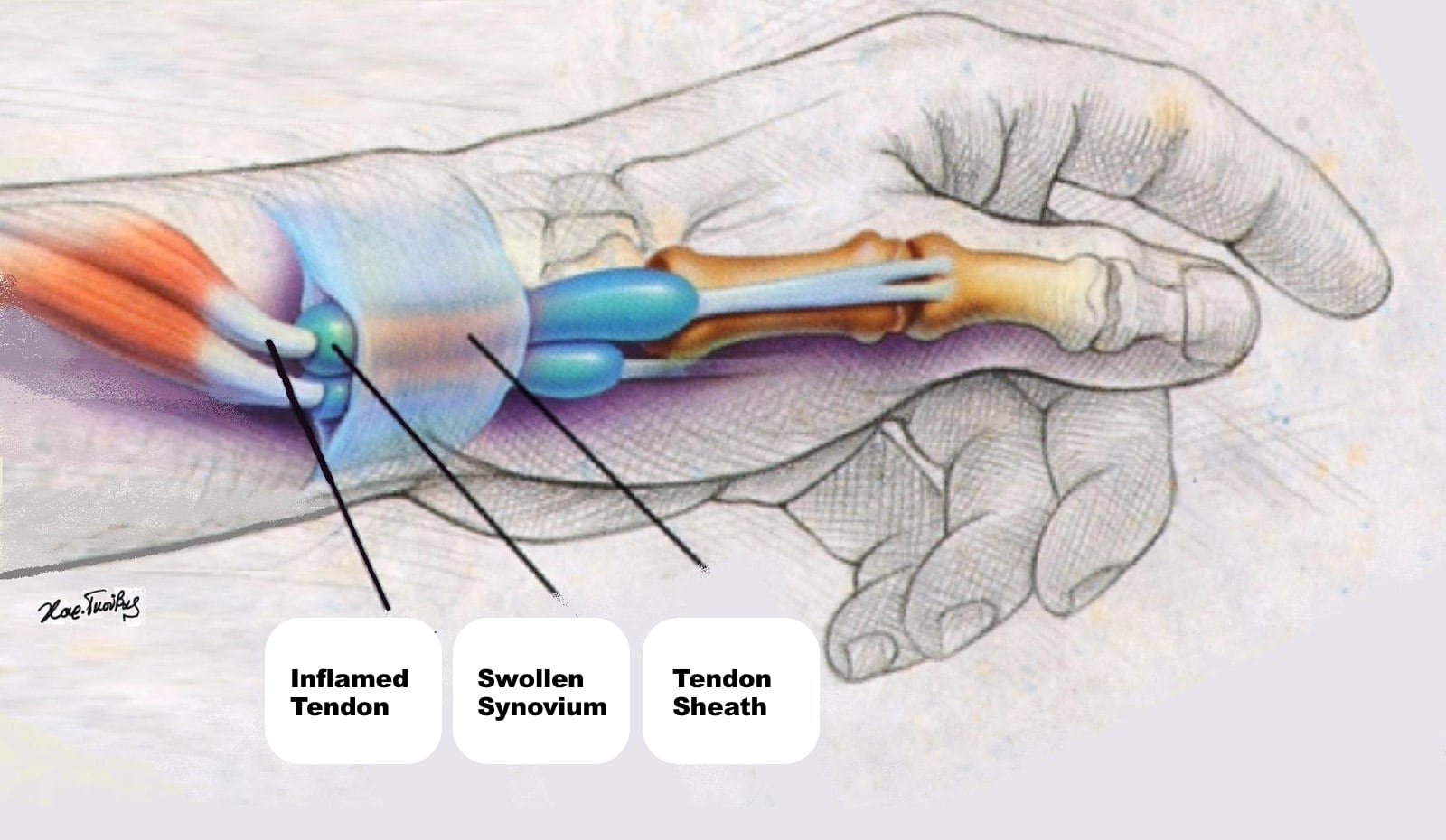
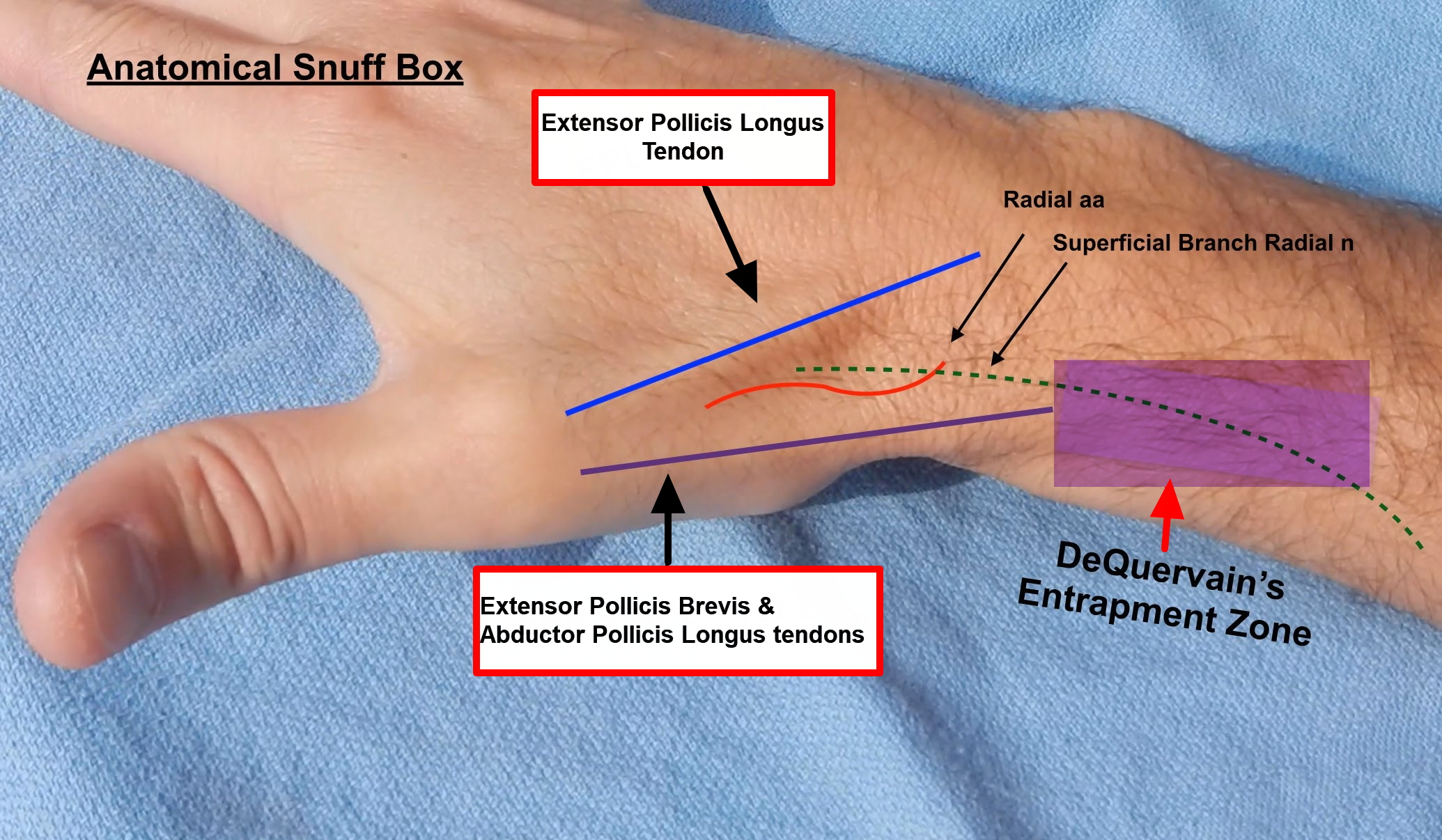
De Quervain's disease, also called De Quervain's tenosynovitis, occurs when the tendons around the thumb side of the wrist become swollen and irritated. These tendons, called the abductor pollicis longus and extensor pollicis brevis, pass through a narrow tunnel called the first dorsal compartment, and repeated motion can cause the lining of this tunnel to thicken. The result is pain, tenderness, and sometimes a catching or snapping feeling when you move your thumb or wrist. While the exact trigger is not always clear, repetitive gripping, lifting, or forceful thumb movements are common contributors.
Certain activities and physical characteristics can raise your risk, such as frequent use of the hands for work or hobbies, pregnancy, and inflammatory conditions. New parents who frequently lift their baby by the hands or use a one handed carry are especially prone, which is why the condition is sometimes referred to as baby wrist or mommy thumb. Recognizing these risk factors can help you adjust daily movements and reduce strain on the tendons before symptoms become severe.
Common Signs and Symptoms to Watch For
People with De Quervain's disease typically feel pain and tenderness along the thumb side of the wrist, and this discomfort may travel up the forearm or down into the thumb. The area can appear swollen, and you might notice a red or warm patch over the tendon tunnel. Simple motions such as making a fist, turning your wrist, or pinching between your thumb and fingers often worsen the pain, and you may hear or feel a gritty sensation when the inflamed tendons move.
In many cases, symptoms develop gradually and are mistaken for ordinary overuse, but they can also appear suddenly after a specific activity that involves repeated thumb use. Some people experience a painful snap or pop when moving the thumb, and weakness in the hand can make it harder to hold cups, utensils, or tools. If these signs persist for more than a few days or begin to limit your daily routine, it is a good idea to consider whether your wrist and thumb need specific attention.
How Health Professionals Diagnose the Condition
Diagnosis of De Quervain's disease usually starts with a conversation about your symptoms, daily activities, and any recent changes in how you use your hands. Your healthcare provider will examine the wrist and thumb, checking for tenderness over the tendon tunnel and watching how you move your hand. Two common physical tests, called Finkelstein's test and Eichoff's test, involve bending the thumb inward and gently ulnar deviating the wrist, which typically reproduces sharp pain when the condition is present.

Although imaging tests are not always necessary, your doctor may recommend an ultrasound to visualize the swollen tendons or to rule out other problems in the wrist. In some situations, an X ray or magnetic resonance imaging may be used to exclude fractures, arthritis, or other structural issues. An accurate diagnosis helps ensure that the treatment plan targets the inflamed tendons specifically and avoids unnecessary interventions.
Nonsurgical Treatment Options and Self Care
Most people with De Quervain's disease respond well to conservative care, especially when symptoms are caught early. Rest is important, which may mean temporarily modifying or avoiding activities that cause pain, such as heavy lifting, repetitive texting, or prolonged use of a computer mouse. Wearing a thumb spica splint that keeps the thumb and wrist in a neutral position can reduce strain on the tendons and allow inflammation to subside.
Ice applied to the painful area for short periods can ease swelling and numb discomfort, while over the counter nonsteroidal anti inflammatory drugs may be recommended to control pain and inflammation. Gentle range of motion exercises, guided by a healthcare professional, can help maintain flexibility without aggravating the tendons. If these measures are not enough, your doctor might suggest corticosteroid injections around the tendon sheath, which often produce significant improvement in symptoms.
When Surgery Might Be Recommended
Surgery is usually considered when symptoms persist despite several weeks of conservative treatment, or when pain and weakness are severe. The procedure, known as De Quervain's release, involves making a small incision near the base of the thumb to widen the first dorsal compartment and relieve pressure on the tendons. This outpatient surgery is commonly performed under local anesthesia, and most people can go home the same day with instructions for protecting the incision.
Recovery after surgery typically includes gentle movement exercises to prevent stiffness, followed by gradual strengthening as the tissues heal. Many patients notice reduced pain and improved function within a few weeks, although full recovery can take several months. Your surgeon will provide specific guidance on activity restrictions, wound care, and when it is safe to return to work, sports, or hobbies that involve heavy thumb use.
Preventing Future Episodes and Long Term Outlook
Preventing De Quervain's disease often comes down to managing repetitive thumb and wrist motions, taking regular breaks during prolonged tasks, and using proper body mechanics when lifting or carrying. Adjusting your grip, using larger joints for pushing and pulling, and alternating tasks can reduce strain on the tendons over time. Ergonomic tools, supportive splints during recovery, and targeted strengthening exercises can also play a role in keeping symptoms at bay.
With appropriate care, the outlook for people with De Quervain's disease is generally positive, and most individuals regain full function without long term limitations. Paying attention to early warning signs, such as persistent tenderness or swelling, and seeking timely treatment can help you avoid more invasive interventions. By combining smart habits, self care strategies, and professional guidance when needed, you can protect your wrist and thumb and continue the activities you enjoy.
Síndrome de De Quervain, também conhecida como "Polegar de Amora" - Pergunte à Dra. Jo
Alongamentos para a Síndrome de De Quervain, também conhecida como "Polegar de Amora" http://www.AskDoctorJo.com Esses ...
