Devil's Ivy Epipremnum Aureum
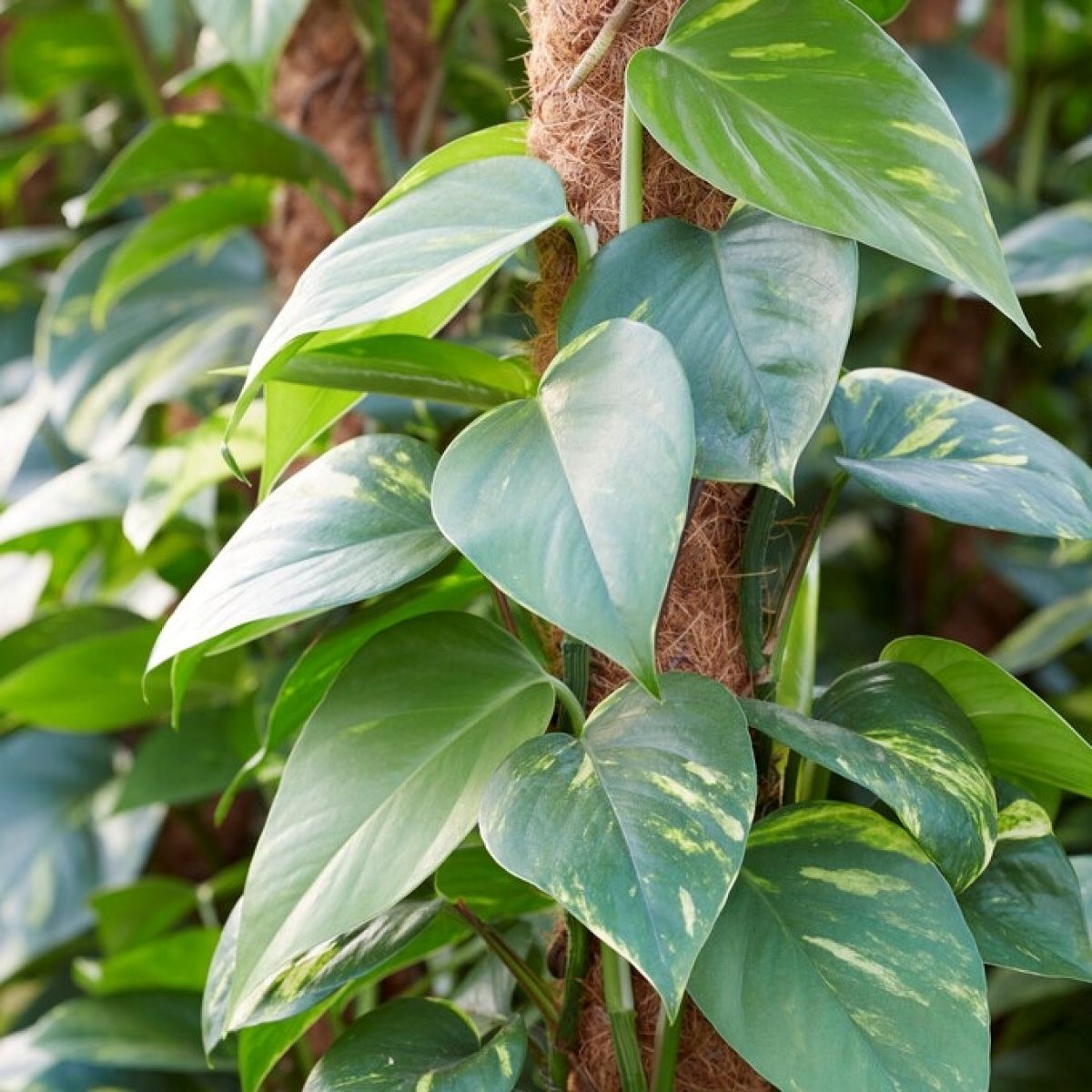
Devil's Ivy, scientifically known as Epipremnum aureum, is a trailing vine native to the Solomon Islands that has become a favorite among indoor gardeners for its resilience and striking foliage. This plant is celebrated for its heart-shaped leaves marbled with shades of green and yellow, and it thrives in a wide range of home environments. Often referred to as Pothos or Golden Pothos, Devil's Ivy is a low-maintenance choice that adds a lush, tropical vibe to any space. Its adaptability makes it suitable for hanging baskets, shelves, or office desks, and it even helps purify the air by removing common indoor pollutants.
Origins and Natural Habitat of Epipremnum aureum
Epipremnum aureum originates from the tropical forests of the Solomon Islands, where it climbs trees and rocks in its native environment. In the wild, it grows in warm, humid conditions with filtered sunlight, which explains its preference for bright, indirect light indoors. Understanding its natural habitat helps explain why Devil's Ivy is so forgiving—it is used to variable light and moisture levels. This background also highlights why it is often labeled as an "indestructible" houseplant, ideal for beginners or those with busy schedules.
As a member of the Araceae family, Devil's Ivy has evolved to survive in shaded understory conditions, which translates well to indoor settings. Its ability to tolerate lower light makes it a versatile choice for various rooms in your home. When you bring a Devil's Ivy plant into your space, you are essentially bringing a piece of the rainforest indoors, albeit in a more compact and manageable form. This connection to its origins is part of what makes caring for Epipremnum aureum so rewarding.

Common Names and Identification
Devil's Ivy is known by several names, including Golden Pothos, Money Plant, and Ceylon Creeper. The nickname "Devil's Ivy" comes from its tenacious growth habit—it is nearly impossible to kill and can thrive in conditions where other plants might struggle. The scientific name Epipremnum aureum refers to its genus Epipremnum and the Latin word "aureum," meaning golden, which describes the variegation in its leaves. Identifying this plant is straightforward, thanks to its glossy, heart-shaped leaves and trailing vines that can grow several feet long.
When identifying Devil's Ivy, look for the following key features:
- Heart-shaped leaves with smooth or slightly wavy edges
- Variegated patterns in shades of green, yellow, and sometimes white
- Thick, aerial roots that help it climb and absorb moisture
- Vines that can trail or climb depending on how it is displayed
These characteristics make it easy to distinguish from similar plants, and they contribute to its popularity as a decorative houseplant. Whether you call it Devil's Ivy, Pothos, or Golden Pothos, you are referring to the same resilient Epipremnum aureum.
Care Requirements and Growing Tips
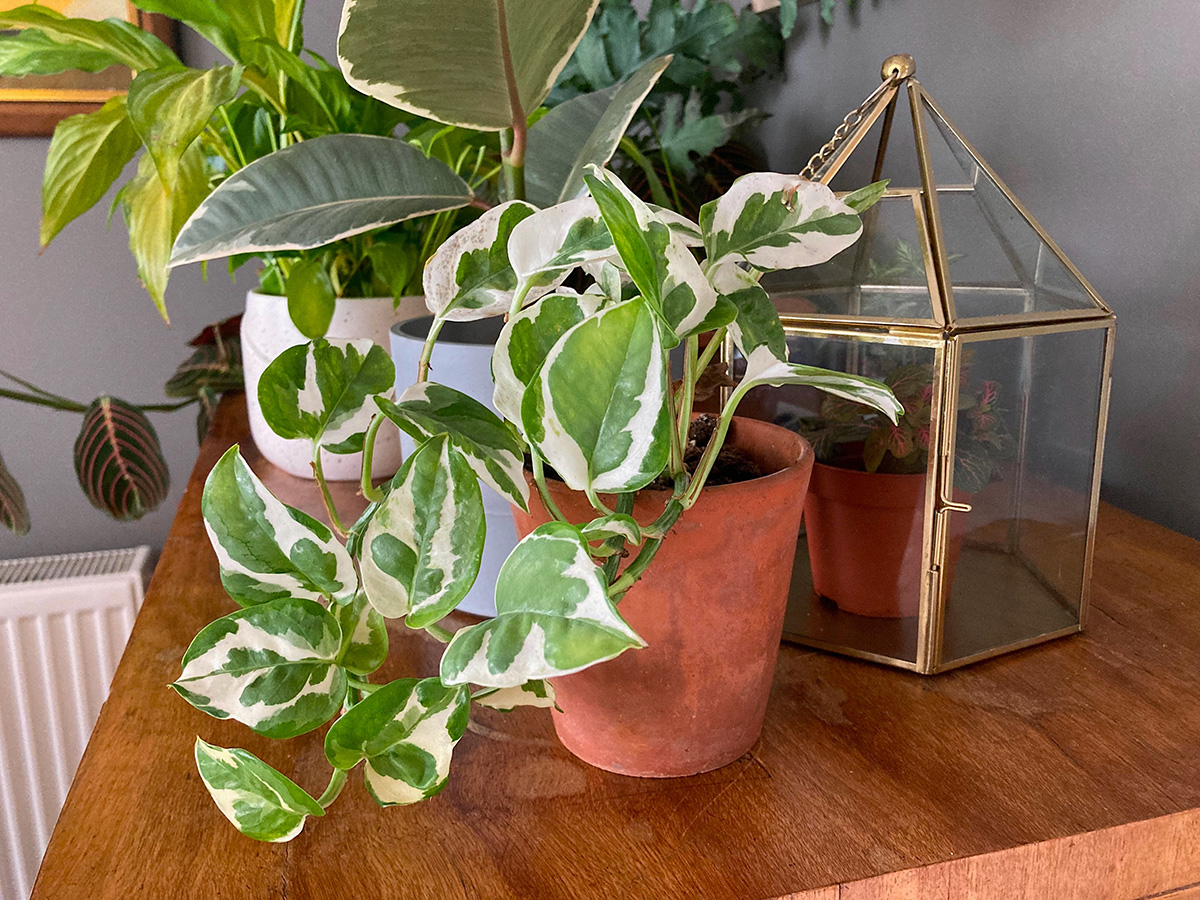
Caring for Devil's Ivy is straightforward, which is why it is a favorite for both novice and experienced plant parents. It prefers bright, indirect light but can tolerate low-light conditions, though variegated varieties may lose some of their color in dim settings. Water your Epipremnum aureum when the top inch of soil feels dry, and be sure to use a pot with drainage holes to prevent root rot. This plant is forgiving of occasional neglect, but it thrives with consistent, moderate care.
To keep your Devil's Ivy healthy, consider the following care tips:
- Light: Bright, indirect light is ideal, but it can adapt to medium or low light
- Water: Allow the soil to dry out between waterings, roughly every 1–2 weeks
- Soil: Use a well-draining potting mix, optionally mixed with perlite for aeration
- Temperature: Keep in a warm environment, ideally between 65–85°F (18–29°C)
Fertilizing your plant during the growing season, from spring to early fall, can promote lush growth. A balanced, water-soluble fertilizer every 4–6 weeks is usually sufficient. With these basic care steps, your Devil's Ivy will continue to flourish and add greenery to your space year-round.
Pest Management and Common Issues
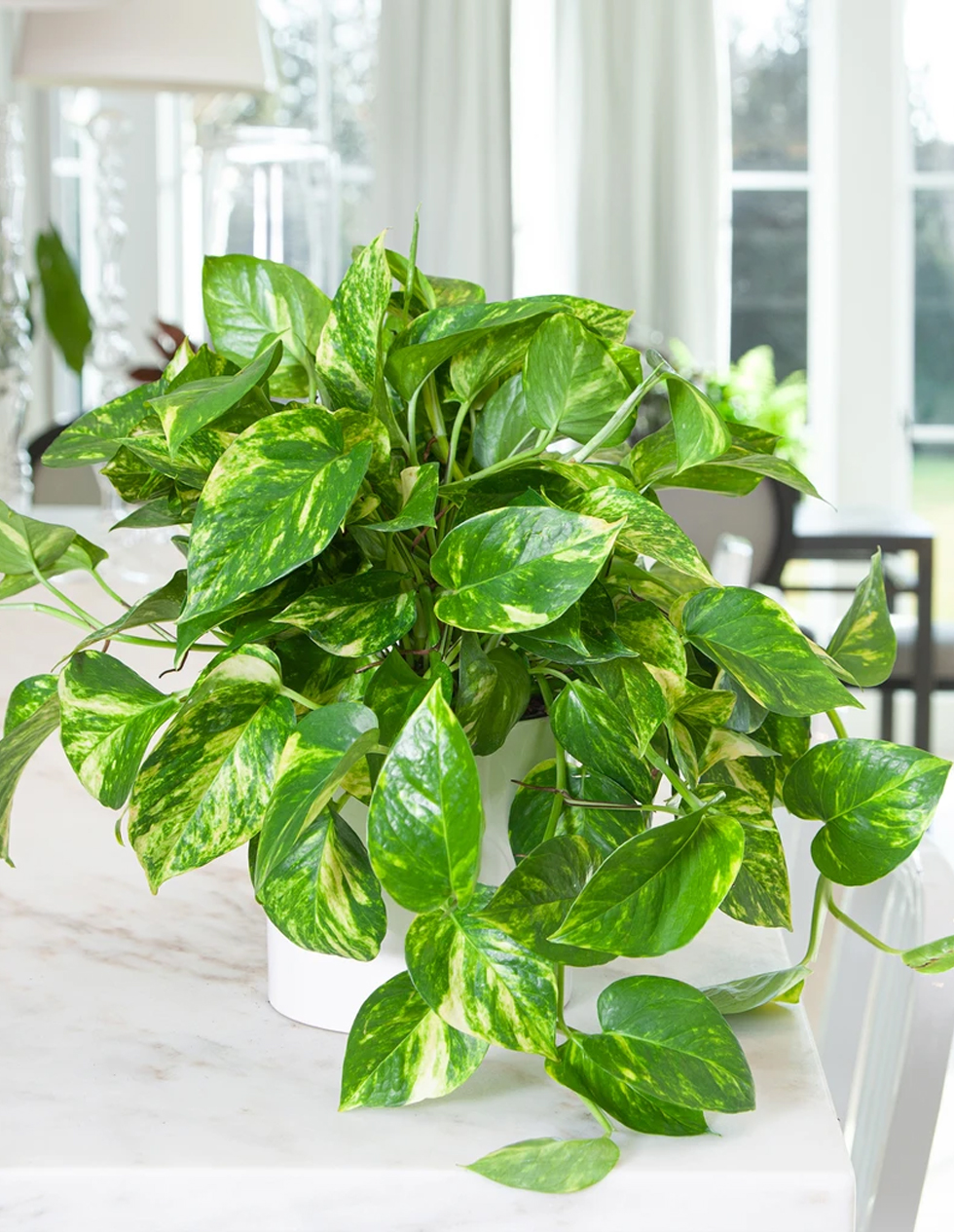
While Devil's Ivy is generally hardy, it can occasionally encounter pests or environmental issues. Common pests include spider mites, mealybugs, and scale insects, which tend to appear in dry conditions or poor air circulation. Regularly inspecting the leaves and stems can help you catch these problems early. If you notice pests, isolate the plant and treat it with insecticidal soap or neem oil to prevent further spread.
Other issues to watch for include yellowing leaves, which may indicate overwatering or poor drainage, and leggy growth, which often results from insufficient light. Pruning back long vines can encourage bushier growth and keep the plant looking full. By addressing these challenges promptly, you can maintain a healthy and vibrant Epipremnum aureum that enhances your indoor garden.
Propagation and Display Ideas
Propagating Devil's Ivy is simple and rewarding, making it a great way to expand your plant collection or share with friends. You can propagate through stem cuttings by cutting a section with at least one node and placing it in water or directly into soil. Within a few weeks, roots will develop, and new growth will appear. This process not only helps your plant but also allows you to create new displays around your home.

When it comes to displaying your Epipremnum aureum, the options are endless. Consider these ideas:
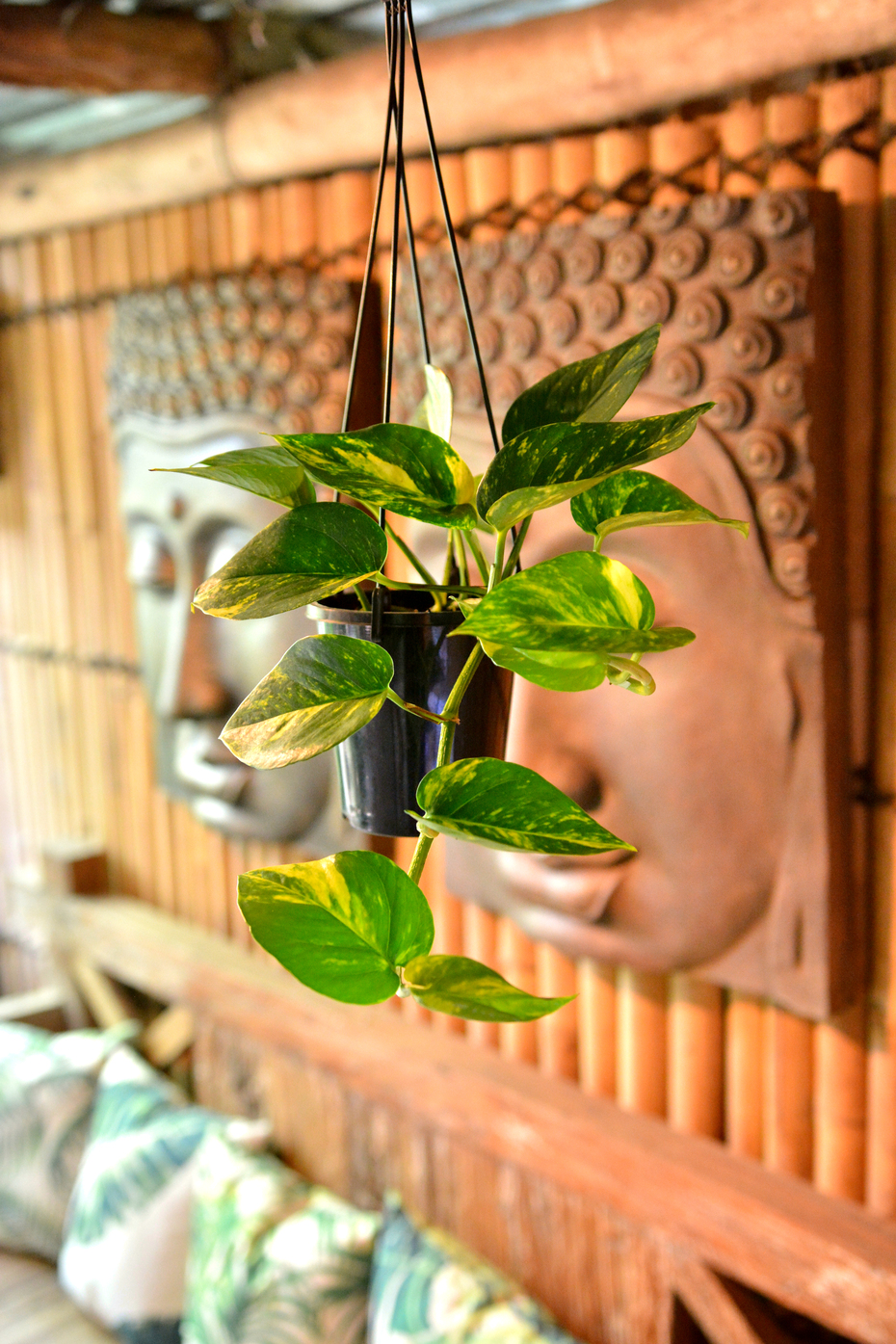
- Hang it in a macramé planter to showcase its trailing vines
- Place it on a high shelf where the leaves can cascade down
- Train it to climb a moss pole or trellis for a more structured look
- Use it in a grouping with other low-maintenance plants for a mini indoor jungle
No matter how you choose to display your Devil's Ivy, its adaptability ensures it will become a stunning focal point in your home.
Benefits and Air-Purifying Qualities
Beyond its aesthetic appeal, Devil's Ivy offers several benefits that make it a valuable addition to any indoor space. Studies, including research from institutions like NASA, have shown that Epipremnum aureum can help remove indoor pollutants such as formaldehyde, benzene, and xylene. This air-purifying quality contributes to a healthier living environment, especially in homes or offices with limited ventilation.
Additionally, caring for plants like Devil's Ivy can have positive effects on mental well-being. The act of tending to a living thing can reduce stress and promote mindfulness. Its fast growth and visible changes provide a sense of accomplishment and connection to nature. With its combination of beauty, resilience, and functionality, Devil's Ivy is more than just a decorative plant—it is a versatile and beneficial companion for your indoor environment.
In conclusion, Epipremnum aureum, or Devil's Ivy, is an exceptional choice for anyone looking to add greenery to their home with minimal effort. Its origins in the Solomon Islands, wide range of common names, and straightforward care requirements make it accessible and enjoyable for all plant enthusiasts. By understanding its needs and benefits, you can cultivate a thriving indoor garden that brings joy and fresh air into your daily life.
Tudo o que você precisa saber sobre Epipremnum Aureum Pothos
Epipremnum Aureum Pothos Link para os vídeos mencionados no vídeo: Nosso vídeo sobre pedra-pomes (rocha vulcânica): https ...
