Dracula's Bran Castle
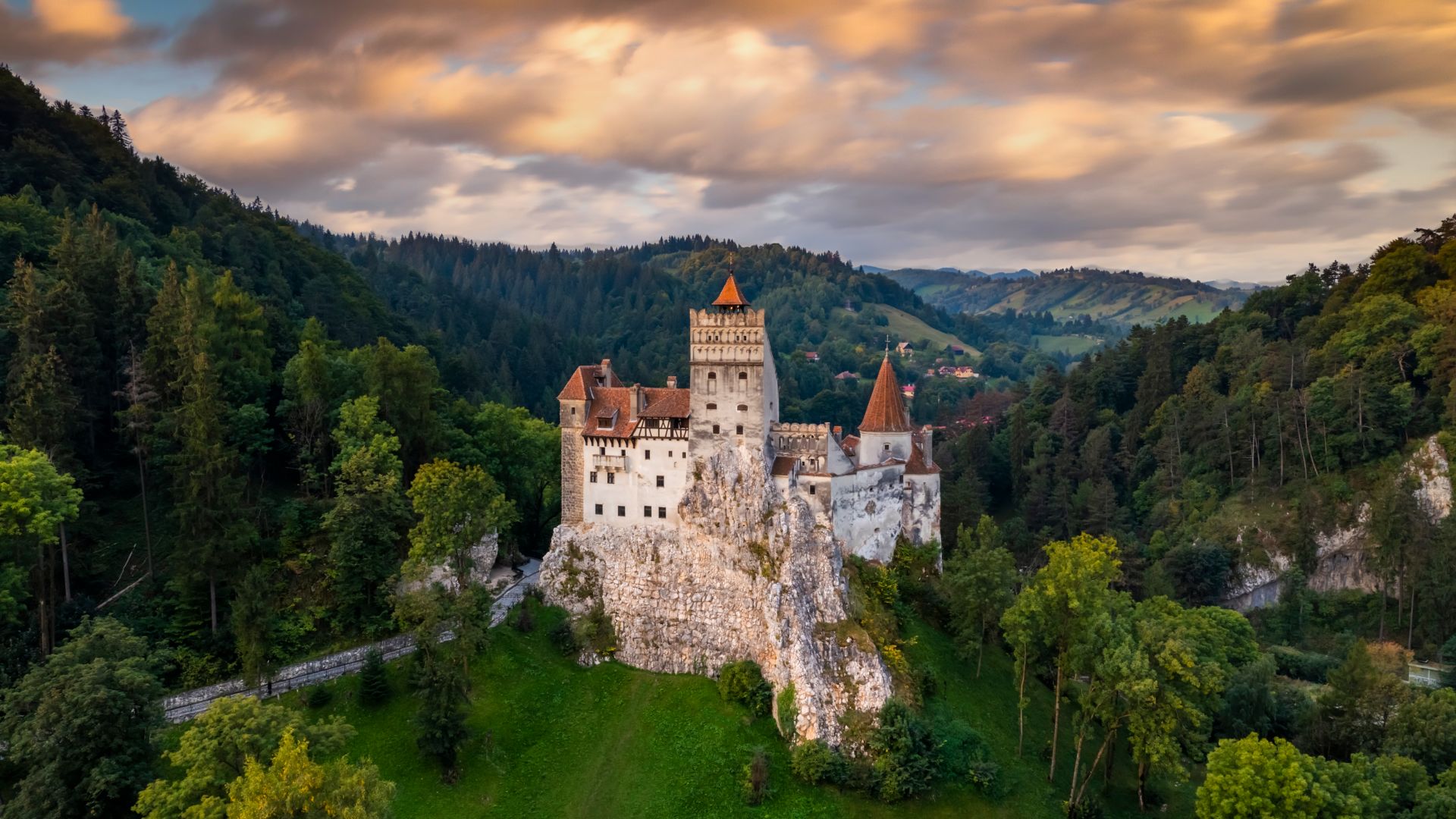
Few places on Earth capture the imagination like Dracula’s Bran Castle, perched high in the Carpathian Mountains above the sleepy Romanian town of Bran.
Why Bran Castle Is Forever Linked to Dracula
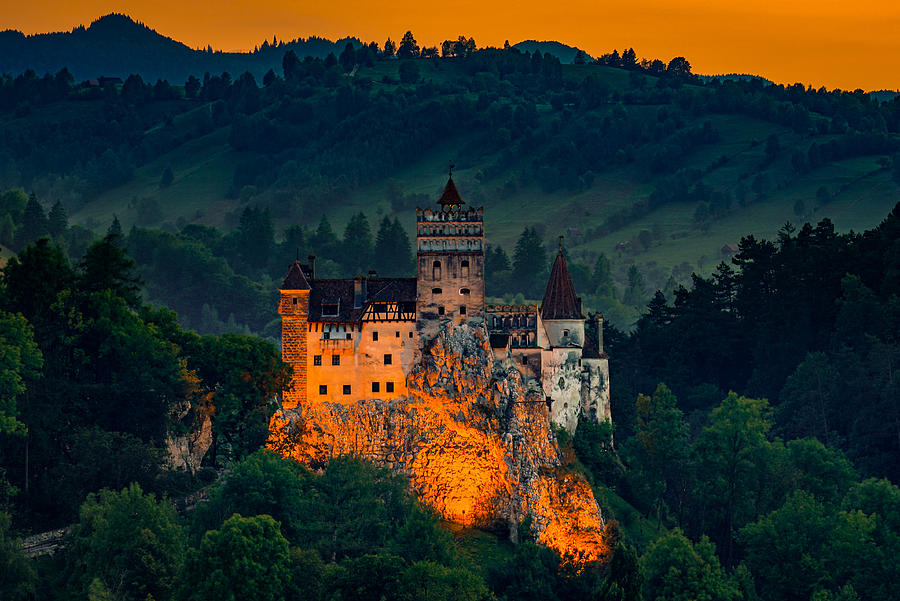
Bran Castle is often called Dracula’s Castle, and for a very good reason. Its dramatic towers, narrow passages, and hilltop position feel like they were lifted straight from a gothic novel. Although the castle was built by Saxons and later used by Romanian royalty, its mysterious atmosphere made it an easy inspiration for Bram Stoker’s legendary vampire, even if the book’s connection to the historical figure Vlad the Impaler is more marketing myth than strict history.
When travelers wander through dim corridors and peer through arrow slits, they are stepping into a space that blends real medieval architecture with decades of cinematic storytelling. The result is a place that feels both historically authentic and deliciously spooky, a combination that keeps visitors returning year after year.
The Real History Behind the Myth
Long before vampires haunted its halls, Bran Castle served practical strategic purposes. Built in the 14th century, it guarded a key mountain pass and helped monitor trade routes between Transylvania and Wallachia. Its fortified walls, watchtowers, and hidden corners were designed to slow down attackers rather than to host bloodthirsty nobles.
Later, in the 20th century, the castle became a royal residence for Queen Marie of Romania, who restored many of its rooms and filled them with art, furniture, and personal mementos. This blend of martial history and regal domestic life gives the castle a rare emotional depth, making it more than just a backdrop for ghost stories.
- 14th century origins as a commercial and military checkpoint
- Connection to Queen Marie and Romanian royal family
- Transformation into a museum that showcases both history and legend
What to Expect During a Visit
Walking up the winding path to Dracula’s Bran Castle, visitors are greeted by steep stairs, stone walls, and the crisp mountain air of the Carpathians. Inside, the castle unfolds room by room, revealing suits of armor, old weapons, period furniture, and displays that explain both its real past and its fictional ties to Dracula.
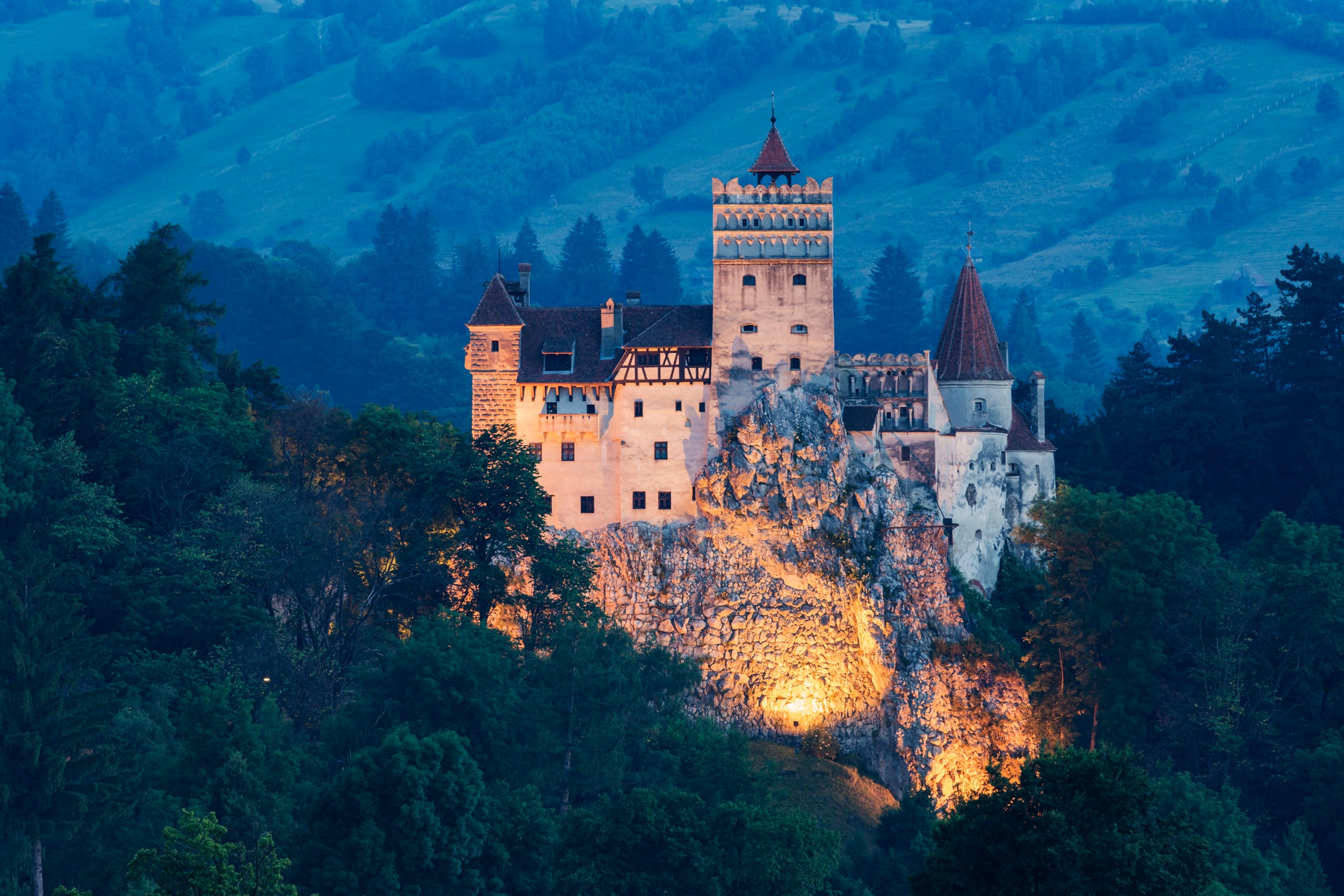
Each floor offers a slightly different mood, from the darker, more atmospheric chambers that suit vampire lore to the sunlit sitting rooms that reflect the elegance of a bygone aristocracy. Guides often point out clever architectural details like hidden staircases and trapdoors, which feel just as intriguing as any fictional secret.
Separating History from Hollywood
One of the most fascinating aspects of Dracula’s Bran Castle is how Hollywood and popular fiction have reshaped its identity. Movies and books have emphasized blood, bats, and midnight hunts, while the actual history involves diplomats, queens, and soldiers navigating political turmoil.
Understanding this gap can make a visit more meaningful, because you can appreciate both layers at once. You can enjoy the thrill of the vampire story while also respecting the castle’s genuine role in Romanian history. It is possible to admire the set design of a fictional nightmare and still respect the real people who once walked these halls.

The Surrounding Landscape and Atmosphere
The magic of Dracula’s Bran Castle does not end at its stone walls. The surrounding landscape of misty peaks, pine forests, and winding roads adds to the sense of mystery, especially on cloudy days when the castle seems to float above the trees.
Local markets in the town below sell handmade crafts, traditional foods, and souvenirs that connect you to the culture of the region. Taking time to explore the village streets and nearby trails can turn a simple castle visit into a full day of discovery, blending history, nature, and rural Romanian life.
Tips for Planning Your Visit
To get the most from a trip to Dracula’s Bran Castle, it helps to plan ahead. Tickets can be purchased online or at the entrance, but busy seasons may require advance booking. Comfortable shoes are essential, because you will climb stairs and walk on uneven paths both inside and around the castle grounds.
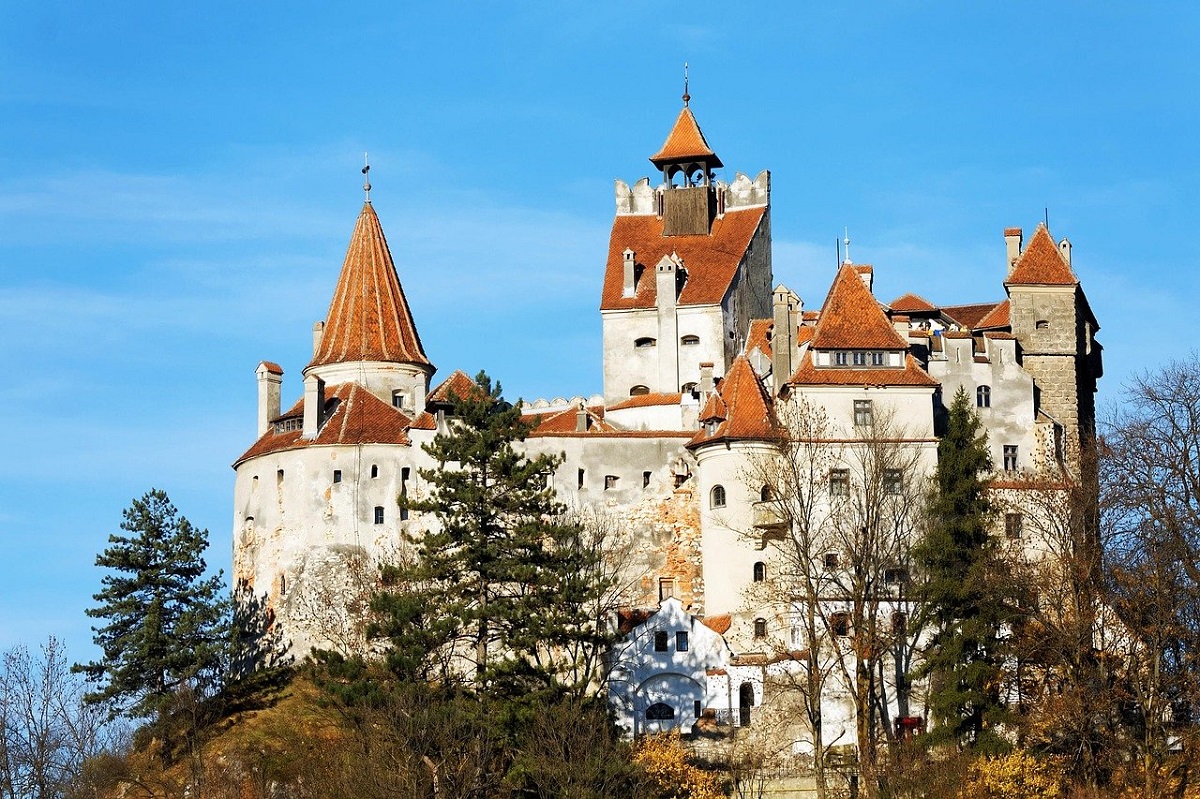
Consider visiting early in the morning or late in the afternoon for softer light and smaller crowds. Bring a light jacket, even in summer, because the mountain air can turn chilly in the shade. Pair your castle visit with a gentle walk through the village to soak in the atmosphere without rushing from one exhibit to the next.
Why Dracula’s Bran Castle Continues to Captivate
Dracula’s Bran Castle endures because it touches two powerful human interests: our love of history and our appetite for a good story. The real events of battles, royal life, and regional culture provide a sturdy foundation, while the vampire legends add drama, suspense, and an unforgettable sense of place.
Whether you approach the castle as a history enthusiast, a fan of gothic fiction, or simply a traveler seeking beautiful views, it offers something memorable. By the time you step back onto the path and look up at its turrets, you will understand why this hilltop fortress continues to haunt our imaginations long after the visit is over.

A Tour of Bran (DRACULA) Castle / Transylvania / Romania [ 4K ]
Bran, also known as Dracula's Castle is Romania's most visited landmark. It is located in the village of Bran, about 30 km from ...
