Enterotoxigenic E. Coli
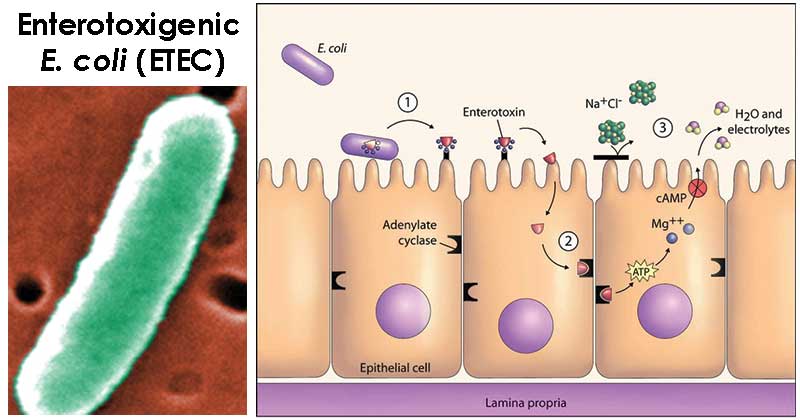
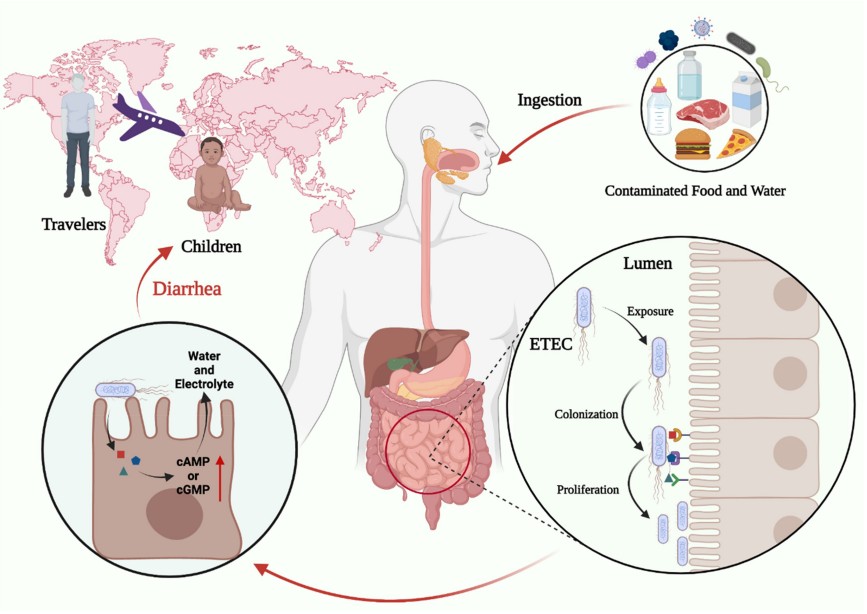
Enterotoxigenic Escherichia coli, commonly called ETEC, is a leading bacterial cause of diarrhea worldwide, affecting travelers, children in some regions, and populations with limited safe water and sanitation. This gut bacterium carries specialized genes that enable it to colonize the small intestine and secrete powerful toxins that disrupt normal fluid balance, leading to watery stools, cramps, and dehydration.
What Is Enterotoxigenic E. coli and How It Causes Illness
Enterotoxigenic E. coli belongs to a larger family of bacteria and is defined by its ability to produce enterotoxins, rather than by a single strain or serotype. Unlike more notorious foodborne pathogens that invade tissues aggressively, ETEC typically adheres to the surface of the intestinal lining without deeply invading cells. This surface colonization, combined with toxin production, is what primarily drives the clinical features of infection.
The illness often begins suddenly after exposure, with travelers frequently describing it as traveler’s diarrhea, though local children and residents can also be affected. Key risk factors include ingestion of contaminated food or water, poor hygiene, overcrowding, and exposure to environments where sanitation infrastructure is weak. In areas with repeated exposure, young children may experience multiple episodes, which can contribute to malnutrition and impaired growth if not managed appropriately.

Common Symptoms and Recognizing the Signs of ETEC Infection
People infected with enterotoxigenic E. coli usually develop watery diarrhea, abdominal cramping, nausea, and a general feeling of being unwell. Some individuals may also experience low-grade fever or vomiting, though high fever and bloody stools are less typical and suggest other causes. Symptoms often appear within one to three days after exposure and can last from a few days to about a week in otherwise healthy people.
Because the main danger of ETEC is fluid loss, the most important thing to watch for is dehydration, especially in young children, older adults, and people with weakened immune systems. Signs of dehydration include dry mouth, reduced urine output, dizziness, rapid heartbeat, and in children, sunken eyes or unusual sleepiness. Replacing lost fluids with oral rehydration solutions, clean water, and electrolyte drinks is central to home care and recovery.
How Enterotoxigenic E. coli Spreads in Communities and Settings
ETEC spreads primarily through the fecal-oral route, meaning that tiny amounts of contaminated feces enter the mouth of another person. This can happen when food or water is contaminated during preparation, when hands are not properly washed after using the toilet, or when surfaces harboring the bacteria are touched and then the mouth is contacted. In places with inadequate water treatment and sewage management, the risk of transmission remains high.

Certain environments and behaviors increase the likelihood of exposure, including consuming raw or undercooked foods rinsed with local water, eating from street vendors with questionable hygiene, and drinking untreated water from rivers or wells. Crowded settings such as refugee camps, daycare centers, and some institutional facilities can facilitate outbreaks when infection control practices are not consistently applied. Travelers to areas with different sanitation standards are also more vulnerable, especially when they ingest unfamiliar water or ice.
Diagnosis and Laboratory Approaches to Identify ETEC
Healthcare providers often suspect enterotoxigenic E. coli based on symptoms, travel history, and exposure, but definitive diagnosis usually requires laboratory testing. Stool samples can be examined using molecular techniques, such as polymerase chain reaction tests, which detect the specific genes responsible for toxin production. Culture methods may also be used, although not all laboratories routinely test for ETEC toxins.
In outbreak or research settings, identifying the strain and its toxin profile can help public health officials track transmission routes and implement targeted interventions. For individual patients, supportive care remains the cornerstone of treatment, and clinicians generally reserve antibiotics for severe or prolonged cases. Rapid and accurate diagnosis supports better management and helps reduce unnecessary antibiotic use when the illness is expected to resolve on its own.
Prevention Strategies and Everyday Protective Measures
Because there is currently no widely available vaccine for the general public, prevention focuses on reducing exposure to contaminated food and water. Simple habits, such as drinking safely treated water, eating thoroughly cooked foods, and practicing careful hand hygiene, significantly lower the risk of infection. Travelers can follow familiar guidance to avoid street ice, unpeeled raw produce washed in local water, and undercooked dishes in areas with questionable sanitation.
Improving water quality, promoting safe food handling in communities, and strengthening sanitation infrastructure are long-term solutions that reduce the burden of enterotoxigenic E. coli, especially in high-risk regions. Public health education, particularly for caregivers of young children, about safe water storage, proper handwashing with soap, and safe disposal of feces can interrupt transmission chains. Coordinated efforts at the community and governmental level remain essential to achieve lasting reductions in disease.
Treatment Approaches and When to Seek Medical Care
Most cases of ETEC infection improve with supportive care, primarily oral rehydration therapy and careful attention to nutrition. In mild to moderate cases, the goal is to replace lost fluids and electrolytes, allowing the immune system to clear the bacteria and toxins over time. Antidiarrheal medications may help reduce symptoms in some adults, but they are generally avoided in young children and when fever or bloody stools are present.
Antibiotics are considered in situations where diarrhea is severe, prolonged, or associated with systemic symptoms, and healthcare providers may choose them based on local resistance patterns and individual risk factors. Medical attention should be sought if signs of dehydration worsen, if diarrhea persists beyond a few days, or if high fever and blood in stool develop. With appropriate care, the prognosis for most people with enterotoxigenic E. coli infection is excellent, and full recovery is typical.
Understanding enterotoxigenic E. coli, how it spreads, and the practical steps to reduce risk empowers individuals and communities to protect gut health and prevent disruptive episodes of diarrhea. By combining sound personal hygiene, safe food and water practices, and timely medical care when needed, it is possible to minimize both the personal impact and the broader public health burden of this common bacterial pathogen.
Truque fácil para sorotipos de E. coli 💡🦠 #medstudent #medshool #usmle #usmlestep1 #micro #microb...
What's a simple way to remember the associations with the stereotypes of E.coli starting with E Tech okay so just look at the ...
