Fisherman's Bastion Budapest
The Architectural Story Behind the Terraces
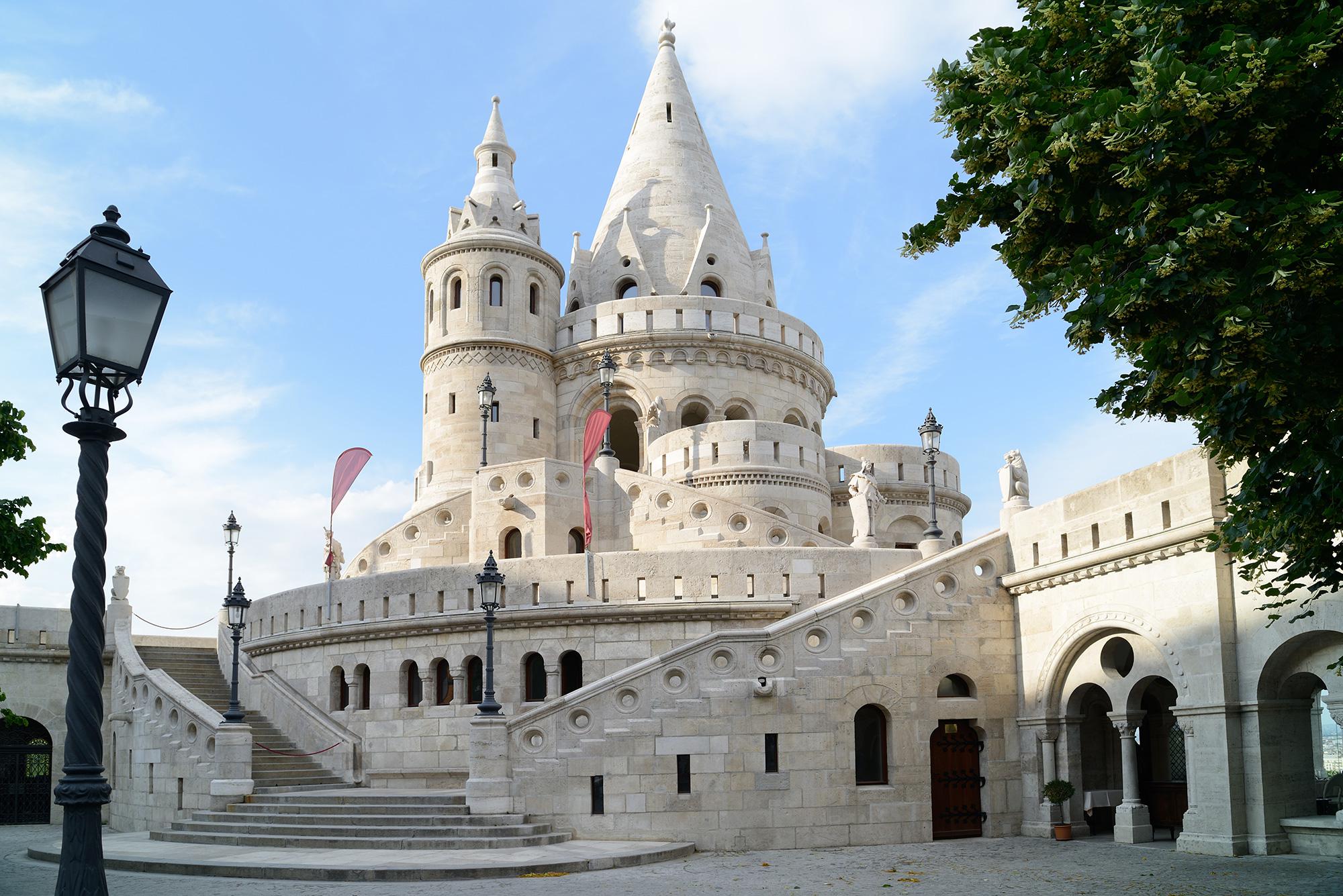
The architecture of Fisherman's Bastion is deliberately theatrical, with seven turrets representing the seven Magyar tribes that settled the Carpathian Basin. Each turret is slightly different in shape and detail, giving the complex a fairy-tale silhouette that looks like it has been lifted straight from a medieval fantasy. The walls are lined with stone balustrades, arches, and niches, creating a rhythmic pattern that guides your gaze across the panorama. Even the paving and stairways are designed to complement the sweeping views, making every step feel intentional and part of a larger design narrative.
Constructed between 1895 and 1902 under the direction of architect Frigyes Schulek, the Bastion was part of a broader effort to highlight Buda’s historic hill as a cultural and tourist destination. Rather than restoring an original fortress, the team created a new landmark that borrowed motifs from Romanesque and Gothic styles, blending them into a unique, cohesive whole. The use of local limestone helps the structure integrate naturally with the hillside, while the carefully planned terraces prevent the space from feeling crowded, even at peak visiting hours. This thoughtful balance between historical inspiration and modern comfort is part of what makes Fisherman's Bastion so enduringly popular.
Panoramic Views and the Danube Connection
One of the main reasons visitors flock to Fisherman's Bastion is for the view, and with good reason. From the upper terraces, you can see the entire sweep of the Danube, with the Parliament building on one side and the gentle slopes of Gellért Hill on the other. The layout of the terraces creates multiple vantage points, so whether you are standing near the central platform or exploring a quieter corner, there is always a fresh angle to discover. On clear days, the sight of the river sparkling beneath the bridges and the city stretching out in every direction can feel almost surreal, especially if you take a moment to look away from your camera screen and simply absorb the scene.

The changing light throughout the day gives the view a different character at every hour. In the morning, soft light glides over the water and highlights the details of the architecture, while late afternoon brings long shadows and rich colors that make the rooftops of Buda glow. At night, the city lights reflect on the Danube, and the Bastion becomes a dramatic frame for the illuminated Parliament, creating photo opportunities that linger in your memory long after you leave. No matter when you visit, the relationship between the terraces, the hill, and the river ensures that every viewpoint feels personal and immersive.
Sculptures, Details, and Hidden Stories
As you move through Fisherman's Bastion, you will encounter a series of statues and reliefs that add layers of meaning to the space. Among the most prominent are the figures of the Seven Chieftains of the Magyars, who are celebrated for leading the tribes into the Carpathian Basin. These statues, along with others depicting kings and warriors, contribute to the heroic narrative that the Bastion was designed to evoke. The stonework is rich with carved patterns, floral motifs, and symbolic elements, rewarding closer inspection and giving you plenty of details to explore while you take in the broader view.
Another subtle detail lies in the way the terraces are connected by stairways and short passages, encouraging you to slow down and move mindfully from one viewpoint to the next. You might notice small inscriptions, weather-worn carvings, or plaques that provide context about the architects or historical references behind the design. These quieter elements may not be the main attraction, but they enrich the experience, turning a simple sightseeing stop into a more thoughtful journey through time and place. Taking the time to notice these details can make your visit feel more intimate and memorable.

A Guide to Visiting Fisherman's Bastion Comfortably
To make the most of your time at Fisherman's Bastion, it helps to plan a little, especially if you want to avoid the busiest moments. Early mornings or late afternoons tend to be quieter, giving you more space to explore the terraces, take photos, and enjoy the views without feeling rushed. If you prefer a guided experience, there are tours that focus on the history, architecture, and legends of the site, which can deepen your understanding and highlight details you might otherwise miss. Wearing comfortable shoes is also recommended, because the terraces are linked by stairs and slopes that reward slow, attentive walking.
While you are in the area, consider combining your visit with walks along the nearby paths, where you can continue to enjoy views of the Danube and the cityscape. The surrounding neighborhood offers cafés, small shops, and green spaces where you can pause, rest, and reflect on what you have seen. Remember to bring water, especially on warmer days, and to check basic information about opening hours and any temporary changes before you go. With a little preparation, your time at Fisherman's Bastion can become one of the highlights of your trip, balancing sightseeing with a relaxed, almost meditative appreciation of the view.
Why Fisherman's Bastion Stays in Your Memory
What stays with visitors after they leave Fisherman's Bastion is often more than just a collection of photos. It is the feeling of standing on a historic hill and looking out over one of Europe’s most beautiful river cities, with its layered skyline, shining bridges, and gentle hillsides. The terrace complex manages to be both grand and intimate, offering sweeping vistas as well as quiet corners where you can sit, breathe, and simply watch the world go by. That combination of scale and detail, of public spectacle and personal reflection, is part of what makes the experience so powerful.

Beyond its visual impact, Fisherman's Bastion represents a thoughtful blend of history, imagination, and design. It invites you to see Budapest not just as a collection of famous landmarks, but as a living city shaped by rivers, hills, and centuries of human effort. As you descend from the terraces and continue your journey through Buda or along the river, the memory of those wide views and intricate details often lingers, encouraging you to look at the city with fresh eyes. In a place as dynamic and layered as Budapest, Fisherman's Bastion remains a point of connection between past and present, offering a view that feels both timeless and intensely alive.
The ULTIMATE Buda Castle Guide | Matthias Church, Fishermans Bastion | Budapest, Hungary Travel 🇭🇺
Visiting the Buda Castle is a must if you come to Budapest and in this video we show you our top favorite things to do so you can ...
