Friedreich's Ataxia
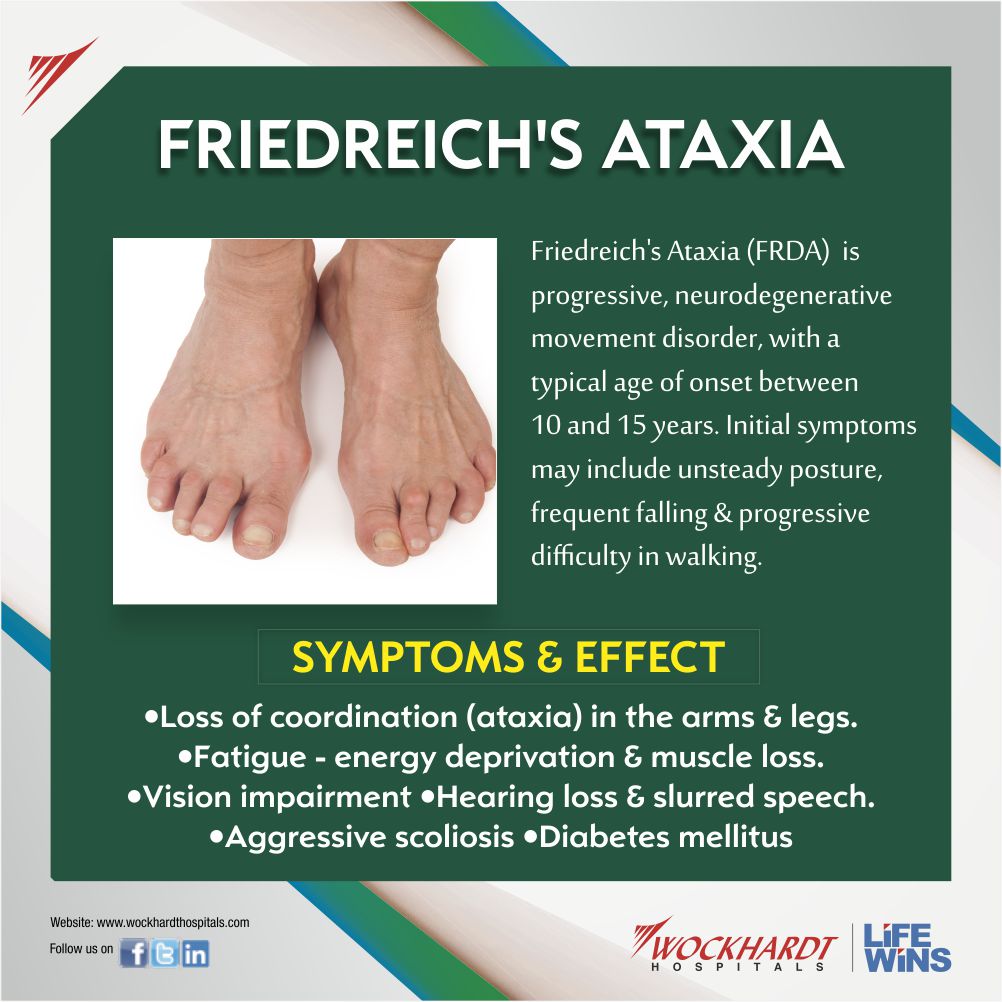
Friedreich’s ataxia is a rare inherited condition that affects coordination, balance, and can involve heart and other systemic complications over time. This progressive nervous system disorder belongs to the group of hereditary ataxias and typically begins in childhood or the teenage years, gradually impacting a person’s ability to move smoothly and maintain posture. Understanding the underlying genetic cause, recognizing the early signs, and exploring current management strategies can help people living with this condition, their families, and caregivers navigate everyday life with greater confidence and support.
What Is Friedreich’s Ataxia and How It Occurs
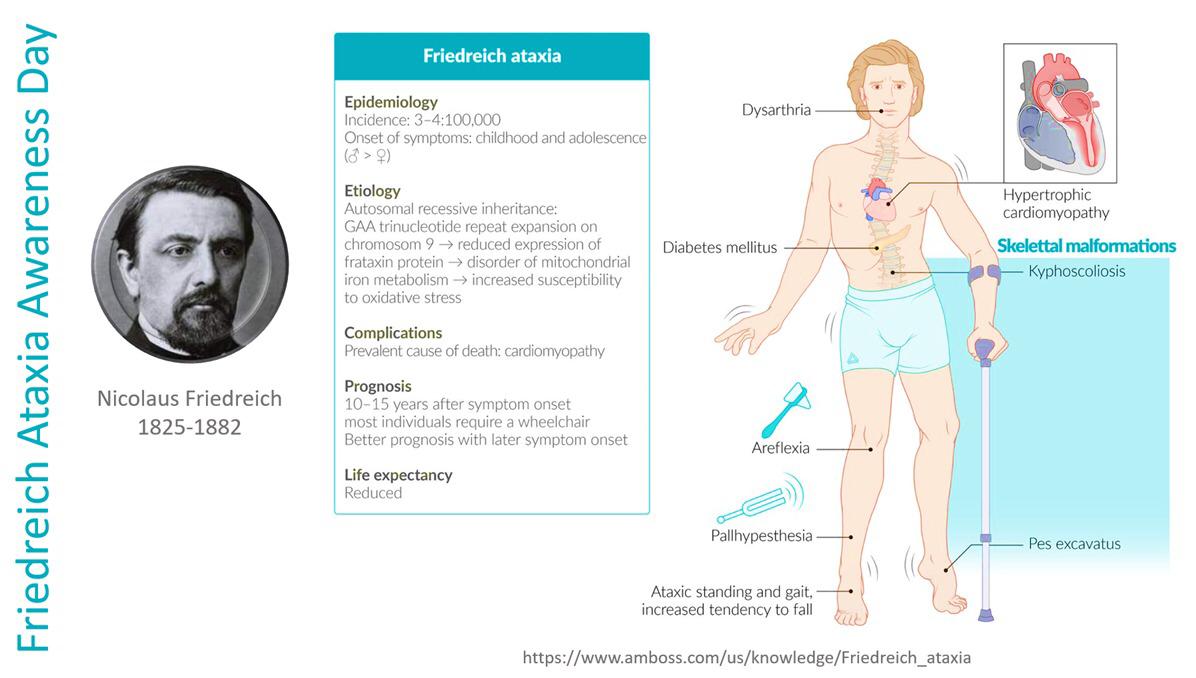
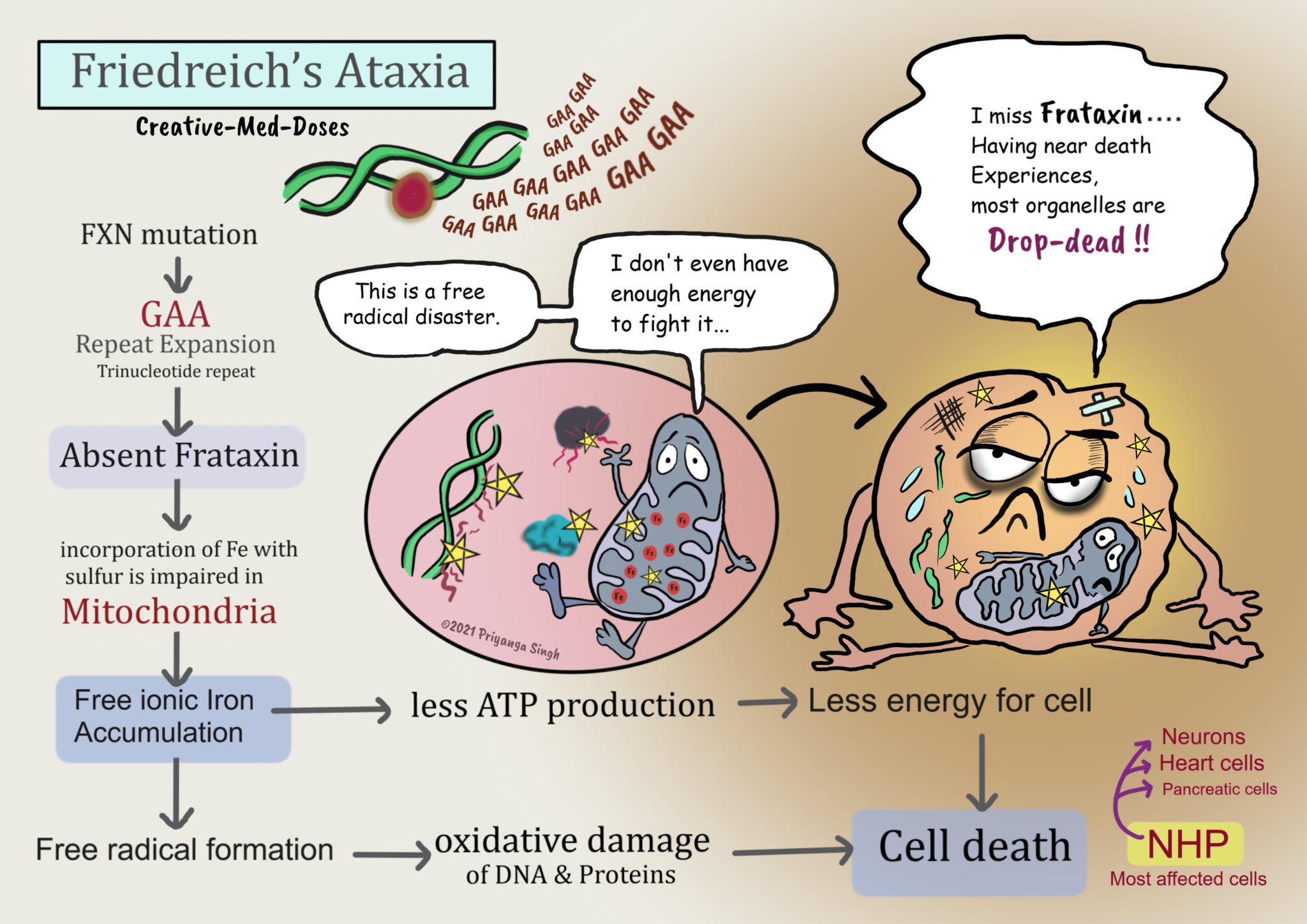
At its core, Friedreich’s ataxia results from a mutation in the FXN gene, which is responsible for producing a protein called frataxin. Frataxin plays a vital role in cellular energy production, particularly within mitochondria, the powerhouses of cells. When this gene is altered, often by an expanded GAA repeat sequence, frataxin levels drop, leading to impaired mitochondrial function, increased oxidative stress, and damage to tissues, especially in the nervous system and heart. This genetic change is inherited in an autosomal recessive pattern, meaning a person must receive two copies of the mutation, one from each parent, to develop the condition.
Because the disease affects the sensory nerves and the cerebellum, which coordinate movement, symptoms often start with balance problems and unsteady gait before advancing to involve limb coordination and speech. The progression varies from person to person, with some experiencing a slower course and others facing more rapid functional decline. Early identification through neurological evaluation and genetic testing can clarify the diagnosis and set the stage for proactive, personalized care plans that address both mobility and systemic health.

Common Symptoms and Early Warning Signs
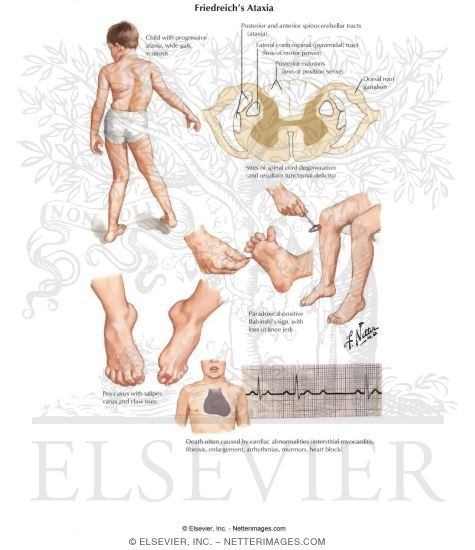
Many of the earliest signs of Friedreich’s ataxia are related to movement and balance, such as frequent stumbling, difficulty walking, and a noticeably unsteady or wide-based gait. Parents or caregivers might observe clumsiness, challenges with tasks that require fine motor skills, or changes in speech clarity. As the condition progresses, individuals may develop muscle weakness, loss of sensation in the legs and arms, and reduced reflexes, alongside potential complications like scoliosis or foot deformities that further affect mobility.
- Difficulty with balance and coordination, especially when walking or standing.
- Slurred or slow speech, known as dysarthria.
- Loss of deep tendon reflexes, such as the knee-jerk reflex.
- Sensory changes, including numbness or tingling in the extremities.
- Structural issues such as scoliosis or pes cavus (high arches).
In addition to these neurological features, some people experience cardiomyopathy, diabetes, or vision and hearing changes as part of the broader impact of the disease. Recognizing these signs early and working with a multidisciplinary team can make a meaningful difference in managing symptoms and maintaining quality of life.
Diagnosis and Genetic Testing Approaches
Diagnosing Friedreich’s ataxia typically begins with a thorough clinical evaluation, including a detailed medical history, neurological examination, and assessment of family history. Doctors look for the characteristic pattern of symptoms, such as progressive ataxia combined with loss of reflexes, and may recommend several tests to confirm the diagnosis. Blood tests, imaging studies like an MRI of the brain and spinal cord, and electrodiagnostic studies such as nerve conduction studies and electromyography help evaluate nerve and muscle function and rule out other conditions.
Genetic testing is the definitive method for confirming Friedreich’s ataxia, as it detects the GAA repeat expansion in the FXN gene. This information not only confirms the diagnosis but also provides valuable insights for family planning and genetic counseling. In some cases, additional cardiac evaluations, glucose tolerance tests, or ophthalmologic assessments are used to monitor related complications and tailor a comprehensive care strategy.
Current Treatment Options and Management Strategies
While there is currently no cure for Friedreich’s ataxia, a range of treatments and supportive therapies can help manage symptoms, improve function, and enhance overall well-being. Physical therapy plays a central role in maintaining mobility, balance, and strength, while occupational therapy can assist with adapting daily activities and recommending assistive devices if needed. Speech therapy may help address speech and swallowing difficulties, and regular cardiovascular monitoring is important due to the risk of heart involvement.
- Physical, occupational, and speech therapy to support movement and communication.
- Regular cardiac check-ups, including echocardiograms and electrocardiograms.
- Monitoring and management of diabetes or glucose intolerance, if present.
- Use of braces, walkers, or other assistive devices to improve stability.
- Participation in clinical trials exploring novel therapies, such as omaveloxolone, which has shown promise in slowing disease progression.
A multidisciplinary approach that involves neurologists, cardiologists, rehabilitation specialists, and genetic counselors ensures that medical, functional, and emotional needs are addressed over time. Personalized planning can empower individuals to maintain as much independence and quality of life as possible.
Living with Friedreich’s Ataxia: Support and Daily Life
Living with Friedreich’s ataxia often requires adjustments at home, school, or work to accommodate changing abilities and maintain safety. Simple modifications, such as removing trip hazards, using mobility aids, and organizing spaces for easier navigation, can reduce fatigue and prevent falls. Emotional and social support is equally important, as the progressive nature of the condition can affect mental health and daily routines. Connecting with patient advocacy groups, support communities, and counseling services can provide practical guidance and a sense of shared experience.
Families and caregivers also benefit from education about the disease, self-care strategies, and available resources that help balance care responsibilities with their own well-being. Open communication with healthcare providers ensures that treatment plans evolve as needs change, allowing for timely interventions and a focus on comfort, dignity, and meaningful participation in everyday activities.
Research, Outlook, and Hope for the Future
Scientific advances continue to deepen our understanding of Friedreich’s ataxia, from the role of frataxin in cellular health to the development of targeted therapies. Ongoing research into gene therapy, protein replacement, and small-molecule drugs holds promise for modifying the course of the disease and improving long-term outcomes. Clinical trials are actively exploring new approaches, and early results, such as those from studies involving omaveloxolone, have generated cautious optimism within the medical community.
For many people with Friedreich’s ataxia, the outlook today is more hopeful than in previous decades, thanks to better monitoring, proactive management, and emerging treatments that may slow progression. While each journey is unique, informed decisions, a strong support network, and continued engagement with healthcare professionals can make a significant difference. By staying connected to reliable information and advocacy resources, individuals and families can move forward with confidence, resilience, and a focus on living well.
Friedreich’s ataxia - causes, symptoms, diagnosis, treatment, pathology
What is Friedreich's ataxia? Friedreich's ataxia is a disorder where there's a buildup of iron that damages various organ systems ...
