G.b.s Guillain Barre Syndrome

Guillain Barré syndrome, often referred to as G.B.S., is a rare neurological condition in which the body’s immune system mistakenly attacks part of its peripheral nervous system.
Understanding What G.B.S. Is and How It Happens
Guillain Barré syndrome is an autoimmune disorder that damages the peripheral nerves, which are responsible for transmitting signals between the brain, spinal cord, and the rest of the body. In G.B.S., the immune system targets the myelin sheath or even the nerve fibers themselves, disrupting communication and leading to weakness, tingling, and sometimes paralysis.
The exact cause of Guillain Barré syndrome is not fully understood, but it often appears after a respiratory or gastrointestinal infection, such as the flu or food poisoning. In some cases, surgery or vaccinations can be associated with the onset of G.B.S., though the risk remains very low compared to the benefits of vaccination. Because the syndrome is not contagious, you cannot catch it from someone who has it.

Recognizing the Common Symptoms of G.B.S.
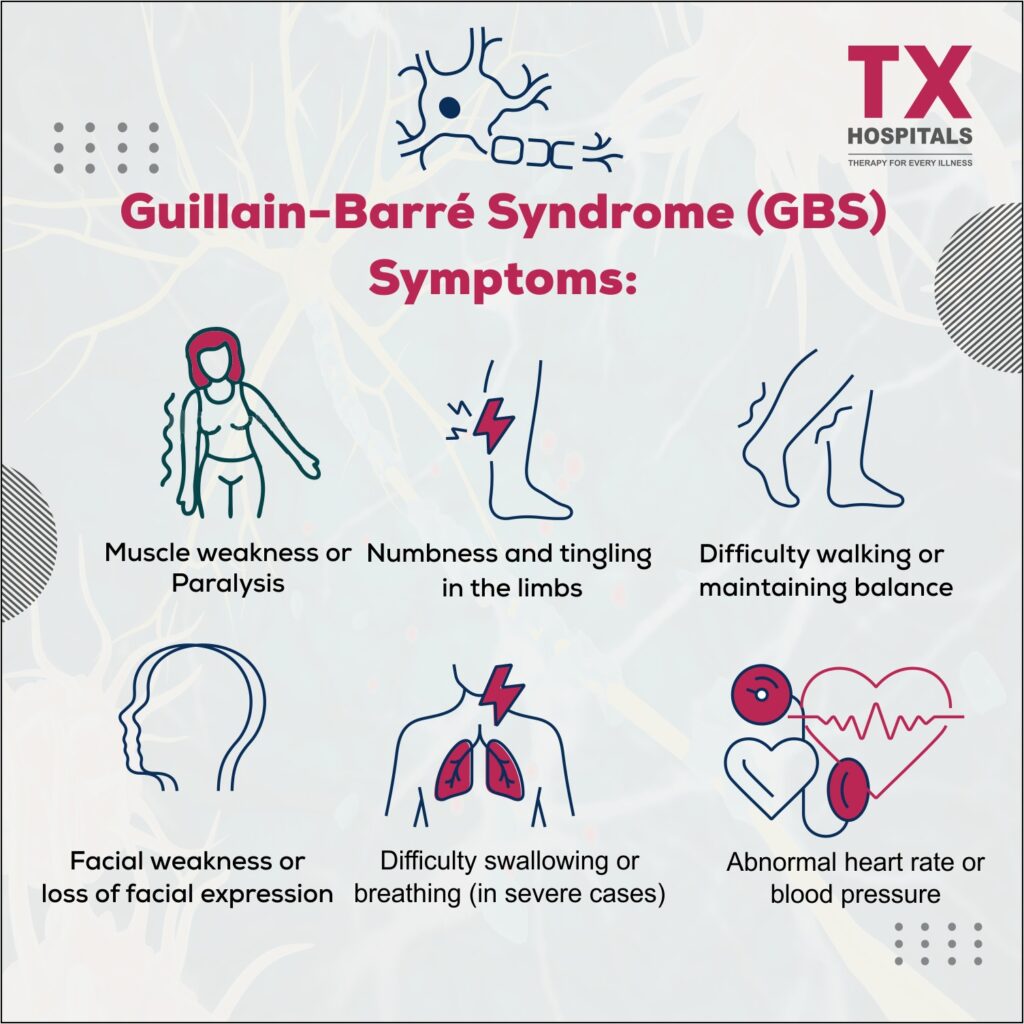
Symptoms of Guillain Barré syndrome usually develop rapidly, over a few hours or days, and often start with weakness and tingling in the legs before spreading to the upper body and arms. As G.B.S. progresses, these sensations can intensify, leading to difficulty walking, performing fine motor tasks, or even moving facial muscles.
- Tingling or pins and needles sensations in the feet and hands
- Muscle weakness that starts in the lower extremities and moves upward
- Difficulty with eye movements, speaking, chewing, or swallowing
- Severe pain, which may feel sharp or cramp-like
- Autonomic dysfunction, such as unstable blood pressure or heart rate
In severe cases, G.B.S. can lead to almost complete paralysis of the limbs and respiratory muscles, requiring mechanical ventilation to support breathing. Because symptoms can escalate quickly, early medical attention is critical for managing complications and improving outcomes.
Diagnosis and Medical Evaluation
Doctors diagnose Guillain Barré syndrome through a combination of clinical evaluation, neurological examination, and specific tests. A lumbar puncture, or spinal tap, may be performed to analyze cerebrospinal fluid for elevated protein levels, which is a common finding in G.B.S. Nerve conduction studies and electromyography help assess the speed and strength of electrical signals in the nerves, supporting the diagnosis of peripheral nerve damage.

Because other neurological conditions can mimic Guillain Barré syndrome, it is important to rule out conditions such as stroke, botulism, or myasthenia gravis. Rapid and accurate diagnosis allows for timely intervention, which can significantly reduce the severity and duration of symptoms associated with G.B.S.
Available Treatment Options and Management
There is currently no cure for Guillain Barré syndrome, but treatments are available to lessen the severity of the illness and shorten recovery time. Two main therapies are commonly used: intravenous immunoglobulin (IVIG) and plasmapheresis (plasma exchange). These treatments help modulate the immune system and reduce the attack on the peripheral nerves.
Supportive care is also a crucial part of managing G.B.S., including pain control, physical therapy to maintain muscle strength, and respiratory support if breathing muscles are affected. In a hospital setting, close monitoring of heart rate, blood pressure, and oxygen levels helps prevent secondary complications during the acute phase of the illness.
Recovery and Long-Term Outlook
Recovery from Guillain Barré syndrome varies widely from person to person. Some individuals may experience mild weakness and return to normal activities within a few weeks, while others may require months or even years of rehabilitation. Most people do recover, but residual effects such as numbness, fatigue, or mild muscle weakness can persist in some cases.
Rehabilitation programs that include physical, occupational, and speech therapy play a vital role in helping patients regain independence. Emotional support and mental health care are also important, as the experience of G.B.S. can be frightening and disruptive. With proper medical care and a strong support network, many people with Guillain Barré syndrome are able to rebuild their lives.
Prevention, Awareness, and Living with G.B.S.
Because the exact cause of Guillain Barré syndrome is still unknown, there are no guaranteed ways to prevent G.B.S. However, maintaining overall health, practicing good hygiene, and staying up to date with vaccinations can help reduce the risk of infections that might trigger the condition. Raising awareness about G.B.S. is essential to ensure that people recognize the warning signs and seek medical help promptly.

Living with Guillain Barré syndrome can be challenging, but many people go on to lead full and active lives. Ongoing research continues to improve our understanding of the condition, leading to better treatments and more personalized approaches to care. If you or someone you know experiences sudden weakness or tingling that spreads quickly, seeking immediate medical attention could make all the difference in the journey toward recovery.
Compreendendo a Síndrome de Guillain-Barré
Este vídeo contém uma explicação sobre a síndrome de Guillain-Barré, com o objetivo de auxiliar estudantes de medicina e ...
