Goodpasture's Disease
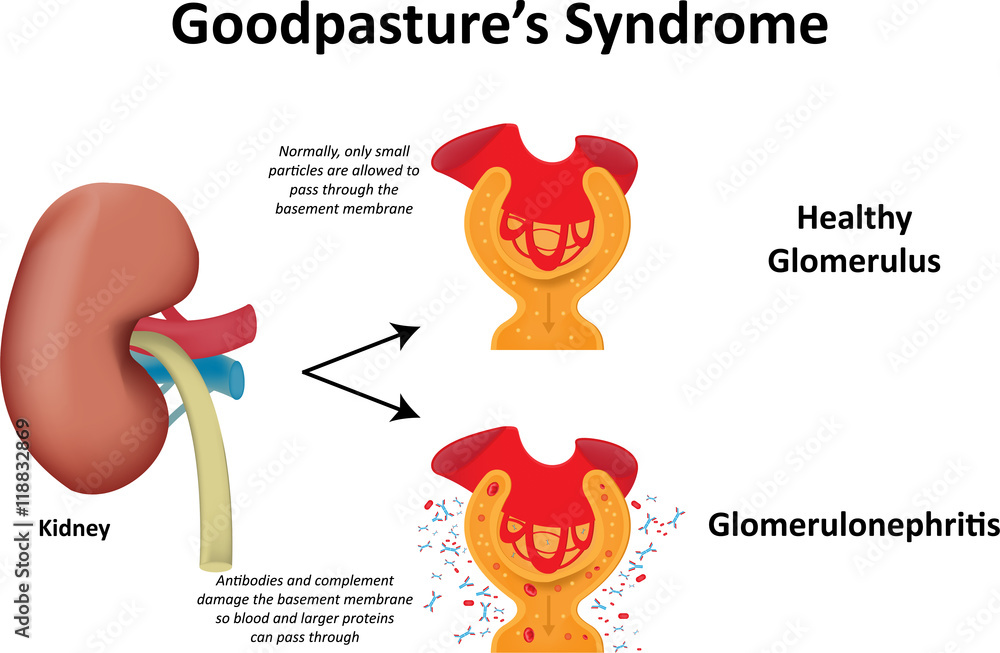
Goodpasture's disease is a rare autoimmune condition in which the body mistakenly attacks its own lungs and kidneys, causing inflammation and bleeding that can quickly become life-threatening if not treated promptly.
Understanding the Basics of Goodpasture's Disease
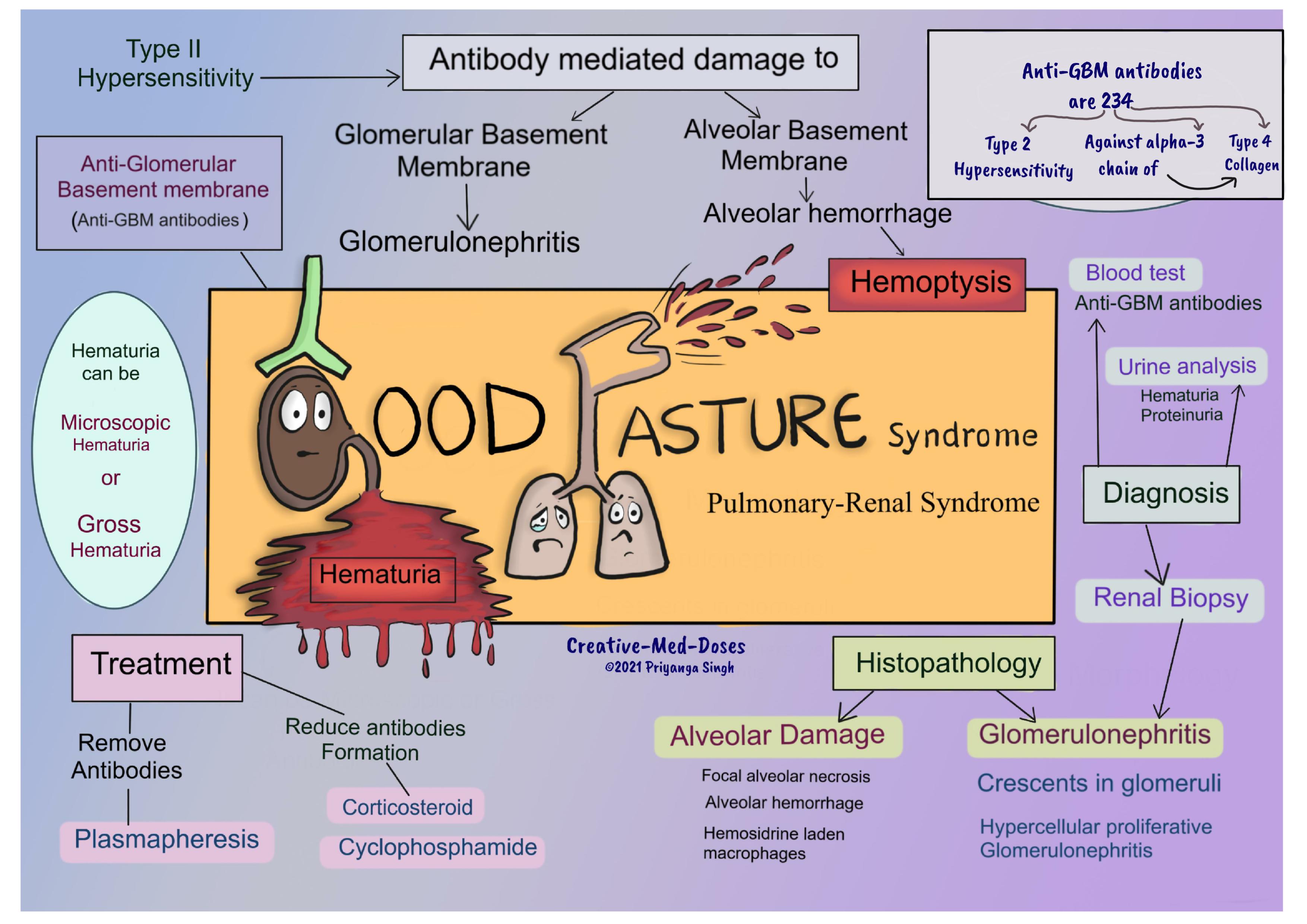
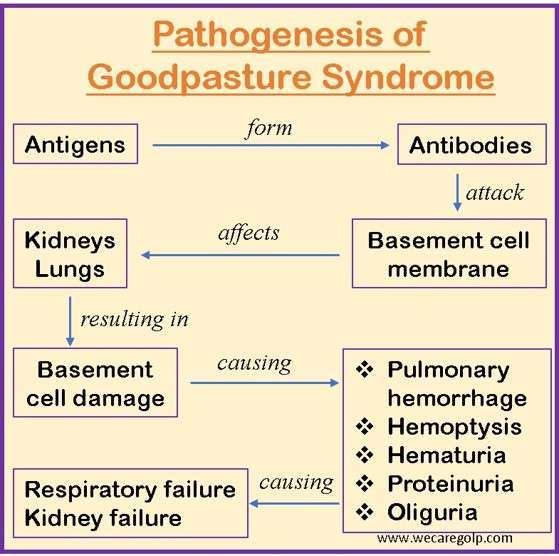
Goodpasture's disease, also known as anti-glomerular basement membrane (anti-GBM) disease, occurs when the immune system produces antibodies that target a specific protein in the basement membranes of the lungs and kidneys. These membranes act like delicate filters and barriers, and when they are attacked, they become inflamed and begin to leak. This can lead to both pulmonary hemorrhage, affecting the lungs, and rapidly progressive glomerulonephritis, which damages the filtering units of the kidneys. The exact trigger for this autoimmune response is often unknown, but it typically affects young to middle-aged adults, with men being more commonly diagnosed than women.
The name of the condition comes from the physician who first described it, but the underlying mechanism is what matters most for patients. Because the disease progresses quickly, early recognition of symptoms is crucial. Initial signs might be vague, such as fatigue or mild respiratory issues, but they can escalate to severe breathing difficulties and kidney failure within days or weeks. Understanding that this is an autoimmune disorder helps explain why treatments focus on suppressing the immune system and removing the harmful antibodies from the bloodstream.
Recognizing the Common Symptoms
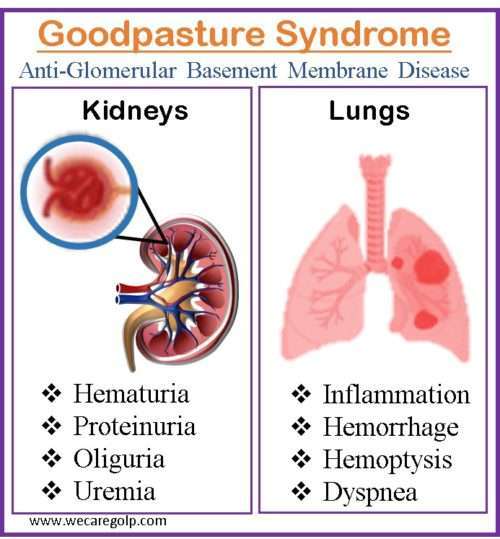
Symptoms of Goodpasture's disease usually appear suddenly and can rapidly worsen. Pulmonary involvement often presents as a persistent cough that may produce blood or blood-tinged sputum, shortness of breath, and chest discomfort. These respiratory symptoms occur because the antibodies are damaging the delicate blood vessels in the lungs, leading to bleeding. Kidney involvement, on the other hand, might manifest as dark urine due to blood, swelling in the legs and ankles, unexplained fatigue, and decreased urine output, signaling that the filters in the kidneys are no longer working properly.
Other general symptoms can include pale skin from anemia, caused by blood loss, and a general feeling of being unwell. Because these signs can overlap with many other conditions, doctors will often perform specific tests to confirm a diagnosis. Key indicators include the presence of anti-GBM antibodies in the blood, abnormal kidney function tests, and signs of bleeding in the lungs. Recognizing this combination of symptoms early can make a significant difference in the effectiveness of treatment and long-term outcomes.
Diagnosis and Medical Testing
Diagnosing Goodpasture's disease requires a combination of clinical evaluation and laboratory tests. Blood tests are used to detect the presence of anti-glomerular basement membrane antibodies, which are a hallmark of the condition. A complete blood count may reveal anemia due to blood loss, while blood chemistry tests can show how well the kidneys are filtering waste. Urine analysis is another critical tool, as it can show red blood cells and protein that indicate kidney damage.

In many cases, a kidney biopsy is necessary to confirm the diagnosis. During this procedure, a small sample of kidney tissue is examined under a microscope, where doctors can see the characteristic antibody deposits along the glomerular basement membrane. Similarly, a lung biopsy might be performed if there is significant respiratory involvement, though this is less common due to the risks. Imaging tests like chest X-rays or CT scans can also help identify bleeding in the lungs and support the clinical picture.
Treatment Options and Management Strategies
Treatment for Goodpasture's disease is urgent and typically involves a combination of approaches to stop the immune attack and remove harmful antibodies. Plasmapheresis, or plasma exchange, is often used to physically remove the antibodies from the blood. Patients also receive high doses of corticosteroids to suppress the immune system and reduce inflammation. In some cases, additional medications like cyclophosphamide or rituximab are used to further dampen the immune response and prevent further damage to the lungs and kidneys.
Supportive care is equally important during treatment. Patients may need oxygen therapy to help with breathing, medications to control blood pressure, and dialysis if kidney function is severely impaired. The goal of treatment is to halt the progression of the disease and allow the organs to heal. While recovery can be possible, especially with early intervention, some patients may develop chronic kidney disease and require long-term management or eventual dialysis or transplantation.
Prognosis and Long-Term Outlook
The prognosis for Goodpasture's disease varies depending on how quickly treatment is started and the extent of organ damage at diagnosis. Patients who receive prompt medical care have a better chance of recovery, but the disease can still cause permanent harm. Some individuals may experience a relapse of symptoms, even after successful initial treatment, which requires ongoing monitoring and management. Regular follow-up appointments, including blood and urine tests, are essential to detect any signs of recurrence or chronic kidney issues.
Living with a history of Goodpasture's disease means paying close attention to overall health and avoiding infections that could trigger a flare-up. Immunizations may be recommended, but live vaccines are usually avoided due to the immunosuppressive medications. Working closely with a nephrologist and sometimes a pulmonologist ensures that any changes in lung or kidney function are addressed quickly. With careful management, many people are able to lead relatively normal lives, though they must remain vigilant about their health.
Prevention and Risk Awareness
There are no known ways to prevent Goodpasture's disease, as the exact cause of the autoimmune reaction remains unclear. However, being aware of the risk factors and early symptoms can lead to earlier diagnosis and better outcomes. The condition is more common in certain populations, including young men and individuals with specific genetic markers, though it can occur in anyone. Avoiding smoking and maintaining good overall health may support the body’s resilience, but these steps are not proven to prevent the disease itself.
For those who have experienced the disease, participation in support groups or educational programs can provide valuable information and emotional support. Understanding the importance of adhering to treatment plans and attending regular medical check-ups helps reduce the risk of long-term complications. By staying informed and proactive, patients and their families can navigate the challenges of Goodpasture's disease with greater confidence and control.
Goodpasture Syndrome | Anti-Glomerular Basement Membrane (Anti-GBM) Antibody Disease | Nephrology
Goodpasture Syndrome | Anti-Glomerular Basement Membrane (Anti-GBM) Antibody Disease | Nephrology. ِAutoantibodies ...
