How To Choose A Chair For A Home Office
Choosing the right chair for a home office is the foundation of a comfortable, healthy, and productive workspace, especially when you spend long hours at your desk.
Define Your Needs and Daily Work Habits
Before you start browsing models, take a moment to understand how you actually work from home. Are you logging in for a few focused hours or staying glued to your screen all day? The duration of your sessions will heavily dictate the level of support and comfort you require. If your work involves long video calls or deep concentration, you will likely prioritize different features than someone who only needs a spot for short tasks.
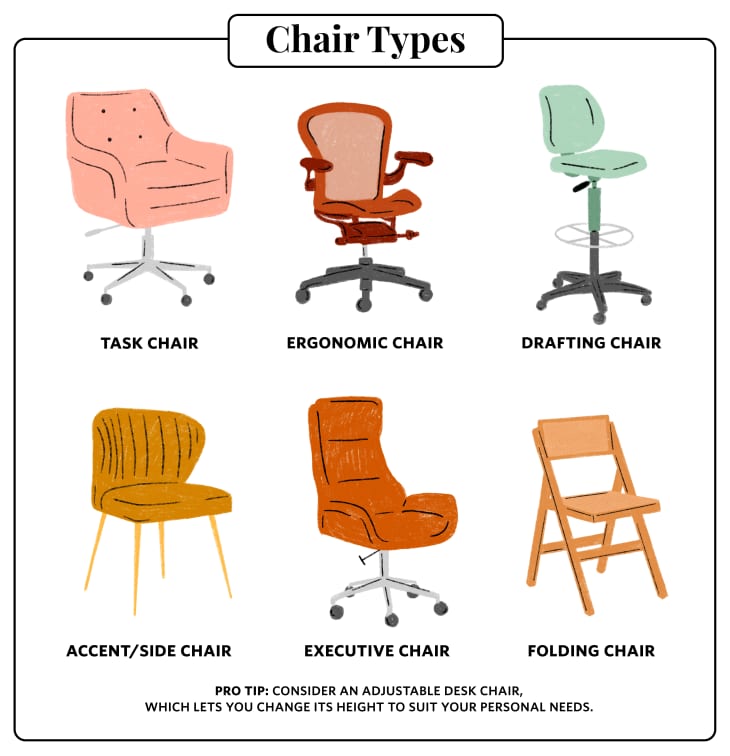
Consider the type of tasks you perform. Do you need to switch between typing, reading paper documents, and sketching? Think about whether you value mobility, such as easily rolling between your desk and a printer, or if you prefer a stable, rooted workstation. Understanding these dynamics helps you narrow down essential features like adjustability, mobility, and seat depth.
Here are key questions to ask yourself to define your needs:
- How many hours per day do I typically spend sitting?
- Do I frequently change positions or lean back while thinking?
- Will I be sitting for long typing sessions or more for meetings and reading?
Prioritize Ergonomic Support for Long-Term Health
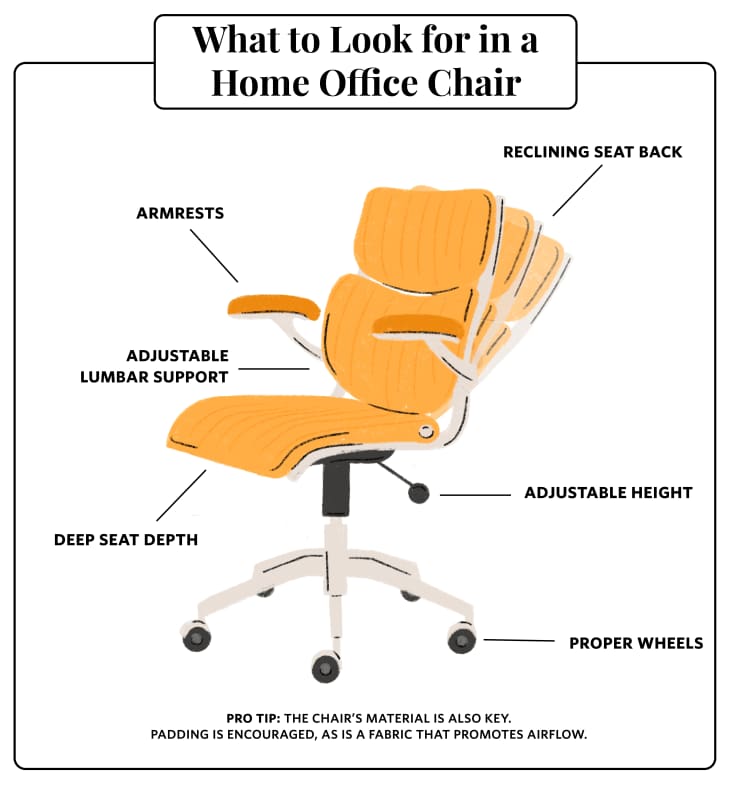
Ergonomics is not just a buzzword; it is the science of fitting your workspace to your body to prevent strain and injury. A good chair supports your natural posture, reducing pressure on your spine, neck, and shoulders. Without proper lumbar support, you risk developing back pain, which can quickly turn a home office into a source of constant discomfort.
Look for a chair that offers multiple points of adjustment to tailor the fit to your unique body. The goal is to keep your feet flat on the floor, your knees at a 90-degree angle, and your screen at eye level. This alignment is crucial for maintaining comfort during extended work sessions and protecting your physical health over time.
Focus on these specific ergonomic features when evaluating options:
- Lumbar Support: Ensure the chair has a distinct curve that supports the inward arch of your lower back.
- Adjustable Armrests: They should allow your arms to rest gently without hunching your shoulders.
- Seat Height: You should easily adjust the height so your feet are flat on the floor or a footrest.
Evaluate Comfort and Seat Design
Comfort is highly subjective, but there are universal design elements that contribute to a supportive seat. The seat pan—the part you actually sit on—should be wide and deep enough to accommodate your posture, whether you sit forward or lean back. A seat that is too small can cause pressure on your legs, while one that is too deep can cut off circulation behind your knees.
The material of the seat and backrest also plays a significant role in long-term comfort. Breathable fabrics help regulate temperature and prevent sweating during intense focus sessions, while high-quality padding provides the necessary support without breaking down over time. You want a balance between softness and structure; you should feel supported, not swallowed by the cushion.
Consider these comfort factors:
- Does the seat have enough cushioning to support your sit bones?
- Is the fabric or leather breathable and easy to clean?
- Does the backrest allow you to recline without losing support?
Assess Build Quality and Stability
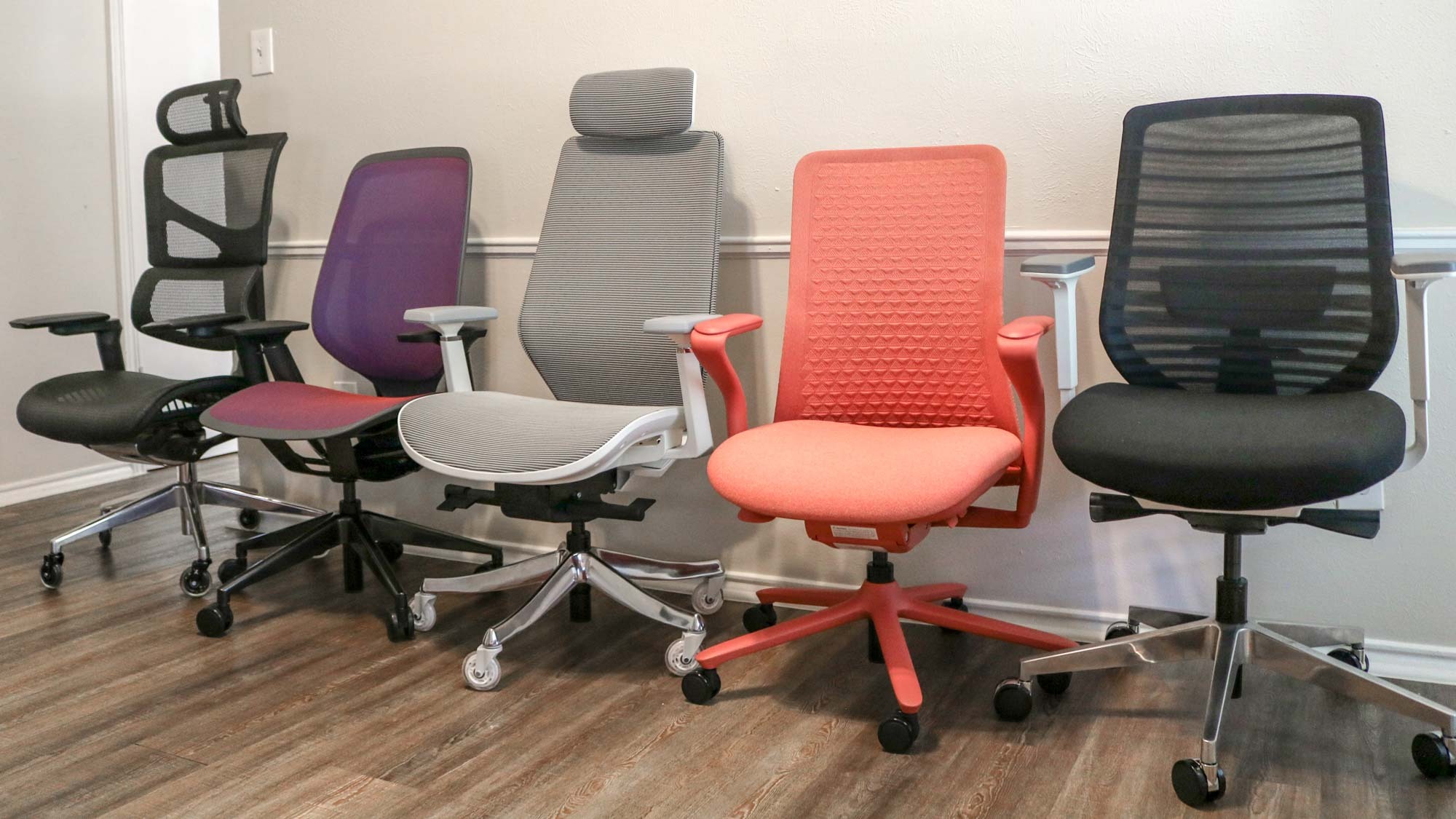
A chair is a long-term investment in your health, so durability matters. A flimsy frame or wobbly base can lead to instability and safety hazards, especially if you move around frequently. Look for a sturdy base, usually made of metal or reinforced plastic, that provides a wide footprint to prevent tipping.
The mechanism, the part that allows you to lean back and controls the tension, is the heart of the chair. A high-quality gas lift and tilt mechanism will feel smooth and secure, allowing you to lock the chair at any angle without fear of sudden collapse. Testing the recline and resistance can give you a good sense of the build quality before committing.
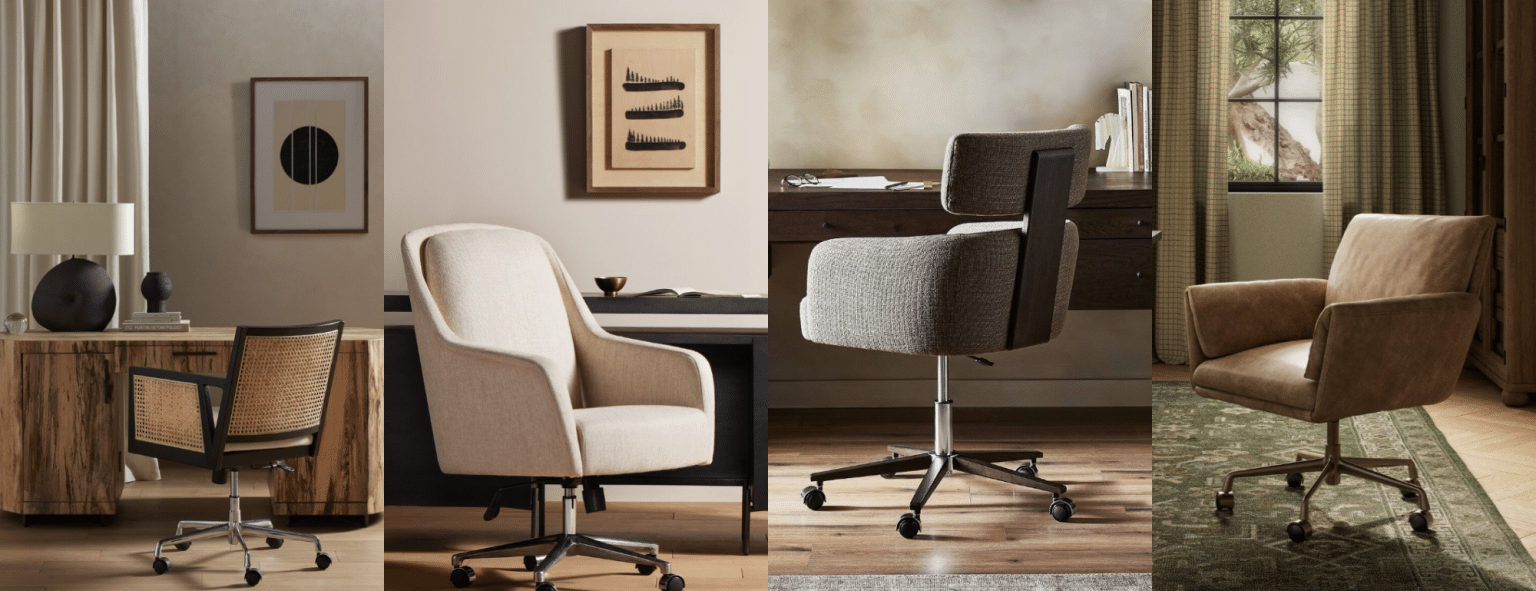
When inspecting a chair, check for the following signs of quality:
- Weight and material of the base: Heavy, five-star bases are generally more stable.
- Type of casters: Hard casters are for hard floors, while soft casters protect carpets.
- Warranty length: A longer warranty often indicates confidence in the product's longevity.
Match Aesthetics to Your Space
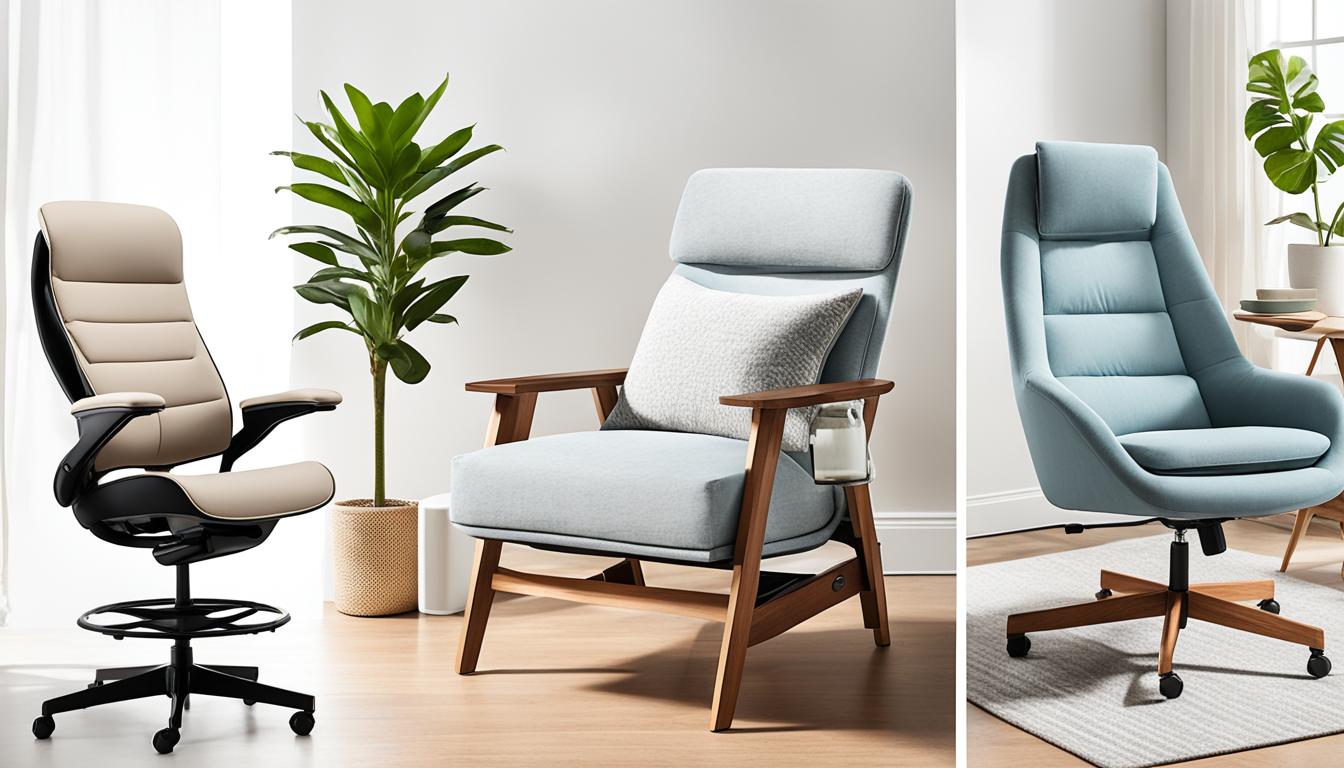
While function is paramount, the visual impact of your chair should not be ignored. Your home office is a reflection of your personal style, and the chair should complement the overall aesthetic. A sleek, modern chair can create a clean, professional look, while a wooden or designer piece can add warmth and character to the room.
Consider the color and finish of the chair in relation to your desk, walls, and other furniture. A neutral color like black, gray, or beige offers versatility and timeless appeal, making it easier to update other decor elements later. If you want the chair to be a statement piece, you can opt for a bold color or unique design, provided it still meets your ergonomic needs.

Keep these style points in mind:
- Does the chair fit the scale of your desk and room?
- Does the color blend with or contrast your existing palette in a pleasing way?
- Does the overall design reflect your personal taste and work vibe?
Test the Chair Before You Commit
No matter how impressive the specifications or beautiful the design, the only way to truly know if a chair is right for you is to try it out. Sitting in a chair for a few minutes in a store is different from using it for an eight-hour workday, so try to test it for as long as possible. Pay attention to how your body feels immediately after and after a short walk around.
If buying online, research the return policy thoroughly. Reputable sellers often offer generous trial periods that allow you to live with the chair for weeks. Read reviews from other buyers to see how the chair holds up after months of use. Remember, the perfect chair is the one that supports your body and helps you focus, making your home office a place of productivity and well-being.
Buying An Office Chair: 9 Things to Consider
10% OFF SPRING INTO SAVINGS SALE on Steelcase Chairs & MORE* Ends 3/30! https://www.btod.com/refurbished/ *Have ...
