How To Conduct A Sales Meeting
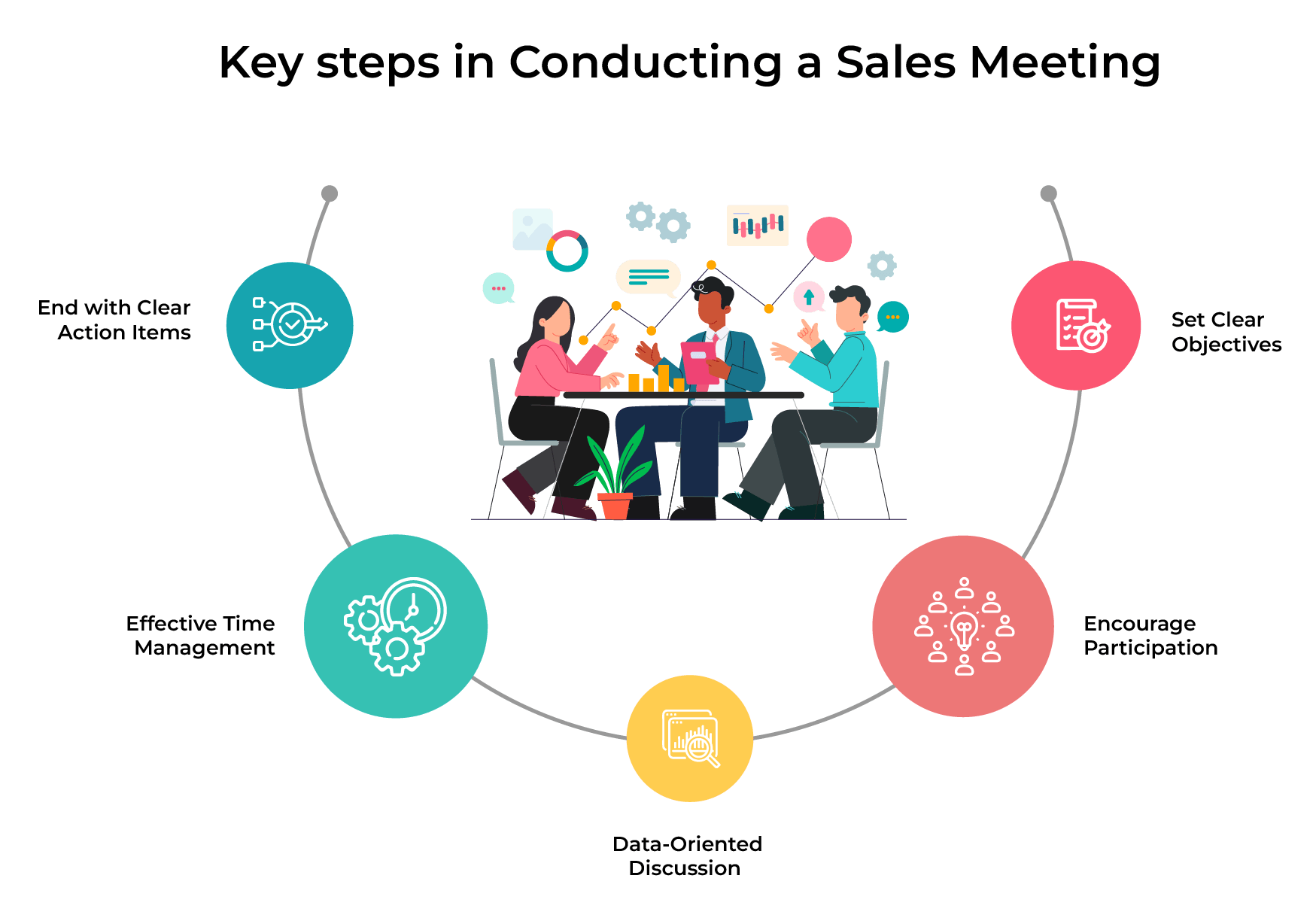
Running an effective sales meeting is one of the most powerful ways to align your team, review performance, and drive revenue growth. When done well, these sessions transform from status reports into strategic workshops that equip reps with clear next steps and renewed motivation. The foundation of success lies in treating the meeting as a focused business conversation rather than a routine obligation.
Define a Clear Objective and Agenda
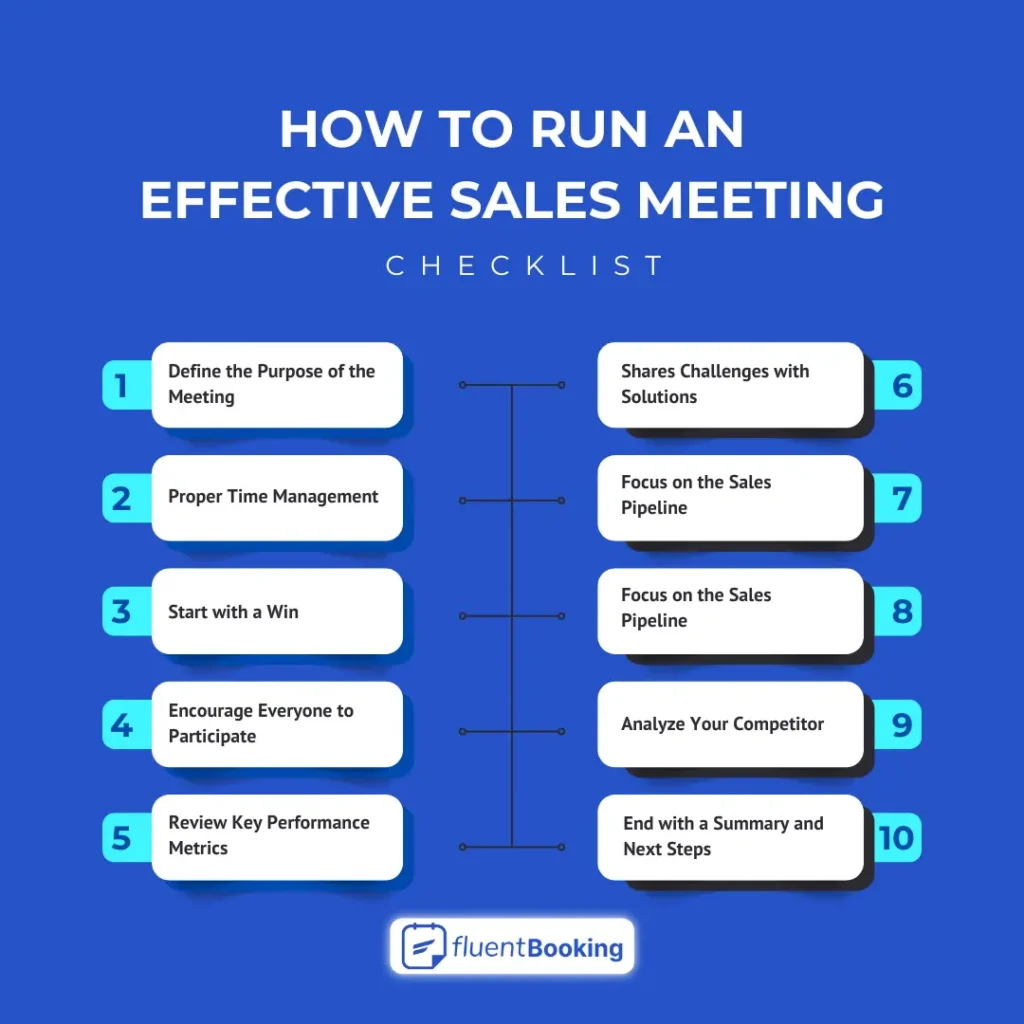
Before you even open the calendar invite, clarify the single primary goal of the session. Are you coaching struggling reps, launching a new product, analyzing pipeline risks, or celebrating wins? A crisp objective keeps the discussion targeted and ensures every participant understands the "why" behind the meeting. Pair this objective with a concise agenda that outlines topics, timeboxes, and the desired outcome for each section.
Share the agenda at least 24 hours in advance so reps can review their own numbers, prepare questions, and come ready to contribute. Include who will lead each item, whether it is the manager, a senior rep, or a cross-functional partner like marketing or finance. When the team sees a structured plan, they view the sales meeting as a professional forum for growth rather than a surprise interrogation, which strengthens engagement and accountability.

Prepare Data and Context
Numbers alone rarely tell the full story, so pair quantitative data with qualitative context. Pull key metrics such as pipeline coverage, win rate, average deal size, and activity counts, then highlight significant changes or outliers. For each metric, add a brief narrative that explains what happened and why it matters to the team’s overall targets. This combination of data and insight turns the sales meeting into a fact-based diagnostic session instead of a guessing game.
Visuals help reps quickly grasp patterns and focus on the right opportunities. Use simple charts to show pipeline stages, forecast versus actuals, and week-over-week trends. If certain deals are stalled, briefly walk through the buyer’s journey to uncover blockers and next actions. By grounding the discussion in prepared materials, you reduce rambling, keep time, and ensure that problem-solving happens in the room rather than in side conversations afterward.
Structure the Conversation
A well-structured sales meeting flows from review to insight to action. Start with a quick round of wins and learnings to celebrate progress and surface best practices. Move into a deeper review of pipeline and forecast, focusing on a few priority deals that will move the needle. Reserve the majority of time for collaborative problem-solving, where the team debates strategies, challenges assumptions, and commits to concrete next steps.
![7 Tips For More Effective Sales Meetings [INFOGRAPHIC] - InsideSales](https://www.insidesales.com/wp-content/uploads/2021/01/20190314-Inside-Sales-7-Steps-For-More-Effective-Meetings.jpg)
- Begin with wins and key metrics to set a positive tone.
- Dive into pipeline health, highlighting at-risk opportunities and successful patterns.
- Dedicate time to coaching and blockers, pairing experienced reps with newer team members.
- Close with clear action items, owners, and deadlines so everyone leaves with a path forward.
Keep the energy high by varying formats between brief presentations, open discussions, and role-plays. If a topic requires deeper analysis, schedule a follow-up micro-session rather than dragging the group through details that only a few people need. This respect for time reinforces the value of the meeting and encourages consistent attendance.
Engage and Coach in Real Time
Your role as a leader during the sales meeting is to facilitate, not to dominate. Ask open-ended questions that prompt reps to think aloud about their strategy, such as what they plan to say next, which stakeholder they have not yet contacted, or what additional resource would help them close. This technique turns the session into a coaching lab where critical thinking is modeled and reinforced.
When appropriate, invite a peer to role-play a tough objection or a discovery call in front of the group. Provide specific, behavior-based feedback that highlights what worked and suggests a small adjustment for next time. Public recognition of thoughtful approaches or improved metrics reinforces desired behaviors and shows that progress is noticed and valued across the team.

Follow Up and Iterate
The true impact of a sales meeting is measured after the room clears. Send a brief recap within a few hours that captures decisions, owners, and deadlines, and link it to any shared dashboard or tracker. Encourage reps to update their opportunities and note any new insights so the pipeline stays accurate and trustworthy. This follow-up loop turns conversation into accountability and ensures that momentum from the meeting does not dissipate by the next day.
Over time, solicit feedback from the team about the format, length, and usefulness of each sales meeting. Experiment with different segments, time slots, and deep-dive topics, then measure the effect on engagement and results. A meeting rhythm that evolves with the team’s needs becomes a cornerstone of a high-performing, transparent, and continuously improving sales culture.
When you consistently run purposeful, data-informed, and engaging sales meetings, you create a rhythm that aligns the team around shared goals and builds a stronger pipeline. The result is not just better quarterly numbers, but a motivated, coached, and connected group of professionals who know exactly how to move deals forward. Treat every session as an opportunity to refine strategy, remove obstacles, and celebrate progress, and your sales meetings will become a key driver of sustainable growth.
How to Start a Sales Meeting
Follow Me Online: LINKEDIN: https://www.linkedin.com/in/neosage/ TWITTER: https://twitter.com/theneosage FACEBOOK: ...
