How To Create A Functional Home Office

Creating a functional home office starts with understanding how you work and designing a space that supports your daily tasks, focus, and well-being. A well planned home office blends practical layout, comfortable ergonomics, smart storage, and a calm atmosphere so that you can move efficiently from one task to the next without distraction or physical strain. Whether you are working full time from home, running a small business, or simply need a dedicated corner for focused work, the goal is to build an environment that helps you stay organized, productive, and healthy.
Choose the Right Location and Set Clear Boundaries
The first step to a functional home office is choosing where it will live in your home. Look for a spot that naturally separates work from relaxation, such as a spare bedroom, a section of a larger room, or a quiet hallway nook. If you live with others, communicate your work schedule and set clear boundaries so that your space is respected during focused hours. Even a small defined area, marked with a room divider or a distinct desk placement, helps your brain recognize when you are "at work" and when you are off the clock.
Consider light, noise, and foot traffic when selecting your location. A spot near a window with gentle, indirect light can boost mood and energy, while a quiet corner away from high traffic paths reduces interruptions. If noise is unavoidable, explore simple fixes like a solid door, thick curtains, or a small white noise machine. The more intentional you are about location, the easier it becomes to maintain focus and signal professionalism during video calls.
Use Zones to Organize Different Tasks
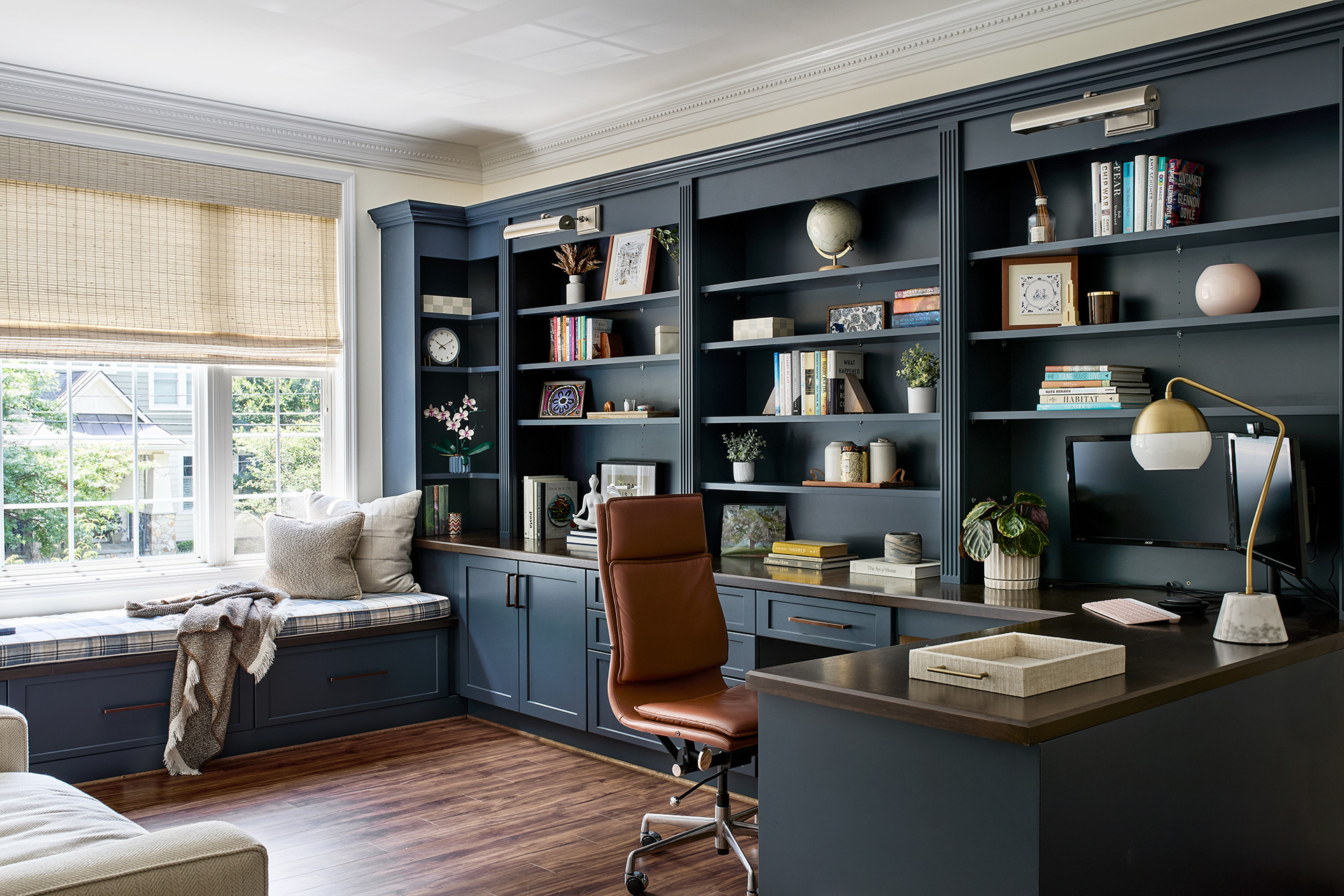
Divide your home office into clear zones so that each area supports a specific activity. A primary work zone might center on your desk and main monitor, while a secondary zone could hold reference materials, a small meeting space, or a charging station. Using rugs, shelves, or even different lighting for each zone helps your eyes and mind quickly understand where each task belongs, reducing clutter and decision fatigue.
- Work surface zone for writing, typing, and using dual monitors.
- Reference zone for books, notebooks, and frequently used tools.
- Storage zone for files, supplies, and backup equipment.
- Break or transition zone where you can step away briefly without leaving the room.
Prioritize Ergonomics and Comfort
Comfortable, ergonomic design is essential for a functional home office because it directly affects your focus, energy, and long term health. Choose a chair that supports your lower back, allows your feet to rest flat on the floor, and lets you adjust the height so your thighs are roughly level. Pair it with a desk at the right height, or consider a height adjustable desk so you can alternate between sitting and standing throughout the day.
Position your screen at eye level and about an arm's length away to reduce neck and eye strain, and place your keyboard and mouse so your arms stay relaxed and close to your body. Add simple accessories like a footrest, a small wrist pad, and good lighting to complete a setup that protects your posture and keeps you comfortable during long work sessions.
:strip_icc()/whitneyparkinsondesignchichomeoffice-ae3dcd65dccb441e93fca422243d58eb.jpg)
Arrange Tools for Easy Access
A functional office keeps everyday tools within easy reach so you do not waste time searching or stretching. Keep frequently used items like pens, chargers, and notepads in a dedicated tray or drawer right next to your dominant hand. Use monitor stands or arms to create extra surface space beneath the screen for a keyboard, mouse, or reference notes without crowding your workspace.
Cable management is another key detail that reduces visual clutter and prevents tripping or unplugging issues. Use cable clips, sleeves, or simple boxes to route cords neatly along the back of the desk. When every tool has a predictable home, your environment feels calmer, and you can move through your workday with fewer interruptions.
Optimize Lighting, Air, and Acoustics
Good lighting makes a dramatic difference in how long you can focus and how comfortable your eyes feel. Combine natural light from a window with adjustable task lighting, such as a lamp with a directional arm, so you can brighten specific areas without washing out your screen. If glare is an issue, reposition your desk slightly or add a simple screen filter to improve contrast and clarity.

Air quality and temperature also shape your ability to concentrate. Keep the room well ventilated with periodic fresh air, and consider a small fan or heater to maintain a comfortable temperature. For noisy homes, add soft furnishings like a rug, curtains, or a felt board behind your desk to absorb sound. These subtle adjustments create a more balanced atmosphere where your mind can stay in a productive flow.
Organize Storage and Keep Surfaces Clear
Clutter quickly undermines a functional home office, so invest in storage solutions that match your workflow and habits. Use a mix of open shelves, drawers, and containers to separate active items from archived materials, and label boxes so you can find what you need without opening everything. Wall mounted shelves, under desk organizers, and vertical file holders can maximize space in even the smallest offices.
Make a habit of clearing your desk at the end of each day, returning tools to their designated spots, and filing loose papers into labeled folders. A simple checklist for nightly reset, including charging devices, stacking loose notes, and wiping down surfaces, keeps your space ready for a smooth start the next morning. Over time, these small routines turn organization into a sustainable habit.

Personalize for Motivation and Focus
A functional home office does not have to feel sterile; thoughtful personalization can boost motivation and make the space feel genuinely inviting. Add a few meaningful items, such as a favorite plant, a piece of art, or a short inspiring quote, while keeping the overall look calm and focused. Choose a color palette that supports your energy, like soft neutrals with one or two accent tones that spark creativity.
Consider small rituals that signal the start and end of your workday, such as opening the window for fresh air, playing a short playlist, or lighting a candle at the beginning of focused time. These cues help your brain shift into the right mindset, making it easier to concentrate deeply and then fully disconnect when you step away from your desk.
In the end, a functional home office is less about expensive equipment and more about designing a space that fits your real life, supports your health, and makes focused work feel natural. By choosing the right location, prioritizing ergonomics, organizing tools and storage, fine tuning lighting and acoustics, and adding personal touches that inspire you, you create an environment where productivity and well being work together. Start with small, practical changes, refine them over time, and you will build a home office that helps you work better and feel better every day.
DICAS DE DESIGN! 5 Coisas que Todo Home Office Precisa
Dicas de Design! 5 Coisas que Todo Home Office Precisa Inscreva-se para mais dicas de design de interiores: YouTube.com ...
