How To Design A Functional Kitchen
:strip_icc()/181218_YaleAve_0175-7e1927ada86f4ca6ab92d269f3bf0196.jpg)
Designing a functional kitchen begins with understanding how you actually live and cook in the space every day. A truly functional layout anticipates your routines, reduces unnecessary steps, and turns everyday tasks into smooth, even enjoyable experiences. Whether you are remodeling a compact galley or rethinking a sprawling layout, the goal is to create a kitchen that supports efficiency, comfort, and long term usability.
Clarify Your Daily Workflow and Priorities
The first step in how to design a functional kitchen is to map out your real world cooking habits instead of copying a magazine layout. Think about the sequence you follow when preparing a meal, from storage to prep, cooking, plating, and cleanup. Ask yourself which tasks you do most often and which tools or ingredients you reach for multiple times a day. This habit based analysis helps you position key zones where they are most convenient, so your kitchen works with your life rather than against it.
When you clarify priorities, you can decide where to invest in higher quality materials or extra storage and where simpler solutions are perfectly adequate. For many people, the most important goals are an open workspace for multitasking, safe zones for children or pets, and surfaces that are easy to wipe down after cooking. Write down your top three non negotiables, such as ample counter space, a large sink, or generous pantry storage, and use them as a compass during layout and product decisions.

Choose a Layout That Supports Efficiency
One of the most important aspects of how to design a functional kitchen is selecting a layout that minimizes walking and keeps related tasks close together. The classic work triangle, connecting the refrigerator, sink, and cooktop, remains a useful guideline, but modern life often benefits from expanded zones for baking, small appliance use, or casual dining. Consider a galley layout for tight spaces, a U shaped layout for maximum storage and counter, or an open plan that integrates the kitchen with living and dining areas.
- Galley kitchens work well in narrow spaces, creating a clear workflow with traffic on one side.
- L shaped kitchens fit neatly into corners while keeping the work triangle compact.
- U shaped layouts offer generous storage and two full work zones for serious home cooks.
Whichever layout you choose, aim for clear sight lines and logical zoning so that each area has a dedicated purpose. If multiple people cook at the same time, plan for dual work zones and extra seating so the kitchen remains functional without feeling crowded.
Optimize Storage and Organization Systems
Smart storage is at the heart of how to design a functional kitchen, because it keeps tools and ingredients within reach while maintaining a calm, uncluttered appearance. Use a mix of deep drawers, pull out shelves, tall cabinets, and open shelving to accommodate items of different sizes and access needs. Frequently used items should live in easy reach, while seldom used equipment can be stored higher, lower, or toward the back of cabinets.
.jpg)
Consider investing in pull out pantries, lazy Susans, and vertical dividers for baking sheets and cutting boards, which dramatically reduce the time spent searching for items. Drawer organizers, labeled bins, and stackable containers help smaller tools stay visible and accessible. If your layout allows, a dedicated zone for everyday dishes near the dishwasher and a nearby drying rack can streamline the transition from cleaning to putting things away.
Design for Comfort and Accessibility
Functionality in a kitchen is not just about speed; it is also about comfort, safety, and long term accessibility. Pay attention to working heights, ensuring that counters, cooktops, and sinks suit the primary users, and consider adjustable elements where possible. For example, a slightly lower counter area can be helpful for tasks that require more leverage, while higher sections may work better for quick assembly or serving.
- Use task lighting over prep areas and under upper cabinets to reduce eye strain.
- Choose materials that are durable, heat resistant, and simple to clean.
- Incorporate safety features like rounded corners, stable step stools, and non slip flooring.
Planning for different users, from children to older adults, can make your kitchen more inclusive and future proof. Wider walkways, knee space under counters for seated tasks, and thoughtful placement of heavy appliances all contribute to a kitchen that feels welcoming and easy to use for everyone.
Balance Aesthetics with Practical Details
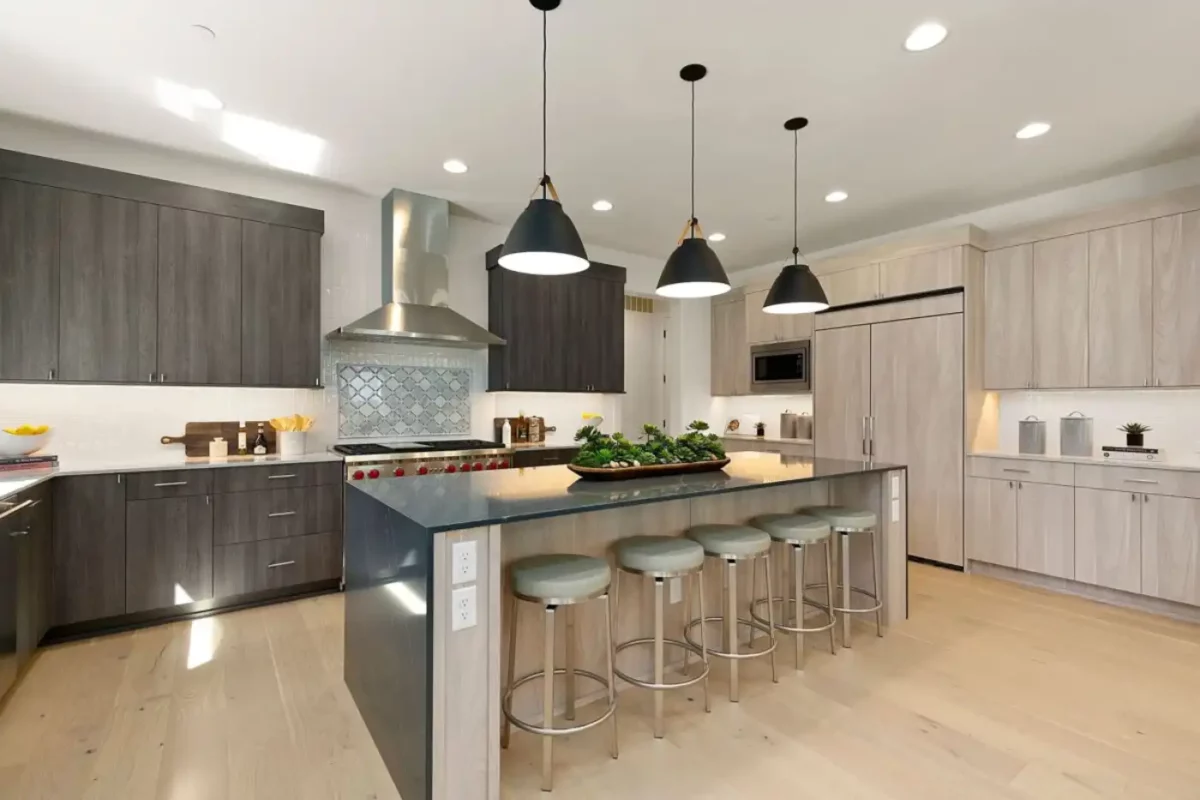
While function drives how to design a functional kitchen, thoughtful aesthetics help the space feel inviting and reflective of your personal style. Choose a color palette, materials, and finishes that you love, but anchor them in practical considerations such as scratch resistant surfaces and easy maintenance. Handle and hardware selection, from sleek bars to minimalist knobs, affects both the look and the daily experience of opening drawers and cabinets.
Backsplash, flooring, and window treatments should complement the overall design while standing up to steam, splashes, and regular cleaning. Integrating small appliances and everyday décor into the layout, rather than treating them as afterthoughts, keeps counters clear and supports a streamlined workflow. By aligning beauty with usability, you create a kitchen that looks great without sacrificing performance.
Plan for Flexibility and Future Needs
A kitchen that remains functional over time is designed with some flexibility in mind, anticipating changes in family size, cooking habits, or technology.预留一些空余空间或可调节的组件,例如可移动的岛台、模块化储物解决方案,或预留未来电器的电源插座位置,这样可以让你的厨房在多年后仍然保持高效。考虑预留一个开放式台面区域,用于临时办公、孩子做作业或家庭互动,让厨房成为家中更广泛的生活中心。
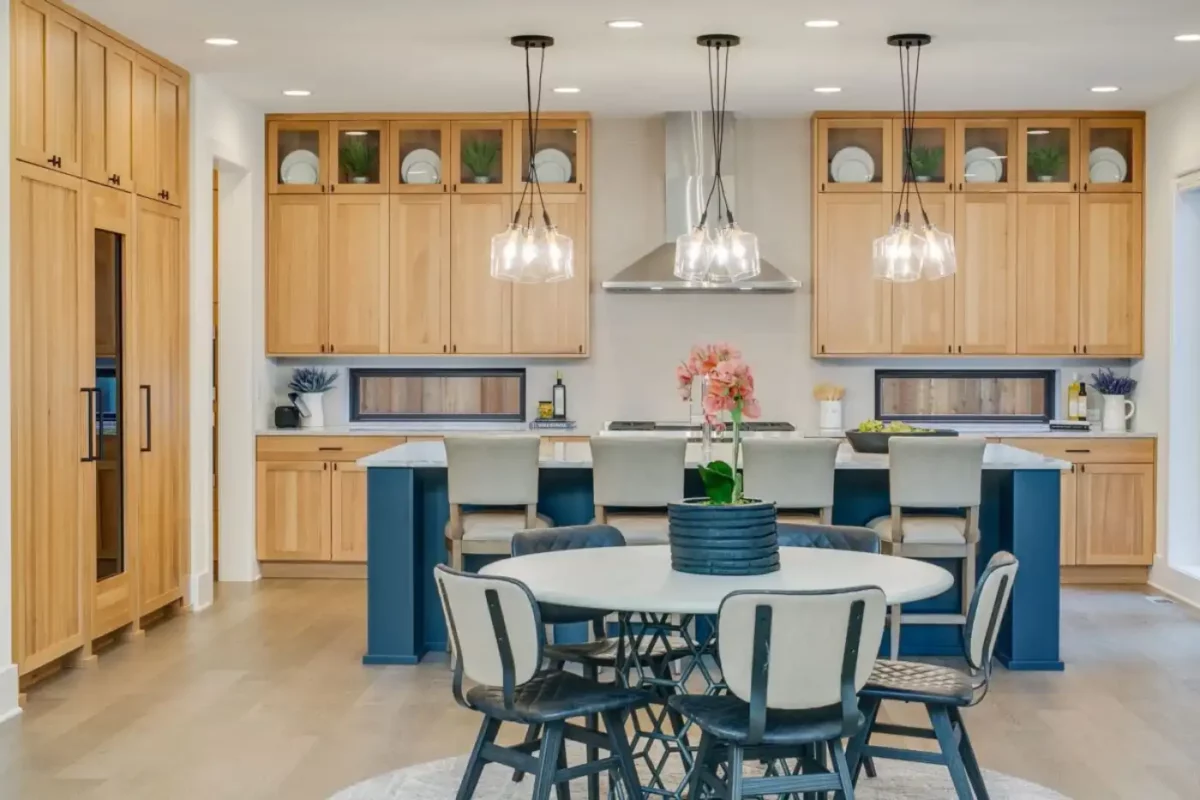
最后,定期审视你的使用方式,并根据实际体验进行微调,是保持厨房功能性的关键。无论是重新调整常用物品的位置,还是升级某个使用频率高的电器,小的优化可以带来显著的体验提升。当你不断根据真实生活来调整设计,你的厨房就会越来越贴合你的需求,真正成为一个高效、舒适且充满活力的家居核心。
Minha fórmula comprovada de design de cozinha funcional em 5 etapas
🙋🏻♂️ Vamos conversar sobre sua cozinha - https://www.mtkd.ca 📬 Inscreva-se na minha newsletter aqui - https://mtkd.ck.page ...
