How To Design A Small Space
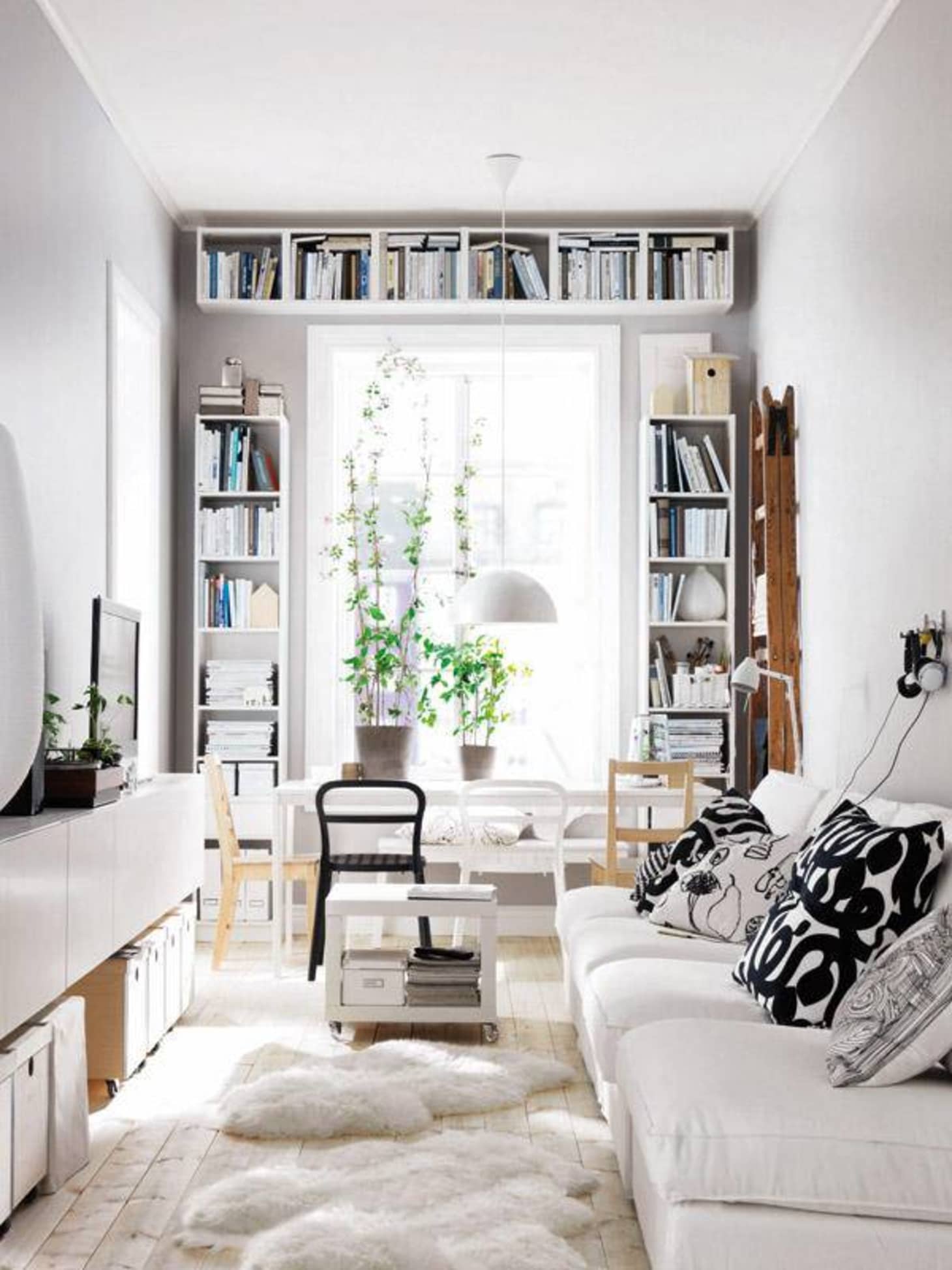
Designing a small space is all about making every square meter feel intentional, comfortable, and surprisingly spacious.
Start with a Clear Plan and Priorities
Before you move a single piece of furniture, take time to understand how you actually use the room. A smart approach to designing a small space begins with observing your daily routines, noting where you cook, work, relax, and store essentials. This habit prevents wasted effort on layouts that look good on paper but fail in real life.
Create a simple list of must-haves, such as a workspace, a reading corner, or a place for guests to sleep. When you design a small space around your true needs, you avoid cluttering it with items that only serve decorative purposes. Focus on dual-function zones, like a dining table that folds against the wall or a bench that doubles as storage.
Sketch several floor plans on paper or use a free online tool to test different arrangements. Measure door swings, window placements, and traffic paths so your layout supports smooth movement. By planning carefully first, you set the foundation for a room that feels open and efficient rather than cramped.

Embrace Smart Storage Solutions
Storage is the backbone of any successful small space design, because hidden order creates visual calm. Look for opportunities to store items vertically, such as tall cabinets, floating shelves, or wall-mounted racks that draw the eye upward. Built-in niches under stairs, beside the bed, or inside alcoves can turn wasted nooks into organized storage zones.
Choose furniture with integrated storage, like ottomans that open, beds with drawers underneath, or coffee tables with shelves inside. Transparent or open containers help you see contents at a glance, reducing the urge to overstuff surfaces. When every object has a designated home, the room stays neater and your small space design feels more controlled.
Consider multi-zone storage, where the same cabinet serves both the kitchen and the dining area, or where a console table hides office supplies in its lower section. Regularly edit your belongings and donate or store items you no longer use, so storage solutions remain effective rather than overflowing.
Use Light, Color, and Mirrors to Expand the Room
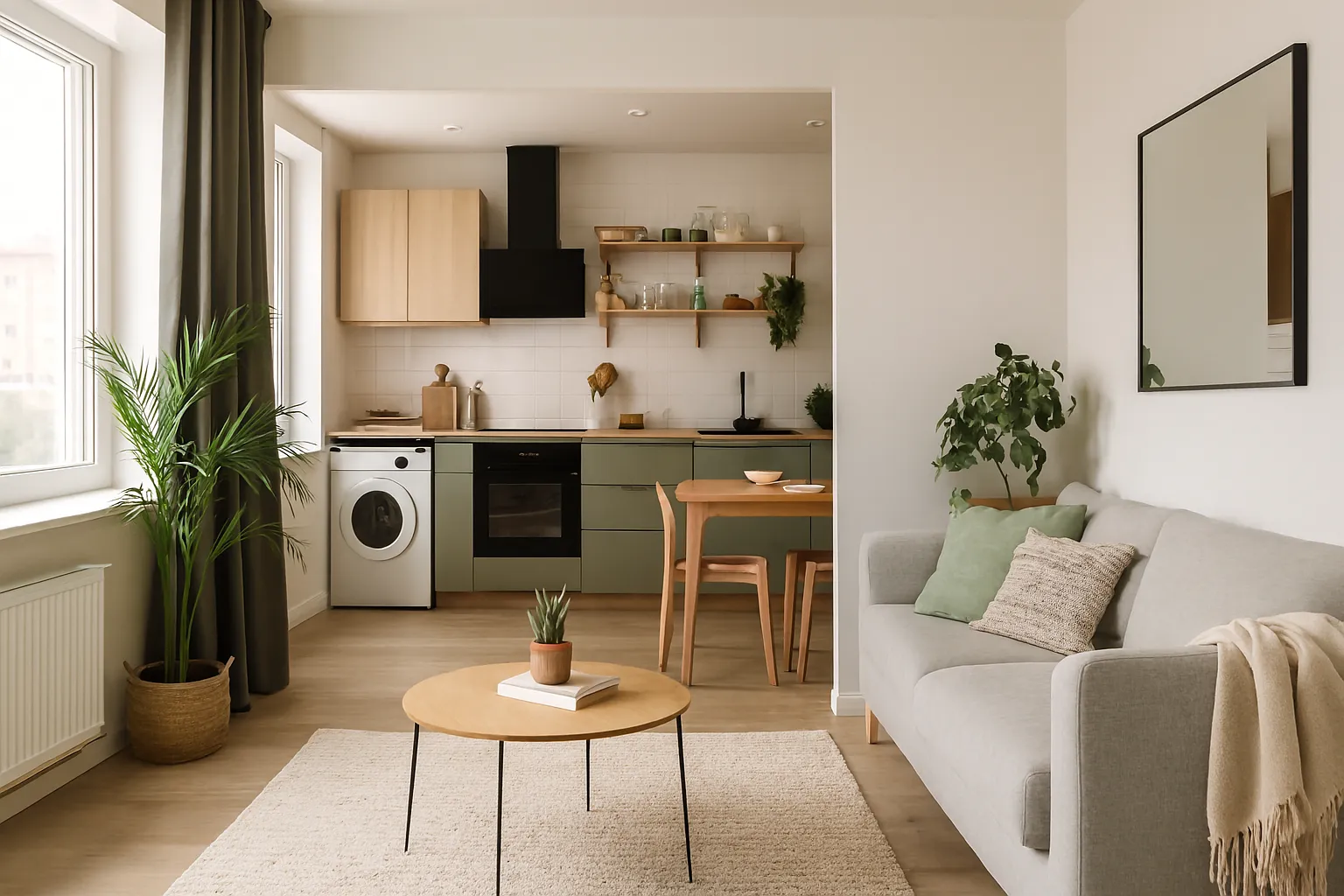
Color choices have a powerful effect on perceived size, so light, neutral tones often work best when you design a small space. Whites, soft beiges, pale grays, and pastels reflect light and create a sense of airiness that makes walls feel farther away. You can add depth with one or two accent colors in textiles or artwork without overwhelming the space.
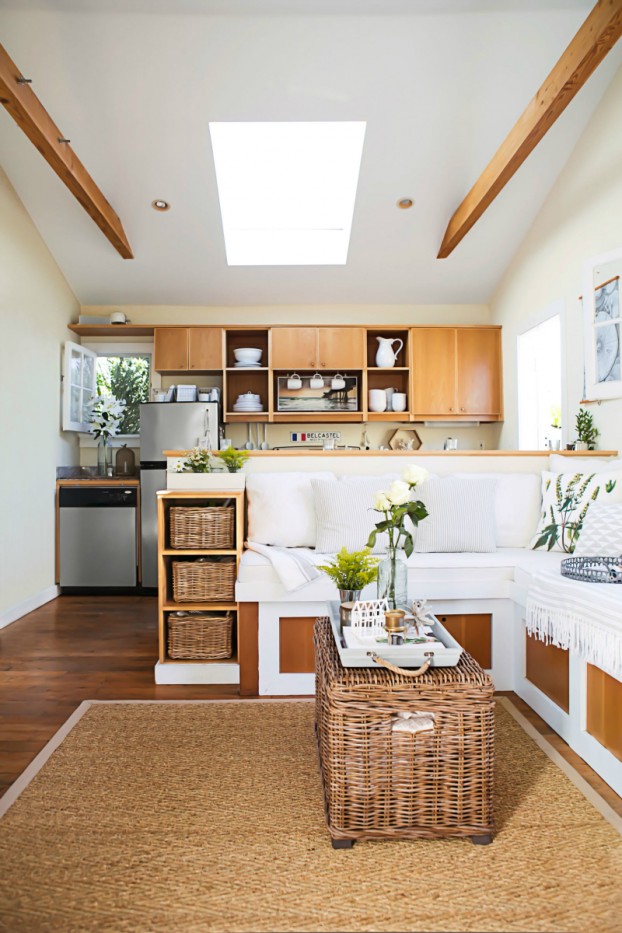
Natural light is your greatest ally, so keep windows unobstructed with sheer curtains or minimal hardware. Place mirrors opposite windows or light sources to amplify brightness and give the illusion of extra depth. A well-placed mirror can make a narrow hallway or compact bedroom feel noticeably larger.
Limit heavy, dark furniture that absorbs light and anchors the room to the ground. Instead, opt for pieces with open legs, glass tops, or slender frames that allow light to pass through. Layering different sources of light, such as ceiling fixtures, table lamps, and sconces, also reduces shadows and enhances the feeling of openness.
Choose Multi-Functional Furniture and Foldable Pieces
Flexible furniture is essential when you design a small space, because it allows the room to transform as your needs change. A sofa bed, a nesting side table, or an extendable dining table can serve multiple roles without taking permanent space. Look for items that can be tucked away, stacked, or rearranged with minimal effort.
Wall-mounted desks, folding dining tables, and Murphy beds are classic solutions that disappear when not in use. Consider modular shelving that can be reconfigured into a workstation one day and a display unit the next. The goal is to keep the floor as clear as possible, preserving walking space and a sense of calm.
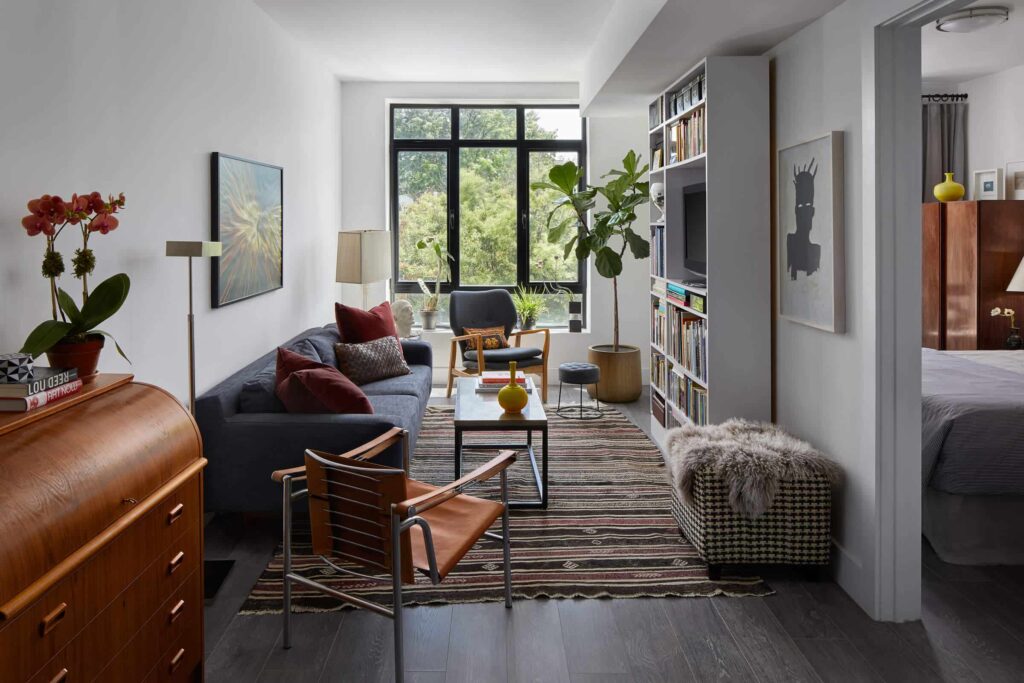
When selecting pieces, prioritize proportion and scale. Oversized furniture will dwarf a small room, while tiny, delicate pieces can make it feel cluttered. Aim for a balanced mix of compact, functional items that support your lifestyle and reflect your personal style.
Optimize Traffic Flow and Create Visual Breathing Room
Good circulation is a quiet but critical part of designing a small space, because blocked paths make even modest rooms feel chaotic. Arrange major furniture along walls or in corners, leaving a clear pathway through the center of the room. Keep high-traffic areas at least 60 to 80 centimeters wide, so two people can pass comfortably.
Avoid pushing every piece against the walls, as this can make the center feel dead. Instead, float a sofa or bed a few inches away from the wall to create a subtle gap that adds depth. Use area rugs to define seating zones without closing off the space, ensuring the floor remains visible beneath furniture.
Visual breathing room means giving the eye places to rest, such as a single statement art piece or a plant on a shelf, rather than covering every surface. By balancing furniture placement with open floor space, you create a room that feels orderly, welcoming, easy to move through.
Add Personality with Thoughtful Details
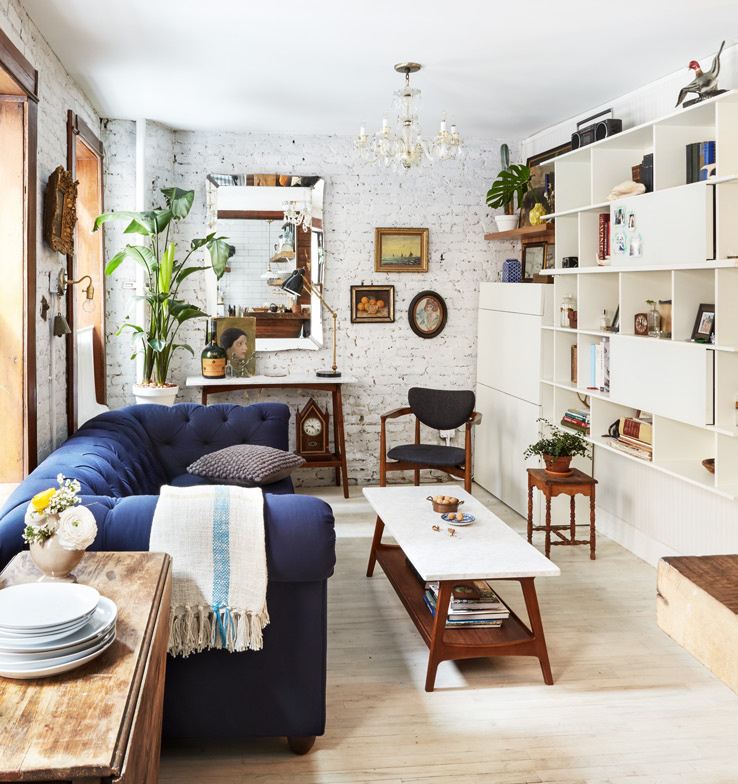
Even a compact room should reflect your personality, so choose a few meaningful decor items rather than many small ones. A single large artwork, a cherished photograph, or a collection displayed on a narrow shelf can become a focal point without taking over.
Plants bring life and improve air quality, and a well-placed green corner can make a small space feel more inviting. Choose low-maintenance varieties that thrive in your light conditions, and use simple, clean pots to keep the look cohesive.
Textiles add warmth and comfort, so layer a soft throw, a few coordinated cushions, and a rug that ties the color palette together. In a small space, texture becomes your design ally, providing depth and interest through materials like woven blankets, smooth ceramics, and matte finishes.
Maintain and Refine Over Time
Designing a small space is an ongoing process, not a one-time project, so revisit your layout regularly as your habits and needs evolve. Move furniture occasionally, try new arrangements, and notice which spots feel most comfortable and functional.
Seasonal editing helps keep clutter at bay, so store off-season clothing, rotate decorative items, and reassess what you truly use. A streamlined environment makes daily routines smoother and keeps your small space design feeling fresh and intentional.
By combining smart planning, thoughtful storage, light-enhancing colors, flexible furniture, and careful attention to flow and detail, you can create a home that feels larger than its square meters. The result is a space that works hard for you, welcomes guests, and supports a calm, joyful everyday life.
10 MANEIRAS DE FAZER SEU ESPAÇO PEQUENO PARECER MAIOR | DICAS DE DESIGN DE INTERIORES
10 MANEIRAS DE FAZER SEU ESPAÇO PEQUENO PARECER MAIOR | DICAS DE DESIGN DE INTERIORES Clique em "...mais" abaixo para links ...
