How To Ensure Environmental Compliance On A Construction Site

Ensuring environmental compliance on a construction site is a critical responsibility that protects ecosystems, avoids legal penalties, and builds long-term trust with the community.
Understand the Relevant Environmental Regulations
Before any shovel hits the ground, you must identify every environmental rule that applies to your specific location and project type. Environmental compliance is not a one-size-fits-all checklist; it depends on local ordinances, national laws, and specific habitat protections. You should research air quality standards, water discharge limits, waste handling procedures, and noise restrictions that govern your work.
Working with an environmental consultant or local regulatory agency can help you map out the exact requirements for your site. They can clarify which permits you need, such as stormwater discharge permits or air quality approvals, and explain the deadlines for submission. By understanding the full scope of regulations early, you prevent costly surprises and redesigns later in the project timeline.

Develop a Detailed Environmental Management Plan
A robust Environmental Management Plan (EMP) translates complex regulations into simple, actionable steps for your crew. This document should outline how you will handle erosion control, waste segregation, fuel storage, and spill prevention on a daily basis. Treat this plan as a living document that you update when the project scope changes or new regulations emerge.
Your EMP should assign clear roles to specific team members so that everyone knows who is responsible for monitoring dust, checking drainage, or recording disposal receipts. Including visual guides, like maps of sediment traps and spill kit locations, makes it easier for workers to follow procedures correctly. When the plan is thorough yet easy to understand, compliance becomes a habit rather than a burden.
Implement Erosion and Sediment Control Measures
Soil erosion and sediment runoff are among the most visible environmental impacts of construction, smothering nearby waterways and damaging landscapes. You can combat this by installing silt fences, sediment basins, and straw bales that trap muddy water before it leaves the site. These simple barriers preserve the integrity of the soil and prevent fines from entering storm drains.

Regular inspection and maintenance of these controls are just as important as installation, especially after heavy rain or when vehicles frequently enter and exit the site. Training workers to recognize disturbed areas and report them quickly helps you address issues before they escalate. Consistent site monitoring ensures that your erosion controls remain effective throughout every phase of construction.
Manage Waste and Promote Responsible Resource Use
Construction generates significant waste, but much of it can be diverted from landfills through careful sorting and recycling. Set up clearly labeled bins for metal, wood, concrete, and hazardous materials so that workers can separate items at the source. Partnering with local recycling facilities and salvage yards can turn discarded materials into valuable resources rather than costly trash.
Beyond recycling, you can practice environmental compliance by reducing waste in the first place through accurate material takeoffs and efficient scheduling. Reusing packaging, donating excess but usable supplies, and choosing prefabricated components all shrink the volume of waste your site produces. These efforts not only help the planet but also lower disposal fees and improve your project’s overall efficiency.
Control Air and Noise Pollution
Dust and noise are common nuisances on construction sites, yet they can have serious health and environmental consequences if left unchecked. Using water trucks, misting systems, and covered haul trucks minimizes dust clouds that spread across neighboring areas and settle on nearby properties. Enclosing or shielding noisy equipment, scheduling loud tasks during daytime hours, and maintaining mufflers are practical ways to respect local communities.
Monitoring air quality with simple dust tracking devices and conducting regular equipment maintenance demonstrates that you take pollution seriously. Transparent communication with nearby residents about work schedules and mitigation efforts can ease concerns and reduce complaints. By actively managing air and noise, you show that environmental compliance is about more than just paperwork.
Respond Quickly to Spills and Incidents
No matter how careful you are, accidents like fuel leaks or chemical spills can still happen, and how you respond makes all the difference. Having a prepared spill response kit with absorbents, booms, and neutralizers on hand allows your team to contain the problem before it reaches drains or waterways. Clear emergency procedures ensure that the right people know how to act swiftly and safely.

Documenting every incident, reporting it to the appropriate authorities, and reviewing what went wrong helps you prevent future occurrences. Conducting regular drills so that workers are familiar with containment steps turns theory into confident action. A strong incident response record not only protects the environment but also supports your legal defense and reputation if questions arise later.
Leverage Technology and Continuous Improvement
Modern tools like drones, sensors, and digital record-keeping platforms can transform how you track environmental performance on site. Drones can monitor erosion patterns over time, while sensors measure air quality and detect leaks early, allowing for faster intervention. Digital logs simplify permit reporting and make it easier to demonstrate compliance during inspections.
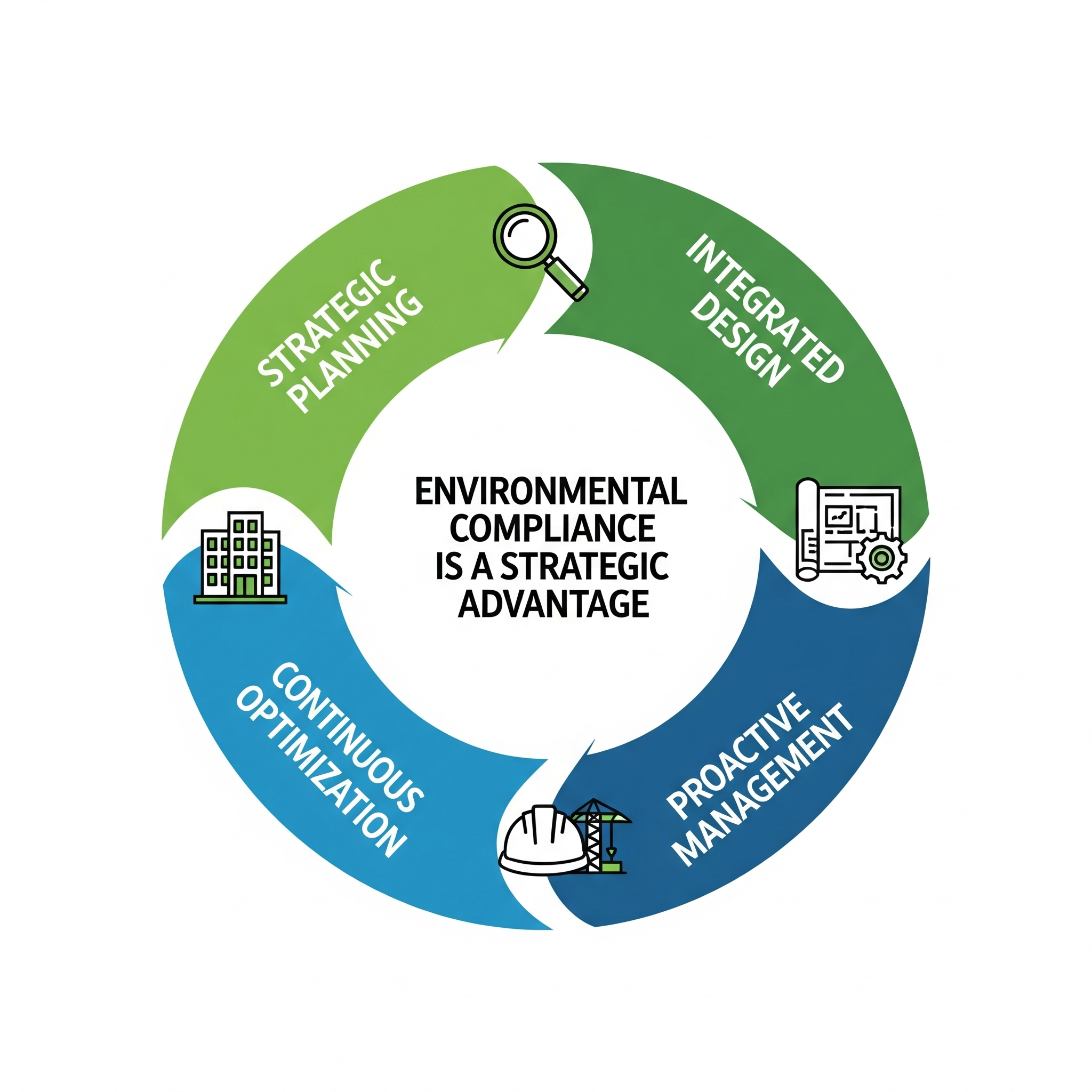
Continuously reviewing your practices, gathering worker feedback, and updating your plans based on new regulations keeps your site proactive rather than reactive. Treating environmental compliance as an ongoing journey, not a one-time checkbox, builds a culture of responsibility and innovation. With consistent effort and smart strategies, you protect the environment, your project, and your professional integrity.

Environmental Compliance Explained #environmentalcompliance
How Environmental Compliance Really Works A clear, explainer video on environmental compliance: audits, CAPA (Corrective ...
