How To Layer Lighting In A Room

Learning how to layer lighting in a room is the simplest way to transform a flat space into a warm, functional, and inviting home.
Understanding the Three Layers of Light
To master how to layer lighting, you first need to understand the three core types that work together. Ambient lighting provides the general illumination that allows you to move through a space safely and see clearly without strain. It is the foundation of how to layer lighting in a room and is usually achieved with ceiling fixtures like flush mounts, chandeliers, or recessed lights.
Task lighting is focused and practical, designed to support specific activities such as reading, cooking, or applying makeup. Without this layer, you might find yourself straining under a general ceiling light while trying to work at a desk. Finally, accent lighting adds drama and personality by highlighting art, architectural details, or favorite objects. When you balance these three elements, you create depth and visual interest that single-source lighting can never achieve.

Start with Ambient Lighting for Overall Brightness
The first step in how to layer lighting is to establish a comfortable level of ambient light that suits the room's purpose. In living rooms, a central chandelier or a series of recessed lights can create an even glow that makes the entire area feel open and accessible. For bedrooms, a softer ambient source like a ceiling fan with a dimmer allows you to adjust the mood from lively to relaxing.
When planning this layer, think about the size and shape of your space. A large room may require multiple fixtures or a combination of ceiling lights and wall sconces to eliminate dark corners. The goal is to provide a gentle background of light that prepares the stage for the more focused layers that will follow.
Add Task Lighting for Function and Comfort
Once the ambient layer is in place, you can enhance usability by adding task lighting exactly where it is needed. Under cabinet lights in the kitchen illuminate countertops for meal prep, while a sleek desk lamp supports late-night work sessions. In the bathroom, a pair of vertical sconces beside the mirror reduces facial shadows and makes grooming easier.

To get the most out of this layer, choose fixtures with adjustable necks or directional shades that put light right where you need it. Consider the height and reach of each fixture so that it does not create glare or get in the way of movement. By integrating task lighting thoughtfully, you make everyday activities more comfortable and efficient without compromising the overall design.
Use Accent Lighting to Create Focus and Mood
Accent lighting is where how to layer lighting becomes an art form rather than just a practical decision. Picture lights above a gallery wall, track lights highlighting a sculpture, or LED strips tucked behind shelving to create a soft glow. These elements draw the eye and give your room a sense of depth by creating contrast between bright and shadowed areas.
You can achieve this effect with spotlights, wall washers, or even stylish floor lamps placed near artwork. The key is to keep the wattage warm and subtle so that the accents feel intentional rather than harsh. When used effectively, accent lighting adds drama and personality, turning an ordinary room into a curated space that reflects your taste.
Choosing the Right Fixtures and Controls
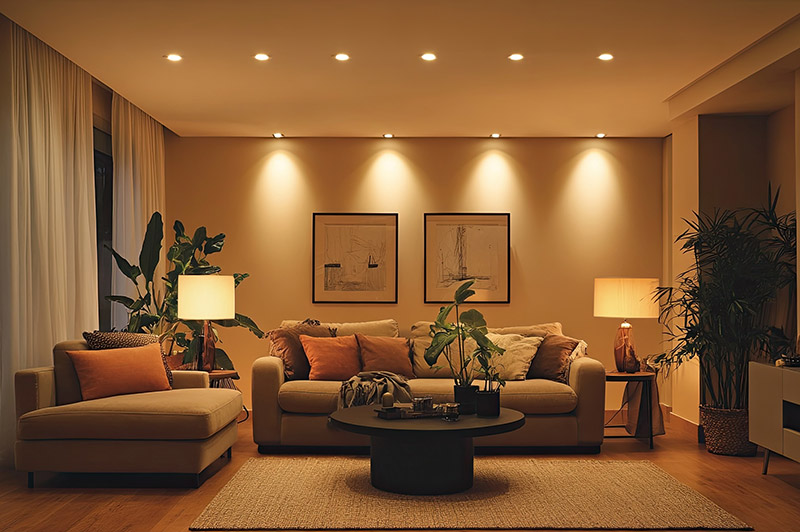
Selecting the right fixtures is essential when you learn how to layer lighting in a room. Chandeliers and pendant lights work well for ambient coverage in dining rooms, while slim profile sconces are perfect for tight spaces like hallways. Lamps and track systems offer flexibility for task and accent layers, allowing you to redirect light as your needs change.
Dimmer switches and smart controls take your layered lighting to the next level by giving you precise control over brightness and mood. With a single adjustment, you can shift the room from a bright workspace to a cozy retreat. Choosing compatible fixtures and modern controls ensures that every layer works together seamlessly.
Balancing Color Temperature and Intensity
Another crucial aspect of how to layer lighting is managing color temperature, which is measured in Kelvin. Warm white light around 2700K to 3000K creates a cozy, inviting atmosphere, while cooler tones around 4000K are better for task areas that require focus. Consistency across layers helps the room feel harmonious rather than disjointed.
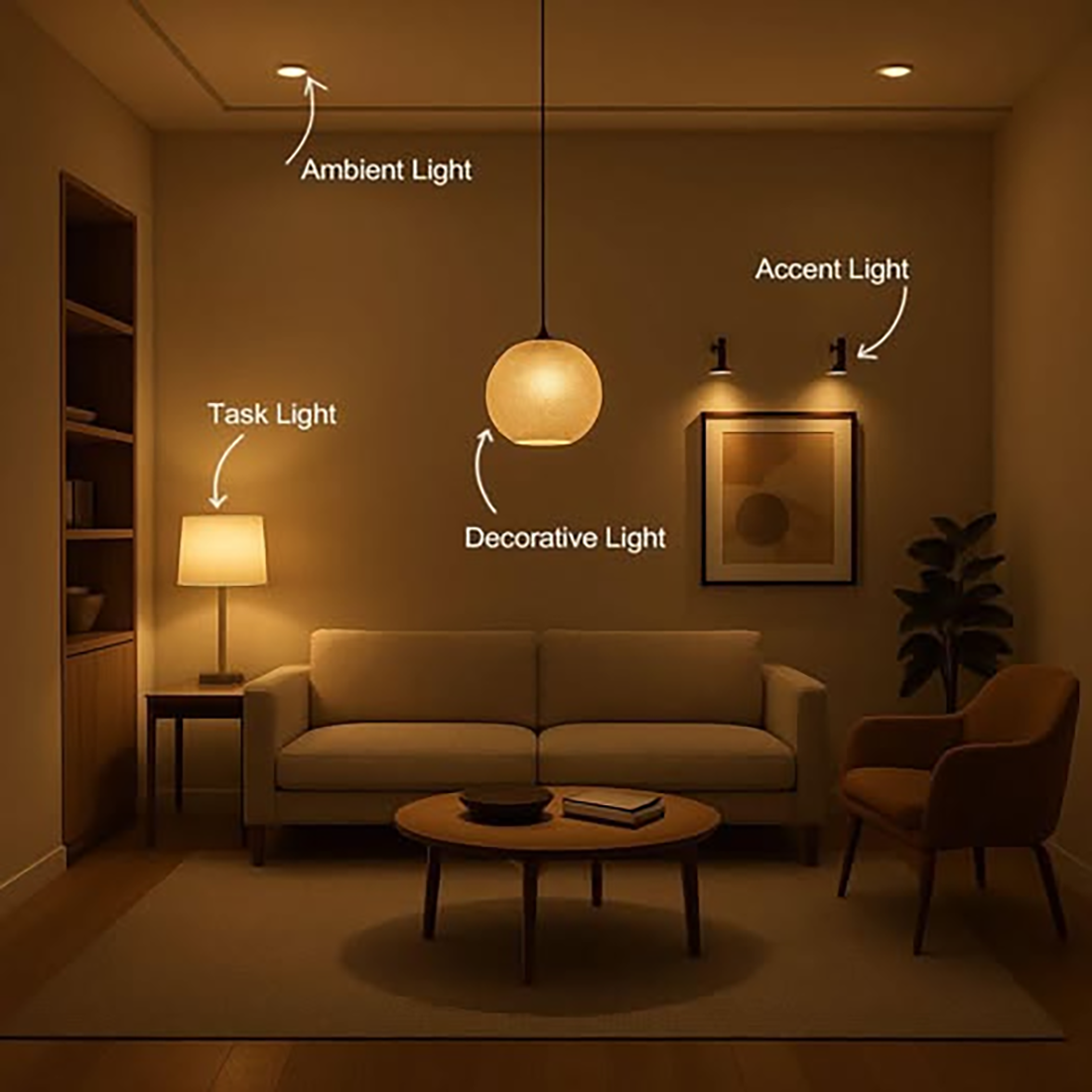
Pay attention to the intensity of each source and use dimmers or three-way switches to fine-tune the balance. You might keep ambient light at a moderate level, brighten task areas slightly, and soften accent lights to create a gentle glow. This thoughtful approach to temperature and intensity ensures that each layer supports the room's function and atmosphere.
Planning Layouts and Avoiding Common Mistakes
When you plan how to layer lighting in a room, start by mapping out where people sit, work, and walk. Place ambient sources high and central, position task lights close to activity zones, and angle accent fixtures to highlight key features. Avoid relying on a single ceiling fixture, as this often leaves shadows and flattens the space.
Common mistakes include using too many cool lights in living areas or placing accent spots too far from the artwork. Testing your layout with temporary lamps or floor fixtures can help you see what works before committing to a permanent installation. With a little experimentation, you can refine the layers until the room feels just right.

Creating a Cohesive and Inviting Atmosphere
Mastering how to layer lighting in a room allows you to control not only visibility but also emotion. A well-lit space feels larger, safer, and more welcoming, while a thoughtfully layered scheme adds character and sophistication. By combining ambient, task, and accent lighting with the right fixtures and controls, you create an environment that adapts to your daily rhythm.
As you refine your approach, remember that balance and comfort matter more than strict rules. Adjust dimmers, move a lamp, or add a subtle spotlight until the room supports both function and mood. With practice, layering light becomes an intuitive skill that enhances every corner of your home.
Interior Design Lighting | How To Layer Lighting
Learn about the different types of lighting and how to layer them to create the mood you want for your space and express your ...
