How To Maintain A Construction Site Diary
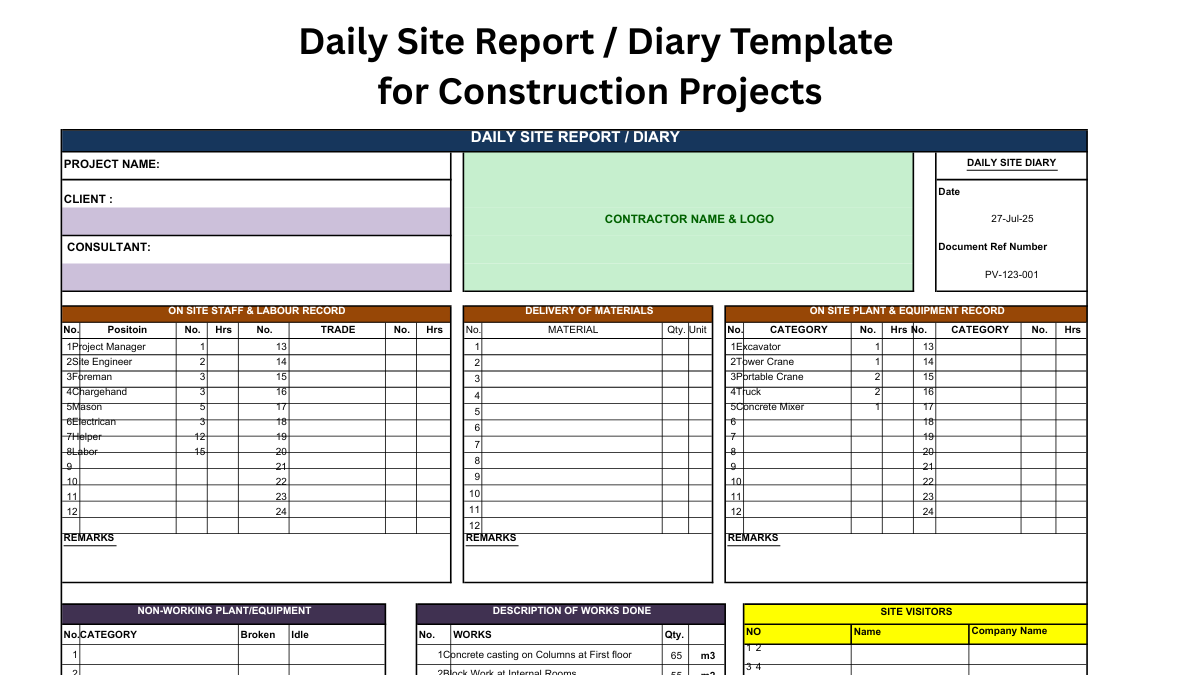
Maintaining a construction site diary is essential for any project that wants to stay on schedule, within budget, and legally protected.
Why a Construction Site Diary Matters
A construction site diary is more than just a logbook; it is the central nervous system of your project. It captures the day-to-day reality on the ground, turning subjective experiences into objective facts. When disputes arise over delays or variations, this diary serves as the first line of defense. Courts and arbitrators often look at these records to determine what actually happened versus what was agreed upon in the contract. Without accurate documentation, even a small misunderstanding can escalate into a costly legal battle. Therefore, treating this diary as a legal and managerial tool is crucial for long term success.
Beyond legal protection, the diary drives better decision making. Project managers use these records to track progress, identify bottlenecks, and forecast future timelines. Stakeholders who review the diary gain transparency into the challenges faced by the crew. This shared understanding reduces friction between the office and the site. In essence, the diary aligns everyone involved with the project goals.

Capturing the Daily Essentials
To maintain a construction site diary effectively, you must record specific data points every single day. Start with the basics such as the date, weather conditions, and the number of workers on site. Note the start and end times of major activities to create a timeline of events. Recording the presence of key personnel, such as the site manager and the client representative, adds credibility to the entries. These details may seem minor, but they build a comprehensive picture of the project environment.
You should also document the quantity and type of materials delivered and used on that day. If there were any shortages or damages, they must be noted immediately. Here are the core items to include in every entry:
- Date and time of the entry.
- Weather and site conditions.
- List of activities completed.
- Materials received and consumed.
- Names of staff present.
Recording Incidents and Variations
Not everything goes according to plan, and your construction site diary should reflect that reality. When an incident occurs, such as an accident, equipment failure, or a delay, describe it in clear and factual language. Avoid assigning blame in the narrative; simply state what happened and when. Include the names of anyone involved and any immediate actions taken to resolve the issue. This neutral tone protects you if the details are reviewed later.

Variations are another critical component of the diary. These occur when the client requests changes to the scope or timeline. Every variation should be recorded with the date, the nature of the change, and the reason provided. If the change impacts the budget or schedule, note the expected impact on the project. This practice ensures that the client acknowledges the change and that you are compensated for any extra work required.
Best Practices for Accuracy
Accuracy is the backbone of a useful construction site diary. You should write the entry at the end of each day while the events are still fresh in your mind. Relying on memory days or weeks later leads to vague and potentially contradictory records. If an event occurs late in the evening, make a brief note right away and then write the full entry the next morning. This two step approach preserves the details.
To maintain consistency, assign a specific person to manage the diary. This ensures that there is always one authoritative source for the record. Here are some best practices to follow:
- Use permanent ink or digital entries that cannot be easily altered.
- Number the pages sequentially to prevent tampering.
- Attach supporting documents such as delivery notes or photos.
- Keep the language simple, direct, and free of emotional commentary.
Digital vs Paper Diaries
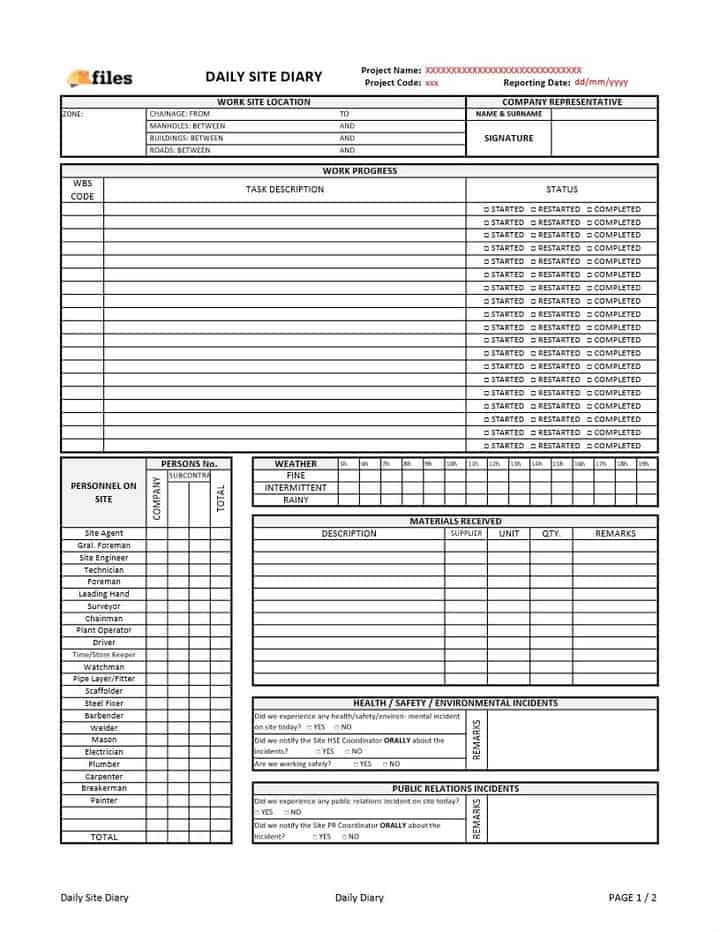
Technology offers two main approaches to maintaining a construction site diary: traditional paper logs or digital apps. Paper diaries are straightforward and require no training, but they are prone to loss, damage, and illegibility. They also make it difficult to attach digital photos or scan supporting documents. On the other hand, digital tools allow for real time entry from the field. You can geo tag the location, add timestamps, and sync the data instantly with the office.
Despite the advantages of digital tools, some professionals prefer the simplicity of paper. If you choose digital, ensure that the platform is secure and backed up. Whichever method you choose, the most important factor is that the diary is updated daily. A perfect digital system is useless if the entries are sporadic. Evaluate your team’s workflow and choose the format that encourages disciplined and regular updates.
Integrating the Diary with Project Management
A construction site diary should not exist in a vacuum; it must be integrated with the overall project management strategy. The data collected should feed directly into schedules, budgets, and progress reports. For example, if the diary notes that a particular trade is behind schedule, the project manager can adjust the next week’s plan accordingly. This connection turns the diary from a passive record into an active management instrument.
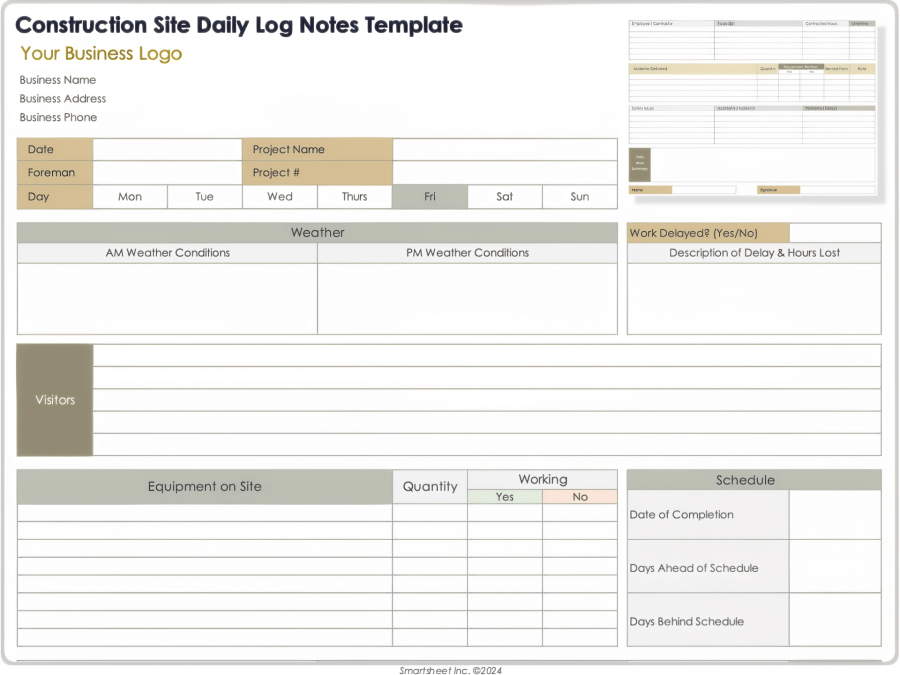
Regular review meetings should include discussions of the diary entries. Use these meetings to address discrepancies, confirm approvals, and plan corrective actions. When the diary is treated as a living document, it helps to keep the entire team accountable. Ultimately, the discipline of maintaining a construction site diary transforms chaos into clarity, ensuring that every brick laid is accounted for.
A Guide To Construction Site Diaries
A site diary is a daily record of everything that happens on a construction project. In this video, we'll talk you through why you need ...
