How To Maintain A Plug-in Hybrid Car
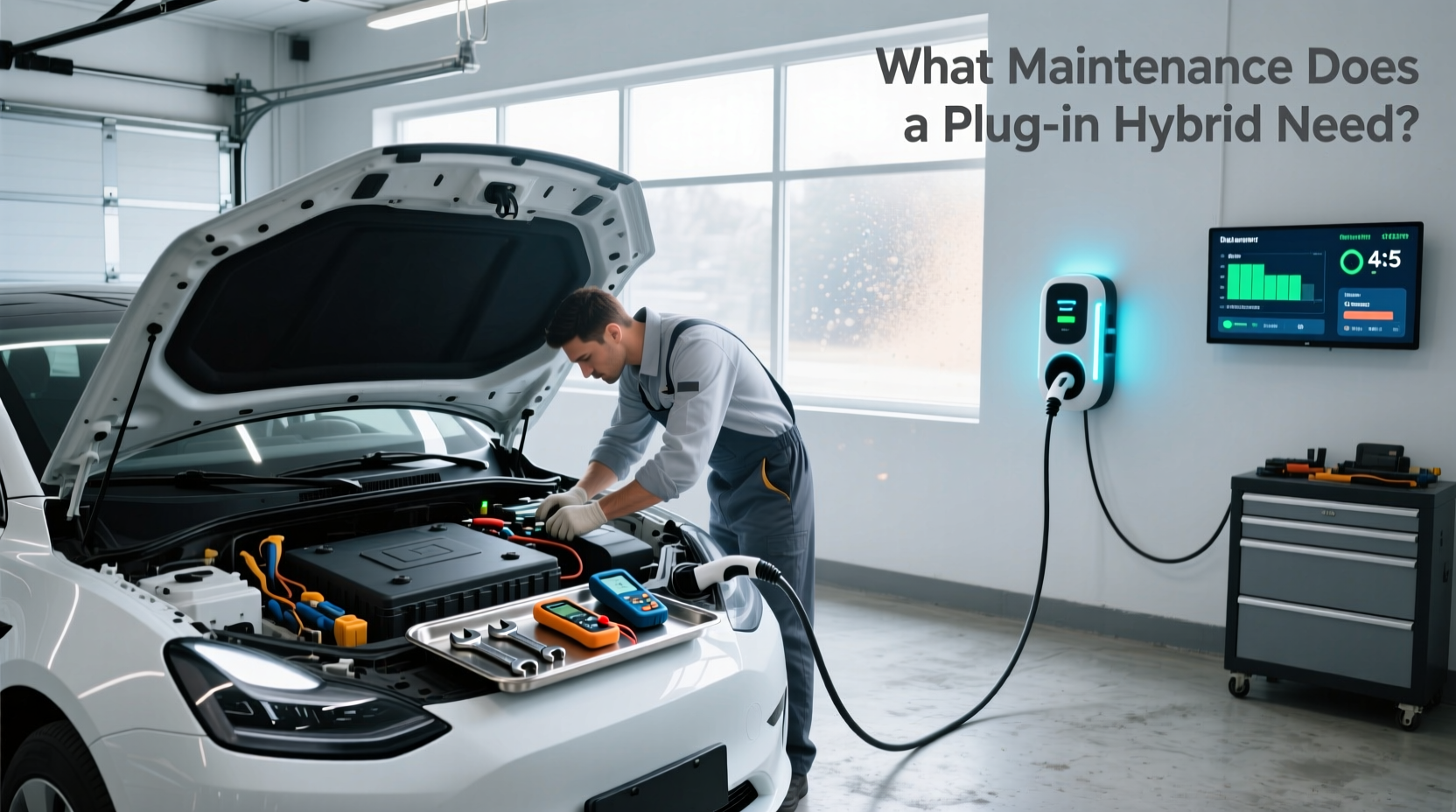
Maintaining a plug-in hybrid car properly ensures long electric range, engine reliability, and higher resale value.
Understand the Two Power Sources
A plug-in hybrid car combines a battery electric system with a conventional combustion engine, so maintenance covers both worlds. The electric side includes the high-voltage battery, electric motor, and power electronics, while the combustion side involves engine oil, filters, and exhaust components. Because you can drive on electricity alone, some mechanical parts wear less, but the high-voltage battery and thermal management system require specific attention. Understanding this duality helps you schedule the right checks at the right time.
Think of maintenance as balancing stress between the electric drivetrain and the engine. When you maximize electric miles, you reduce fuel system use but must monitor battery health. When you rely more on the engine, you follow a traditional car schedule but with extra high-voltage safety steps. This mindset keeps your plug-in hybrid car efficient, safe, and ready for both short electric trips and longer journeys with the engine running.

High Voltage Battery Care and Charging Habits
The high-voltage traction battery is the heart of your plug-in hybrid car, and gentle charging habits extend its life. Avoid regularly charging to 100 percent or draining below 10–20 percent; keeping the state of charge between roughly 20 and 80 percent reduces stress on cell chemistry. Use scheduled charging when possible, and let the vehicle management system handle preconditioning so the battery warms or cools to an optimal temperature before fast charging.
Heat is the main enemy of battery longevity, so parking in shade or using a covered garage helps more than frequent full discharges. If your car offers battery conditioning or scheduled charging features, set them to align with your typical driving pattern. Regular long highway trips generate cooling cycles that can be beneficial, while constant short, low-speed city driving may require more conscious charging management. Following these practices helps preserve electric range and high-voltage system reliability over years of use.
Engine and Fuel System Maintenance
Even with substantial electric range, the combustion engine in a plug-in hybrid car still needs oil changes, filter replacements, and periodic checks. Because you may run the engine less often, follow time-based intervals as well as mileage intervals, since fluids age even when the car sits. Use the recommended oil viscosity and change intervals, and check coolant levels and freeze points, because the thermal system serves both the engine and the battery.
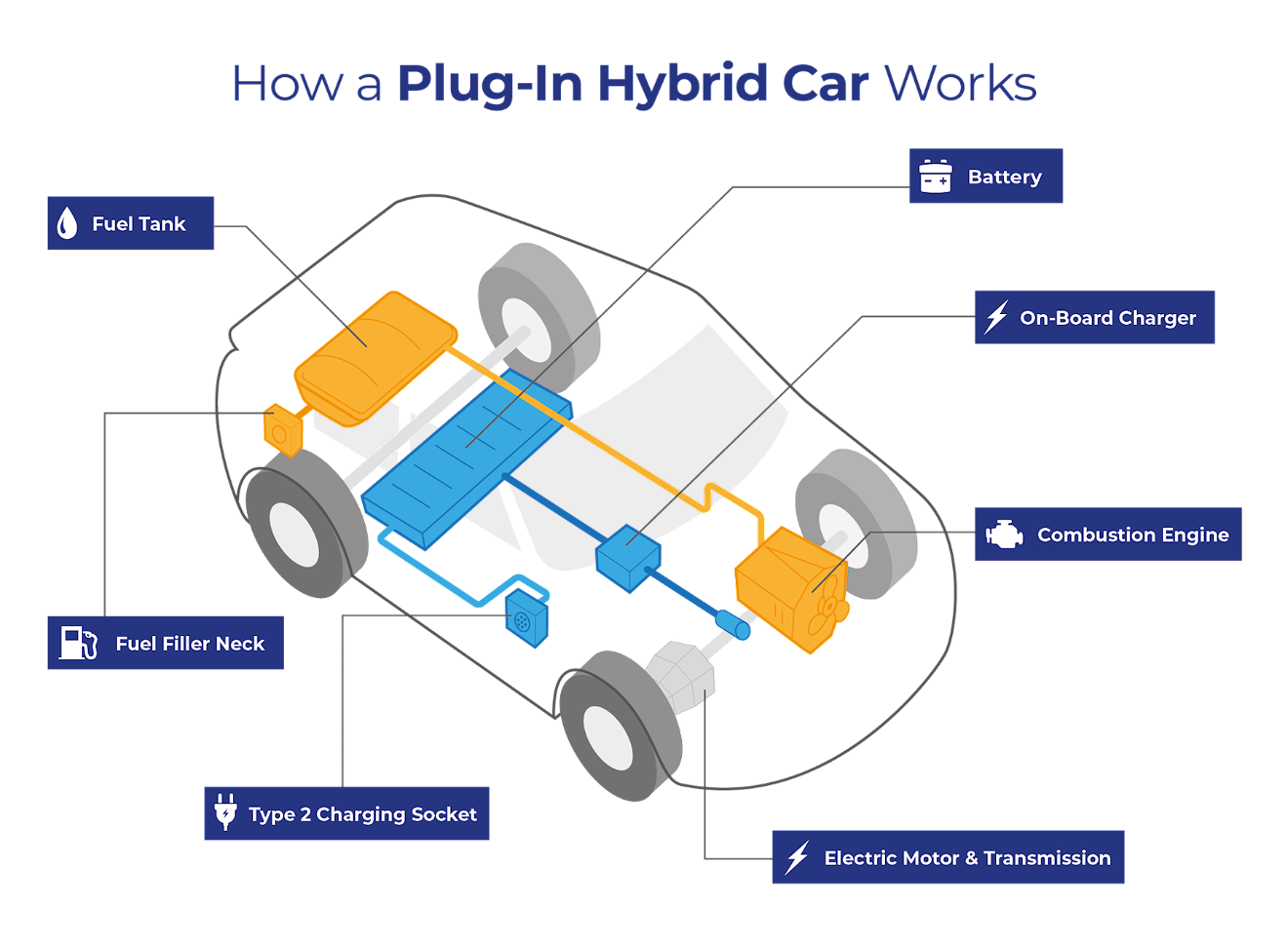
Fuel system care includes running the tank down periodically if your model suggests it, to prevent stale gasoline and keep injectors clean. Listen for unusual noises when you do run the engine, and address warning lights promptly to avoid catalytic converter damage or moisture buildup in the exhaust. Combining thoughtful engine care with mostly electric driving reduces overall fuel consumption and keeps the mechanical components ready for when you need them.
Tires, Brakes, and Regenerative Energy
Regenerative braking in a plug-in hybrid car reduces traditional brake use, but tires still wear with every mile. Maintain proper tire pressure according to the placard on the driver’s door jamb, and rotate tires at intervals that account for different wear patterns from blended regenerative and friction braking. Check tire tread depth regularly and remove debris from treads to maintain grip in various weather conditions.
Because regenerative braking can feel different depending on the mode and state of charge, take time to learn pedal feel in your specific vehicle. Some drivers mistakenly apply the friction brakes unnecessarily, which increases pad and rotor wear and reduces efficiency. Periodic brake inspections remain essential, since corrosion can build up on rotors during long electric-only periods. Keeping tires healthy and understanding regeneration preserves handling safety, ride comfort, and energy efficiency.

Software Updates and High-Voltage Safety
Modern plug-in hybrid car systems receive over-the-air software updates that improve efficiency, battery management, and driver assistance features. Allow updates to install when prompted, and check for recalls or technical service bulletins if you notice unusual behavior from the energy management or infotainment systems. Updated software can refine how the vehicle switches between electric and engine power, optimizing both performance and component longevity.
High-voltage safety is non-negotiable, so never attempt to service the battery, inverter, or orange-highlighted wiring yourself. Always follow manufacturer guidance when working near the charging port, and let qualified technicians handle diagnostics or repairs involving high-voltage components. Routine inspections of the charging cable, port cleanliness, and emergency disconnect procedures keep you and your vehicle safe. Respecting electrical safety preserves warranty coverage and ensures that your plug-in hybrid remains a reliable daily driver.
Long-Term Storage and Seasonal Tips
If you plan to store your plug-in hybrid car for weeks or months, set the state of charge to the recommended mid-range and disconnect the 12-volt auxiliary battery if allowed. In cold climates, keep the battery above freezing, and in hot climates, prioritize shade or climate-controlled parking to reduce thermal stress. A small trickle charger or smart battery maintainer can keep the 12-volt system healthy without overcharging the high-voltage pack.

Seasonal changes also affect tire pressure, wiper blades, and fluid levels, so adjust as temperatures swing. Before long trips, verify electric and fuel ranges, charging port operation, and roadside assistance coverage. Combining these habits reduces surprises and keeps your plug-in hybrid car ready for varied driving conditions. Consistent care across seasons protects your investment and makes every journey smoother.
Conclusion
Regular attention to both electric and combustion systems makes maintaining a plug-in hybrid car straightforward and rewarding.
10 dicas sobre carros híbridos plug-in que todo motorista deve saber!
Tem um Híbrido Plug-in? Aqui estão algumas dicas e truques para aumentar sua autonomia e melhorar sua economia de combustível ...
