How To Water A Newly Planted Tree
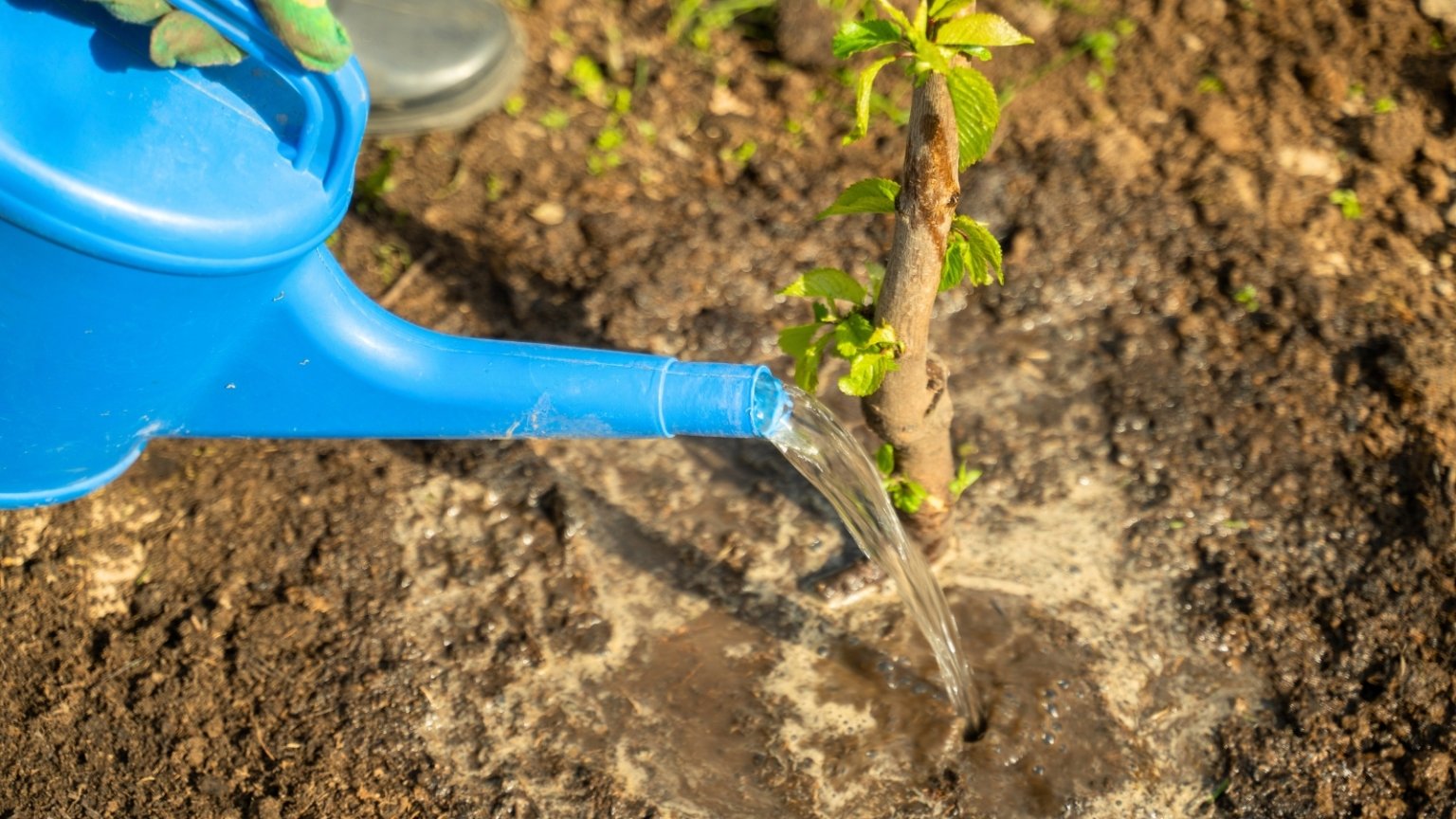
Properly learning how to water a newly planted tree is the most critical step for helping a young tree settle into its new home and establish a strong foundation for healthy growth. Many new homeowners and gardeners focus on planting technique and fertilizer, but without the correct watering routine, even the healthiest sapling can struggle or fail. Consistent moisture, applied in the right way and at the right frequency, supports root development and prevents the stress that leads to long-term problems. This guide will walk you through the essential steps, timing, and common mistakes so your newest tree has the best possible start.
Why Watering a Newly Planted Tree Is Different
When you water a newly planted tree, you are not just quenching surface thirst; you are encouraging roots to grow outward into the surrounding soil. Because the root ball is initially small and confined, it cannot draw moisture from deeper or wider areas, making regular, deep watering essential. Unlike established trees that draw water from a broad network, a newly planted tree relies almost entirely on you to provide consistent moisture in its immediate zone. Understanding this difference helps you avoid the common error of watering too lightly or too infrequently.
Newly planted trees are also more vulnerable because their roots are transitioning from the controlled environment of the nursery or container into the variable conditions of your landscape. Air pockets, soil compaction, and rapid drying can all hinder establishment. By focusing on deep, slow watering that reaches the entire root zone, you create a stable, moist environment that supports new root growth and helps the tree acclimate. This foundational care in the first few months directly influences long-term health, stability, and resilience.

How Often Should You Water a Newly Planted Tree
The frequency of watering depends on factors such as soil type, climate, temperature, and tree species, but a general rule for a newly planted tree is to water deeply two to three times per week during the first few months. In hot, dry, or windy conditions, you may need to increase to daily watering for the first week or two, especially if planted in sandy soil that drains quickly. Conversely, in cooler, humid climates or with heavy clay soil, you might water less often but ensure each session delivers sufficient moisture to penetrate deeply.
Instead of following a rigid calendar, check the soil regularly to decide when to water. Push your finger into the soil near the root ball; if the top 2 to 3 inches feel dry, it is time to water. For more accuracy, use a simple soil probe or moisture meter to assess conditions a few inches below the surface. Monitoring moisture this way helps you adjust for weather changes and avoid both underwatering and overwatering, giving your tree exactly what it needs to establish strong roots.
How to Water Properly: Techniques That Work
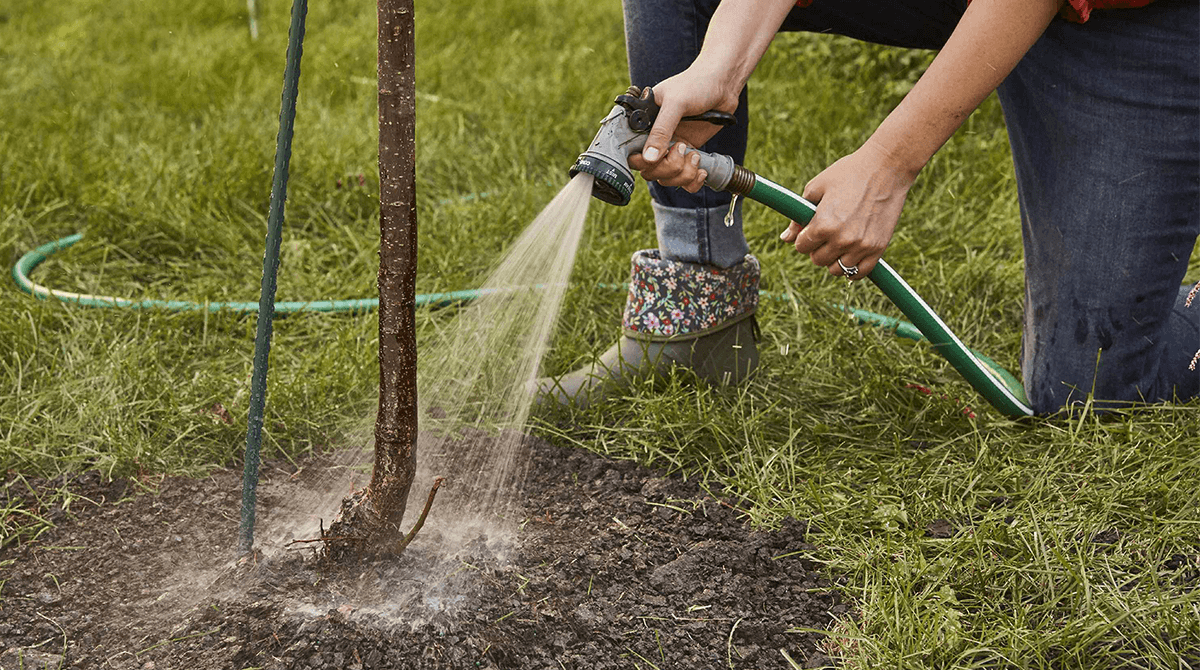
To effectively water a newly planted tree, focus on delivering water directly to the root ball and the surrounding soil. Use a slow trickle from a garden hose placed near the base, allowing water to seep in gradually without runoff. A soaker hose or drip irrigation is ideal because it provides consistent, deep moisture without washing away soil. Apply enough water to moisten the entire root ball and extend a few inches into the surrounding soil, typically about 2 to 3 gallons for a small tree, adjusting as the tree grows.

After watering, allow the soil to settle and check for air pockets that can dry roots out. Gently firm the soil around the base if necessary, but avoid packing it tightly, which can restrict oxygen. Mulching with a 2 to 4 inch layer of organic material, keeping it a few inches away from the trunk, helps retain moisture, regulate soil temperature, and reduce weeds. Combining proper watering with mulching creates an environment where roots can develop steadily and the tree becomes firmly established.
Common Watering Mistakes to Avoid
One of the most frequent errors is watering only the trunk or the immediate area right around the trunk, which does little to encourage roots to spread. Another mistake is applying water too quickly, causing runoff that fails to penetrate deeply. Shallow, frequent watering leads to roots that stay near the surface, making the tree more vulnerable to drought and windthrow. It is also easy to overwater in poorly draining soils, which can suffocate roots and invite rot, so always check soil moisture before adding more water.
Timing matters as well; watering in the late afternoon or early evening reduces evaporation and gives moisture time to soak in before nightfall, though you should still allow the foliage to dry to minimize disease risk. Avoid watering only during the hottest part of the day, which can cause rapid evaporation and stress the tree. By observing your tree, checking soil conditions, and adjusting based on weather, you can avoid these pitfalls and support steady, healthy growth.
Signs Your Tree Is Getting the Right Amount of Water
A newly planted tree that receives appropriate moisture will show steady, consistent growth with firm, green foliage and minimal leaf drop beyond normal seasonal shedding. The soil around the root ball will remain moist but not waterlogged, and new shoots or leaves emerging in the canopy are positive indicators of good root function. If you notice wilting, yellowing leaves, or dry, cracked soil, adjust your watering schedule to ensure deeper, more frequent applications.
Conversely, overwatering can cause leaves to turn yellow or brown at the edges, create a foul odor from the soil, or promote the growth of fungi and pests. Underwatered trees often display scorched or crispy leaf edges, slow growth, and soil that pulls away from the trunk. By learning to read these signals, you can fine-tune your approach and ensure your newly planted tree remains vigorous and well anchored as it establishes itself in its new location.
Adjusting Watering as Your Tree Grows
As your newly planted tree develops a stronger root system, usually after the first full growing season, you can gradually adjust your watering routine. Begin by extending the watering area beyond the original root ball to encourage roots to explore the surrounding soil, and slowly reduce frequency while maintaining deep soaking sessions. Larger trees will need more water overall, but the frequency may shift to once or twice a week, depending on rainfall and soil conditions.
Pay attention to seasonal changes, increasing water during prolonged dry spells and reducing it during periods of heavy rain. Young trees on slopes or in windy areas may require more frequent watering because moisture drains and evaporates more quickly. By staying observant and responsive, you provide the right balance of moisture at each stage, helping your tree grow sturdy, resilient, and well suited to its environment.
Mastering how to water a newly planted tree sets the stage for long-term success, turning careful attention in the early months into a thriving, mature landscape feature. With consistent deep watering, proper soil moisture checks, and mindful adjustments for weather and soil type, you give your tree the best possible start. Follow these guidelines, watch for positive signs of growth, and enjoy watching your new tree establish itself and flourish for years to come.
How to Water Your New Tree - Tree Tips #2
Today Rhett will teach you how to properly assess your tree for watering and how to properly water it. Trees require a lot of care ...
