Korsakoff's Psychosis

Korsakoff's psychosis is a serious neurological condition that often emerges after years of severe alcohol misuse and a profound deficiency of thiamine, or vitamin B1.
Understanding Korsakoff's Psychosis and Its Causes
Korsakoff's psychosis belongs to a spectrum of alcohol-related brain disorders and is typically preceded by an episode of Wernicke encephalopathy, which is an acute and urgent medical emergency. The underlying mechanism involves a significant shortage of thiamine, a nutrient essential for brain energy metabolism, which is frequently seen in people with chronic alcohol use disorder due to poor dietary intake and reduced absorption. Without timely intervention, the damage can become permanent and evolve into full Korsakoff's psychosis, where problems with memory and learning become the dominant features.
While heavy drinking is the most common risk factor, other situations that lead to prolonged thiamine deficiency can also trigger the condition. These include prolonged vomiting, severe malnutrition, certain gastrointestinal surgeries, and eating disorders. Because the brain relies heavily on glucose for energy, the lack of thiamine disrupts the normal function of neurons, particularly in areas such as the thalamus and mammillary bodies that are crucial for memory consolidation and retrieval.

Recognizing the Core Symptoms
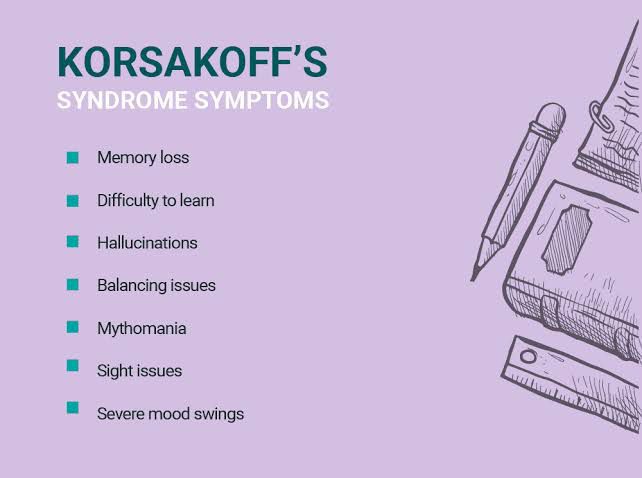
The most defining feature of Korsakoff's psychosis is anterograde amnesia, which means a person has great difficulty forming new memories after the onset of the illness. They may repeatedly ask the same questions, forget recent conversations within minutes, or rely heavily on notes and reminders to navigate daily life. In addition to this memory impairment, there is often retrograde amnesia, affecting the recall of events that occurred before the illness developed, with gaps that can extend back many years.
Alongside these memory problems, individuals may exhibit confabulation, which involves fabricating stories or details to fill in missing information without the intent to deceive. They might also show apathy, a reduced emotional response, and difficulty with planning or organizing tasks. Because these signs can develop gradually, friends and family may initially mistake the changes for ordinary forgetfulness or stress, delaying the search for appropriate medical care.
How Doctors Diagnose the Condition
A thorough evaluation for Korsakoff's psychosis usually begins with a detailed clinical interview that explores the patient's drinking history, nutritional status, and timeline of cognitive changes. Clinicians look for the characteristic pattern of memory loss, relative preservation of other cognitive functions, and the absence of clouded consciousness, which helps distinguish it from delirium or dementia. Blood tests can reveal markers of thiamine deficiency and liver function, while brain imaging such as MRI may show characteristic changes in specific brain regions.

It is important to differentiate Korsakoff's psychosis from other forms of cognitive impairment, because the treatment approach and prognosis can differ significantly. In some cases, additional assessments by neuropsychology are used to map the extent of memory deficits and guide rehabilitation strategies. Early recognition and diagnosis improve the chances of stabilizing symptoms and preventing further deterioration, especially if thiamine replacement is started promptly.
Immediate Treatment with Thiamine Replacement
The cornerstone of medical management is high-dose thiamine replacement, typically administered intravenously or intramuscularly in the early stages to ensure adequate absorption. This urgent intervention aims to halt the progression of neurological damage and, in some cases, lead to partial improvement of symptoms. Once the acute phase is managed, oral thiamine supplements are usually continued long term to maintain sufficient levels.
Because many individuals with Korsakoff's psychosis also struggle with alcohol dependence, treatment plans often combine medical care with structured support for substance use. This may include counseling, behavioral therapies, and, when appropriate, medications to reduce cravings and prevent relapse. A multidisciplinary team involving doctors, nurses, psychologists, and social workers can address both the physical and psychological aspects of recovery.

Long Term Management and Rehabilitation
Although severe memory problems may persist, comprehensive rehabilitation can help people with Korsakoff's psychosis develop new strategies to cope with everyday challenges. Occupational therapists often introduce routines, external memory aids, and structured environments to reduce confusion and improve independence. Support from caregivers is crucial, as they learn how to communicate effectively and create safe surroundings that minimize risks.
Long term success depends on consistent engagement with support services, ongoing nutrition management, and, for many individuals, continued support for alcohol cessation. Peer support groups and community programs can provide additional motivation and a sense of connection. With the right combination of medical treatment, rehabilitation, and social support, it is possible to stabilize symptoms and enhance quality of life over time.
Looking Ahead: Prevention and Public Health
Preventing Korsakoff's psychosis starts with addressing the broader issue of thiamine nutrition and alcohol use in the community. Public health initiatives that promote balanced diets, early intervention for alcohol misuse, and accessible treatment options can reduce the incidence of this devastating condition. Healthcare professionals play a key role in screening at risk patients and educating them about the importance of thiamine intake and safe drinking practices.
For individuals and their families, understanding the warning signs and seeking help at the first hint of severe memory problems can change the course of the illness. By fostering awareness and compassion, society can better support those affected by Korsakoff's psychosis and work toward minimizing its impact through education, prevention, and timely medical care.
2-Minute Neuroscience: Wernicke-Korsakoff Syndrome
Review of thiamine deficiency disorders: Wernicke encephalopathy and Korsakoff psychosis. J Basic Clin Physiol Pharmacol.
