Living Fulltime In A Motorhome
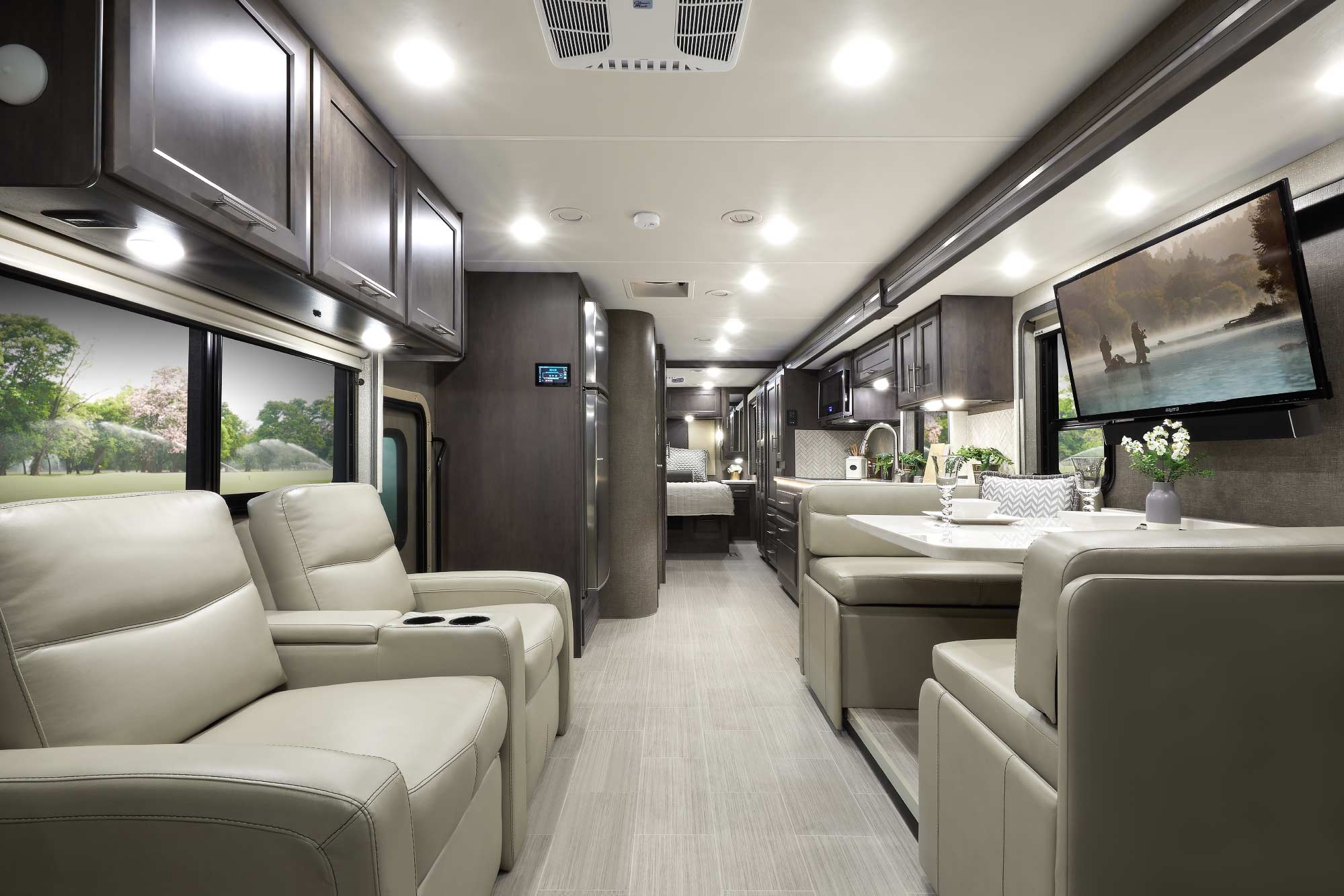
Living fulltime in a motorhome is becoming a realistic lifestyle choice for more people who value freedom, simplicity, and mobility.
What It Really Means to Live Fulltime in a Motorhome
Living fulltime in a motorhome means making a vehicle your primary residence, handling daily routines, work, and leisure inside a confined but mobile space. It is not just extended camping; it is a deliberate choice to downsize your belongings and focus on experiences instead of stuff. This lifestyle often blends the comfort of a small home with the adventure of constant travel, requiring practical planning and a flexible mindset. If you imagine your life with fewer walls but more possibilities, this way of living could fit your desire for simplicity and autonomy.
Unlike occasional road trips, permanent motorhome life involves managing utilities, storage, maintenance, and long-term comfort. You trade traditional housing costs for vehicle expenses, campsite fees, and the occasional repair bill. Many people who live fulltime in a motorhome report stronger relationships, clearer priorities, and more time outdoors. It suits digital nomads, retirees, couples, and families who are ready to adapt their habits to a smaller, more efficient environment.

Designing a Functional and Comfortable Layout
Inside a motorhome, every centimeter counts, so smart layout decisions make daily life much easier. You can create zones for sleeping, cooking, working, and relaxing by using flexible furniture, storage under beds, and clever shelving. Choosing multi-purpose items like a dinette that converts into a bed or a compact kitchen with stackable cookware helps maximize your space. Good lighting, mirrors, and light color schemes also make the interior feel larger and more inviting.
When you plan your setup, consider your routine and prioritize the features that matter most to you. Key areas to optimize include:
- Sleeping arrangements that offer enough support and privacy.
- A compact but efficient cooking and water system.
- Storage solutions that keep essentials accessible but organized.
- Work or leisure spaces with reliable power and connectivity.
Some people prefer an open concept, while others like defined corners for different activities. The goal is to design a layout that feels orderly rather than cramped, so you can enjoy your mobile home instead of constantly managing clutter.

Managing Utilities and Daily Logistics
Successful fulltime living depends on understanding how water, power, waste, and climate control work in your vehicle. You will need strategies for freshwater storage, grey water disposal, reliable power sources, and efficient heating or cooling. Many motorhome dwellers combine shore power, solar panels, and small generators to keep devices, lights, and appliances running smoothly.
Daily logistics include planning where to refill water, where to charge devices, and where to park safely overnight. Useful habits that simplify life on the road include:
- Checking tank levels each morning.
- Scheduling regular maintenance for batteries and appliances.
- Using weather apps to avoid extreme conditions.
- Building a routine for cleaning, organizing, and securing the vehicle.
At first, these tasks may feel overwhelming, but with time they become part of a smooth rhythm. You learn to coordinate campground reservations, waste stations, and supply runs, which keeps your lifestyle stable even while you move from place to place.

Finding Safe and Legal Parking Options
Knowing where to park is essential when you live fulltime in a motorhome, because you need safety, legality, and access to basic services. Campgrounds, long-term parking lots, and private lands with permission are common choices, each offering different levels of cost, security, and amenities. Researching local regulations helps you avoid fines or displacement, especially in cities where overnight parking rules can be strict.
Many fulltimers use apps and forums to share up to date information about free or low cost spots, dump stations, and quiet places to rest. Building a network within the motorhome community can point you toward hidden gems like rural lots, church parking, or BLM land where stays are tolerated or encouraged. The right location gives you peace of mind, better sleep, and easier access to groceries, showers, and workspaces.
Balancing Work, Social Life, and Personal Wellbeing
Working remotely is a popular reason to choose this lifestyle, but it requires discipline and reliable internet. You can plan your days around stable connections at coworking spaces, libraries, or cafes, while using your motorhome as a comfortable base. Setting boundaries between work time and personal time helps you enjoy the freedom without falling into burnout or constant distraction.
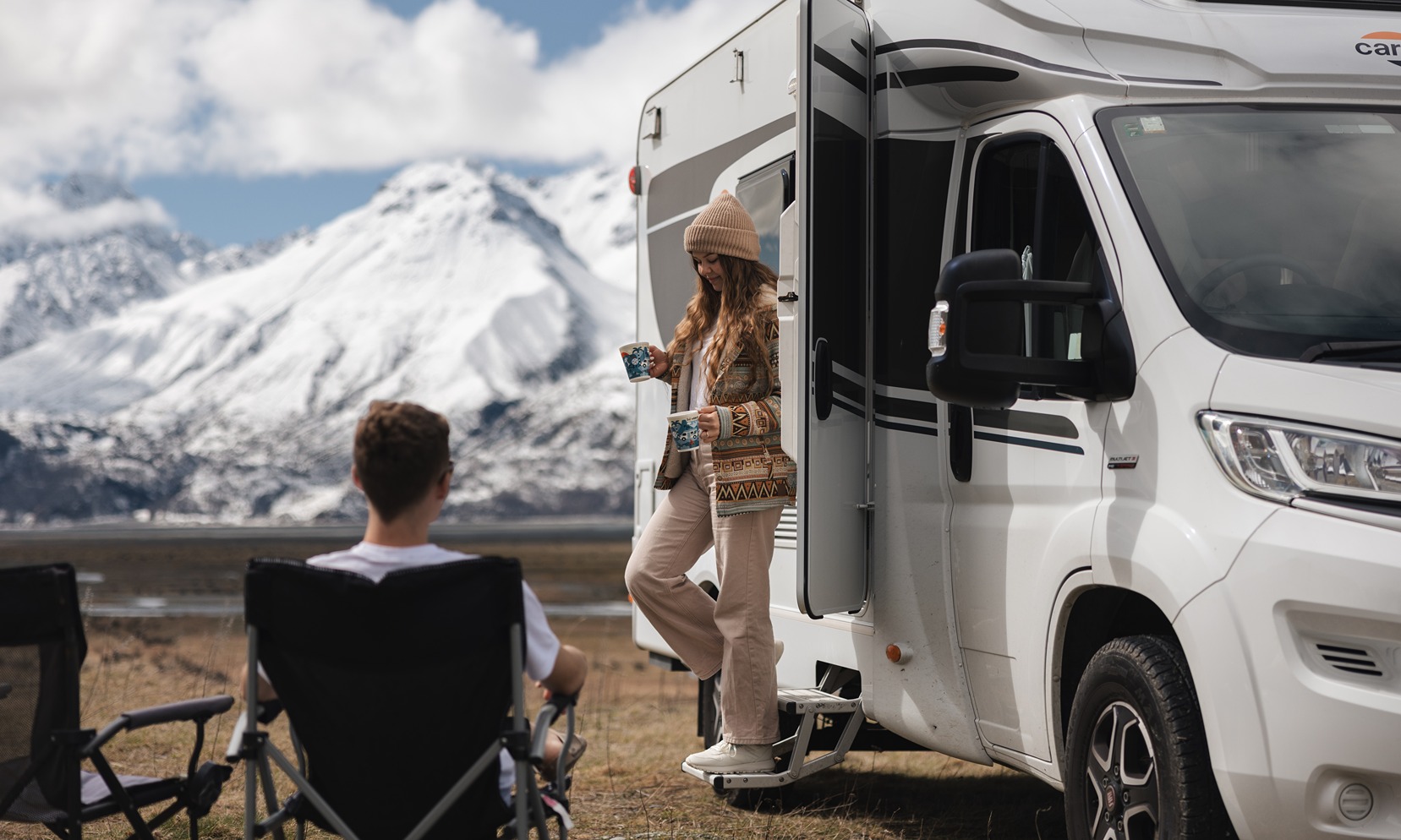
Social life looks different on the road, yet many people find deeper connections through campfire conversations, local events, and online communities. To support your wellbeing, focus on:
- Regular exercise, even in a small space.
- Time outside in nature to stay grounded.
- Consistent communication with friends and family.
- Moments for reflection and creative projects.
Mental health benefits from routine, so even simple habits like morning stretches, journaling, or a quiet cup of coffee can make a big difference. When you care for yourself, the motorhome becomes not just a shelter but a supportive environment for growth.
Financial Considerations and Long Term Planning
Financially, living fulltime in a motorhome can reduce housing costs, but it introduces new expenses such as fuel, insurance, maintenance, and site fees. Creating a realistic budget helps you balance savings, travel, and unexpected repairs. Tracking your spending for a few months before committing gives you a clearer picture of what you truly need to live comfortably.

Long term planning includes decisions about when to return to a stationary home, how to handle healthcare, and how to preserve your vehicle over time. Regular maintenance, smart upgrades, and insurance tailored to fulltime living protect your investment and your peace of mind. By approaching finances with honesty and foresight, you can enjoy years of flexible, low stress living on the road.
In the end, living fulltime in a motorhome is a personal journey that blends practicality with a sense of adventure. It asks you to simplify, adapt, and stay present, while offering new landscapes, experiences, and perspectives along the way. If this lifestyle resonates with your values and goals, you can start small, learn as you go, and shape a life that moves with you.
How Much Does It Cost to Live Full Time in a Motorhome in the UK?
How much does it cost to live in a motorhome full-time in the UK in 2024? Find out as I break down my monthly and yearly ...
