Simple Past E Present Perfect

Understanding the difference between simple past and present perfect is essential for expressing time and completed actions accurately in English.
When to Use the Simple Past
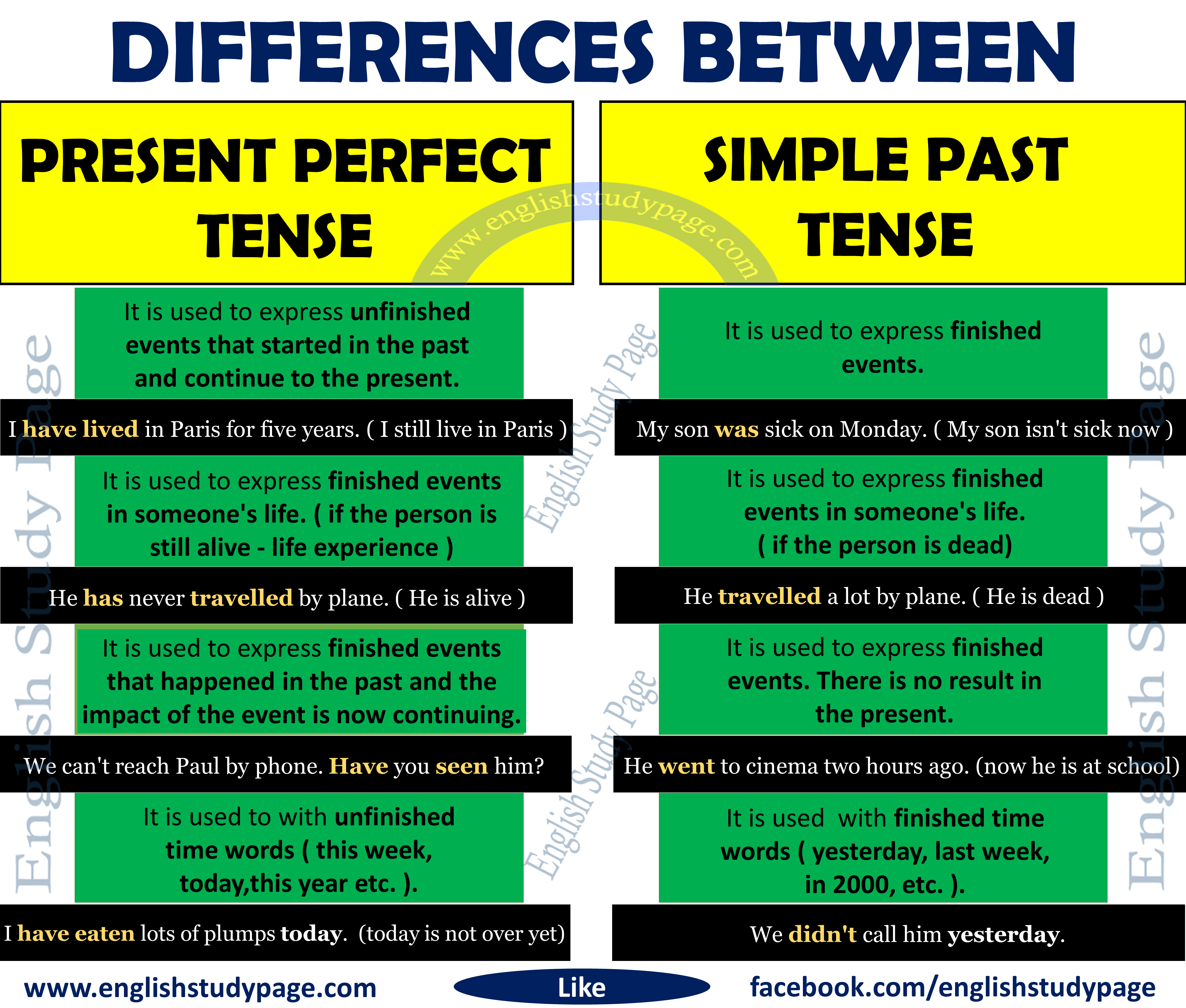
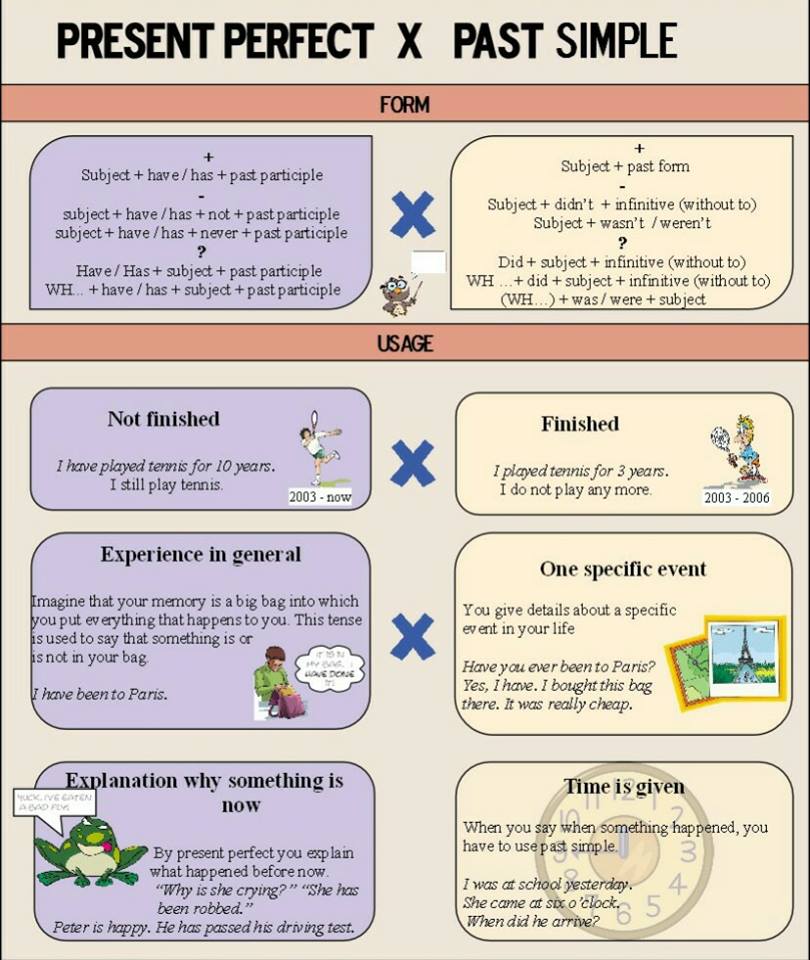
The simple past tense is used to talk about finished actions at a specific moment in the past. This time can be stated or clearly implied by context. We often use it when the time of the action is finished and completely separated from the present.
For example, if you say "I visited Paris in 2010," the action is anchored to a year that is now over. There is no connection to the current moment. The simple past is also the correct choice when narrating a sequence of events, describing habits that no longer exist, or talking about a completed series of actions.
- She called me yesterday.
- They moved to another city last summer.
- I ate pizza for dinner.
When to Use the Present Perfect
The present perfect tense connects the past to the present moment. We use it to talk about experiences, changes, or situations that happened at an unspecified time before now. The exact moment is not important or unknown; what matters is the relevance to the current situation.
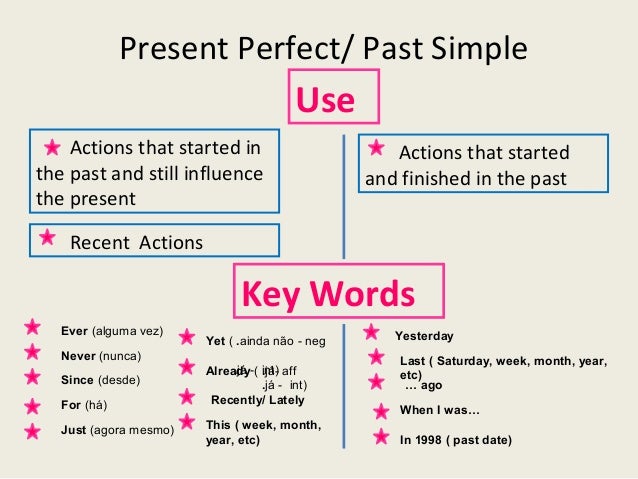
For instance, saying "I have visited Paris" means you have the experience, and it is possible you might go again. This tense is often used with words like ever, never, already, yet, and so far. It is also the correct choice for actions that started in the past and continue to the present, or for recent past news.
- She has never tried sushi.
- They have lived here for five years.
- I have just finished my homework.
Key Differences in Time Reference
The most significant difference between these two tenses is how they treat time. The simple past isolates the action in the past, while the present perfect links it to the present. This distinction becomes clear when you compare specific time markers with general or unfinished time markers.

Using the wrong tense can confuse your message. If you specify a finished time like yesterday, last week, or in 1999, you must use the simple past. If you use today, this week, or so far, you usually need the present perfect because the time period is still ongoing.
Common Mistakes and Confusion
Learners often mix these tenses because some languages use one form for both situations. A typical error is using the simple past when the speaker wants to highlight a current result or an experience.
For example, saying "Did you eat?" is only correct if you are asking about a specific meal in the past. If you are asking whether someone has eaten recently, as in offering food, you should say "Have you eaten yet?" Another frequent issue is adding ago to the present perfect, which is grammatically incorrect. You cannot say "I have seen him ago."
Practical Examples in Context
Looking at real-life scenarios can help clarify the choice between these two tenses. Imagine you are at a party and someone asks about your life. You might use the present perfect to talk about your hobbies: "I have traveled to many countries." This implies you are still traveling or open to new experiences.
If someone asks about your specific plans, however, you would switch to the simple past to close the door on that specific event: "I traveled to Japan last year." This clearly indicates that the trip is finished and unrelated to your current plans. The context determines which tense accurately reflects your intended meaning.
Summary and Conclusion
Mastering the contrast between simple past and present perfect is a major step toward fluency. The simple past firmly places the action in a completed time frame, while the present perfect bridges the past and the present.
By paying attention to the time expressions and the connection to the current moment, you can choose the correct tense naturally. Remember to use the simple past for finished and specific times, and the present perfect for experiences, changes, or actions with a link to now. With practice, selecting the right tense will become an intuitive part of your English communication.
PRESENT PERFECT e SIMPLE PAST | QUAL A DIFERENÇA? Regra para não errar!!!
Se você já estuda inglês há um tempinho, sabe que existem basicamente dois tempos verbais principais para falar de alguma ...
