Simple Past X Present Perfect
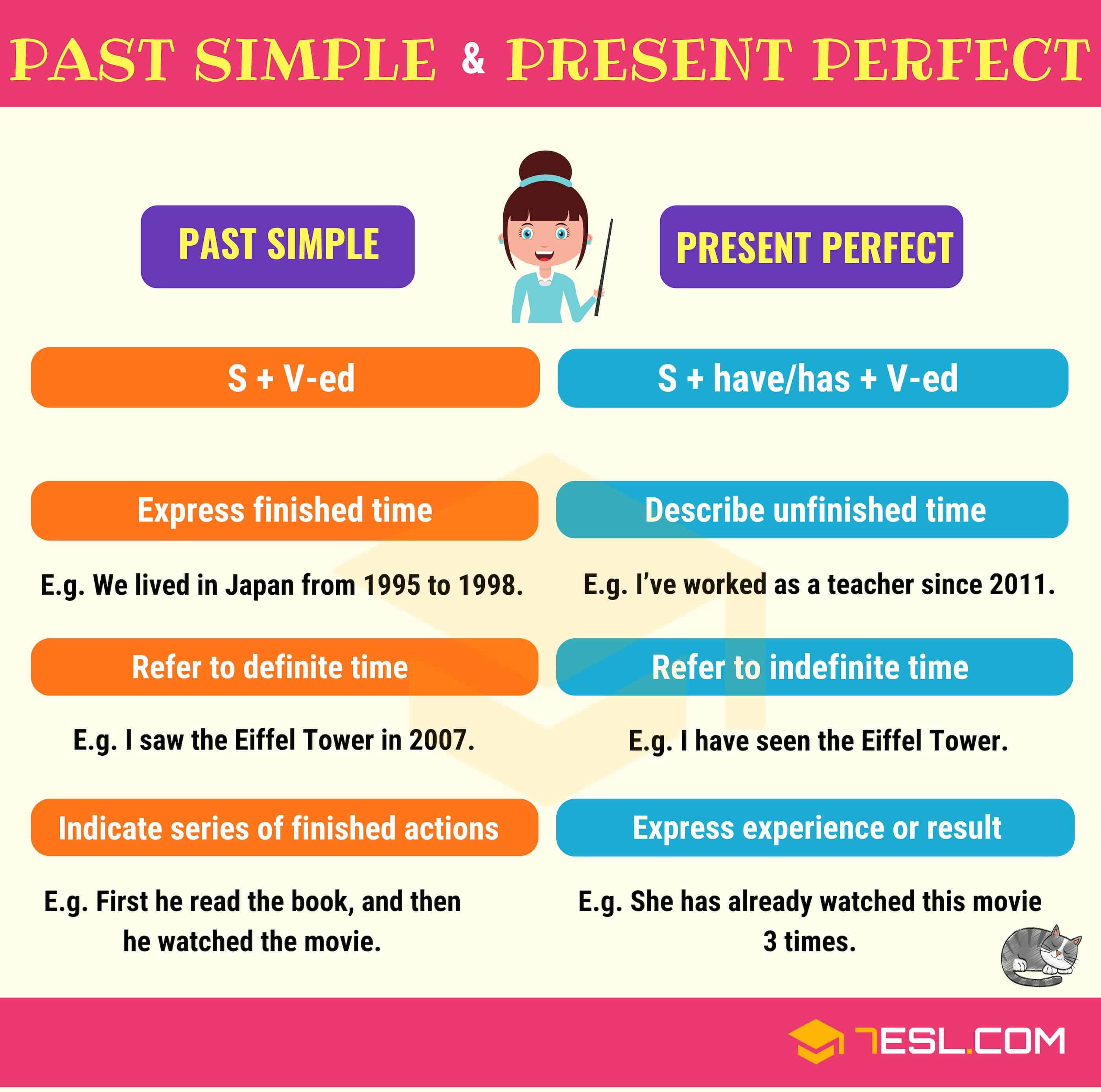
Understanding the difference between simple past and present perfect is essential for speaking and writing English with confidence.
When to use the simple past
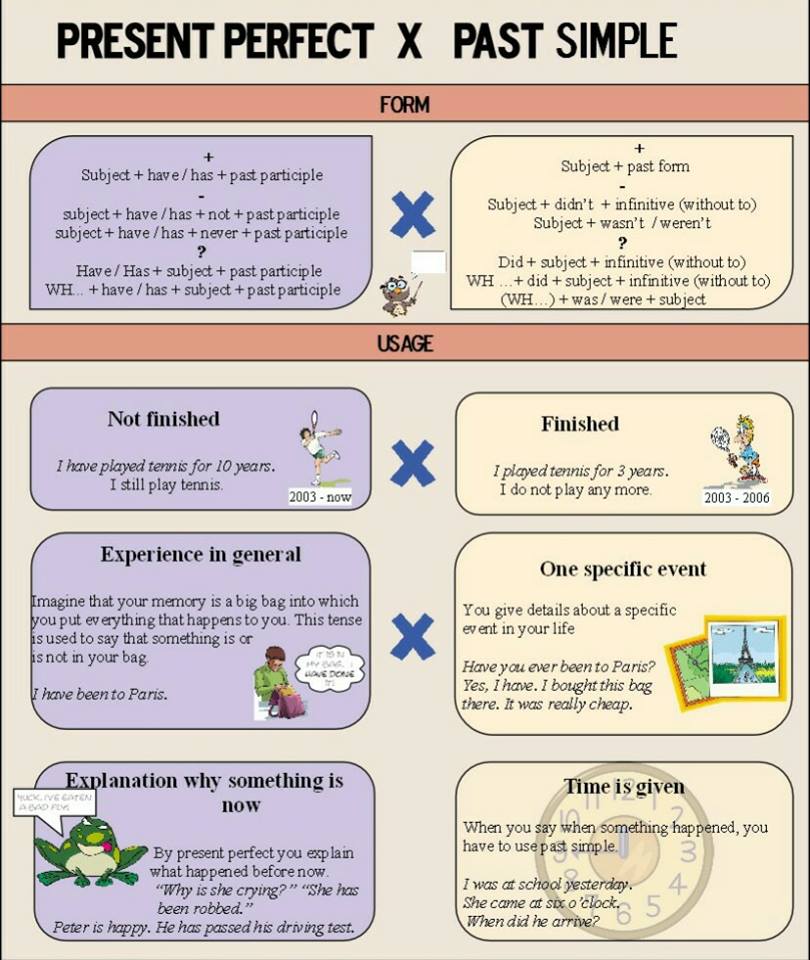
The simple past tense is your go to choice when you talk about finished actions at a clear, specific time in the past. You mention when something happened, whether it is yesterday, last year, or at 8 o'clock this morning, so the time frame is completed and closed. For example, you might say, I visited my grandmother last weekend, or The train left at 6:15, and in both cases the moment is finished and cannot be changed.
With the simple past, the action stands alone in the past, and it usually has a direct link to the present only through its result or memory, not through its current relevance. If you say, I saw that movie in 2015, the focus is entirely on 2015, not on how it influences you now. This tense is also the natural choice for narrating stories, describing sequences of completed events, or talking about habits that no longer continue, such as When I was a child, I walked to school every day.
When to use the present perfect
The present perfect tense connects the past with the present, highlighting that an action happened at an unspecific time before now or that its effects are still relevant. You choose this tense when the exact moment is not important, or when you want to emphasize experience, change, or unfinished time periods. Common markers include just, already, yet, ever, never, for, and since, and you often hear sentences like I have already eaten, Have you ever been to Japan, or She has lived here for ten years.
Because the present perfect reaches from the past into the present, it often appears in news headlines, personal updates, and conversation when the speaker wants to show that a past situation still matters. For instance, The economy has grown, but inflation has remained high focuses on the current situation shaped by past growth. The present perfect is also the standard choice for talking about life experiences without stating when they happened, as in I have visited three continents, which keeps the focus on your overall history rather than on a single trip.
Key time markers that guide your choice
Certain words act as clear signals for which tense to use, because they refer to either a finished point in time or an open period that includes the present. Time markers that usually require the simple past include yesterday, last week, in 1999, two days ago, and when, while, and after followed by a specific past reference. If your sentence mentions a completed moment, the simple past is the natural fit.

- Yesterday I called my friend.
- They arrived at noon.
- We watched the match last night.
In contrast, time markers such as ever, never, already, yet, just, so far, up to now, and for two hours point toward the present perfect, because they refer to an unfinished period or an experience without fixing it to a precise moment. For example, Have you ever tried sushi focuses on your entire life up to now, while I have just checked my email highlights a very recent action with present relevance.
Contrast in a single situation
Looking at the same situation with each tense reveals how simple past and present perfect shift the focus. With the simple past, you highlight the completed action and its specific time, while with the present perfect you highlight its connection to the current moment or its ongoing result. Consider the difference between I lost my keys yesterday, which tells a finished story, and I have lost my keys, which stresses that you still do not have them now.
Another clear contrast appears in news and personal messages. The simple past might say, The minister resigned yesterday, treating the event as a finished fact, while the present perfect says, The minister has resigned, emphasizing the current political situation and its effects. By choosing one tense over the other, you subtly guide your listener or reader to focus either on the past detail or on its present importance.

Common mistakes and how to avoid them
Learners often mix simple past and present perfect when the time reference is the key clue. You might be tempted to say I have seen that film last night, but because last night is a finished, specific time, the correct form is I saw that film last night. Whenever your sentence contains a completed time expression such as yesterday, ago, or in 2020, default to the simple past.
On the other hand, avoid using the simple past in situations where the moment is not specified and the present relevance matters. Saying I visited Paris is not wrong, but it sounds like a brief statement about a past trip, whereas I have visited Paris suggests that the experience is part of your life story and possibly connected to now. Paying attention to whether your focus is on a finished point or on present impact will guide you to choose the correct tense more naturally.
Building intuition through practice
With regular practice, choosing between simple past and present perfect becomes almost automatic, especially when you listen for how native speakers refer to finished moments and ongoing connections. Try summarizing your day using both tenses, noting which situations feel like closed chapters and which ones still matter at this moment. Over time, you will notice patterns, such as using the present perfect for recent experiences with unclear timing and the simple past for stories and scheduled events.
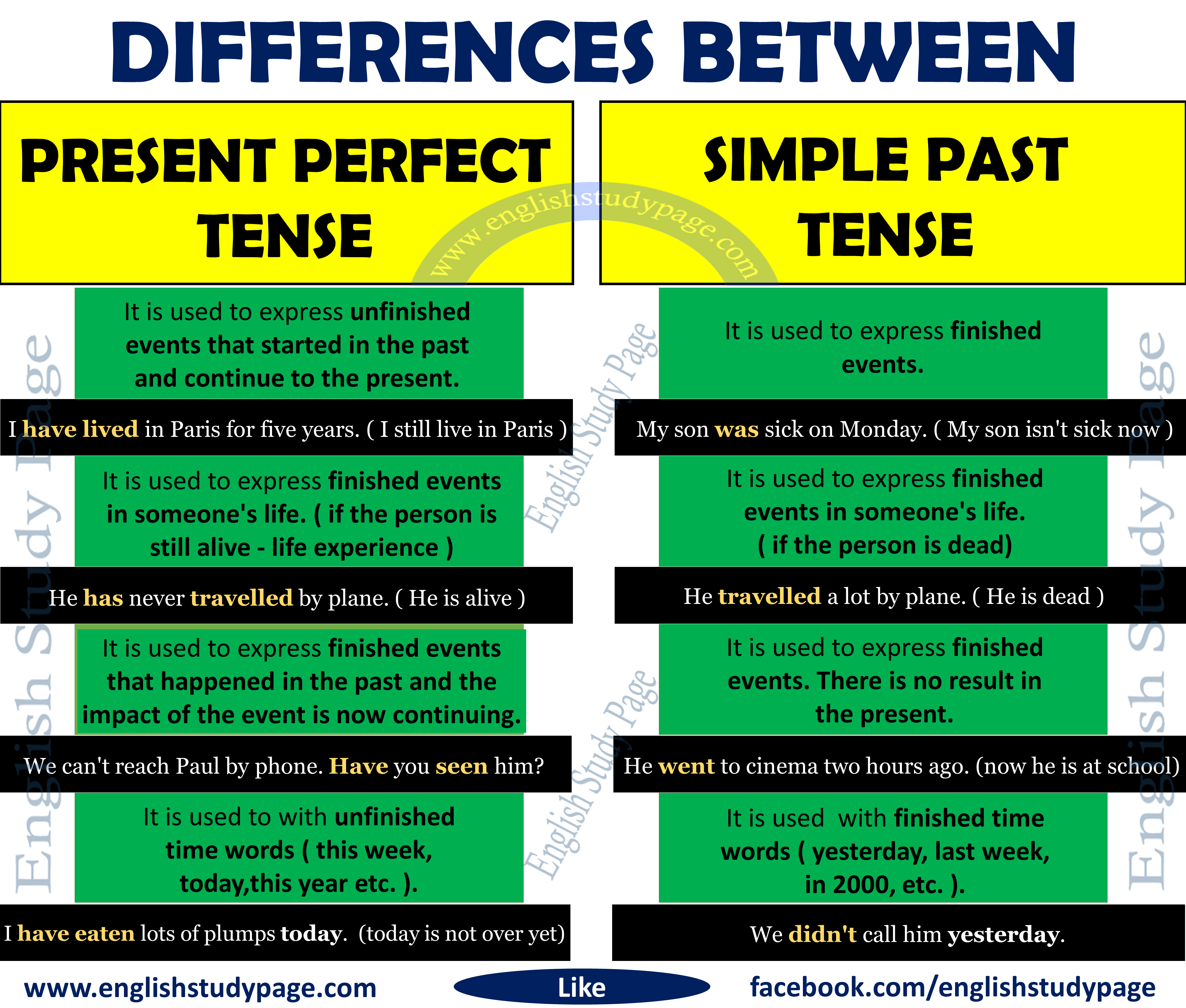
Reading news articles, chatting with friends, and writing short updates about your life give you plenty of chances to experiment with simple past and present perfect in real contexts. As you compare your sentences with examples you hear or read, you build a feel for when the past is simply finished and when it continues to echo into the present. This awareness turns grammar rules into useful tools that help you express your experiences clearly and confidently.
Conclusion
Mastering the contrast between simple past and present perfect sharpens your storytelling, improves clarity, and helps you convey whether a past action is closed or still alive in the present.
Present Perfect or Past Simple? - English Grammar lesson
Welcome back to Learn English with Papa Teach Me. I'm Aly, and this is the best English class on YouTube! Today you'll learn ...
