St. Peter's Basilica

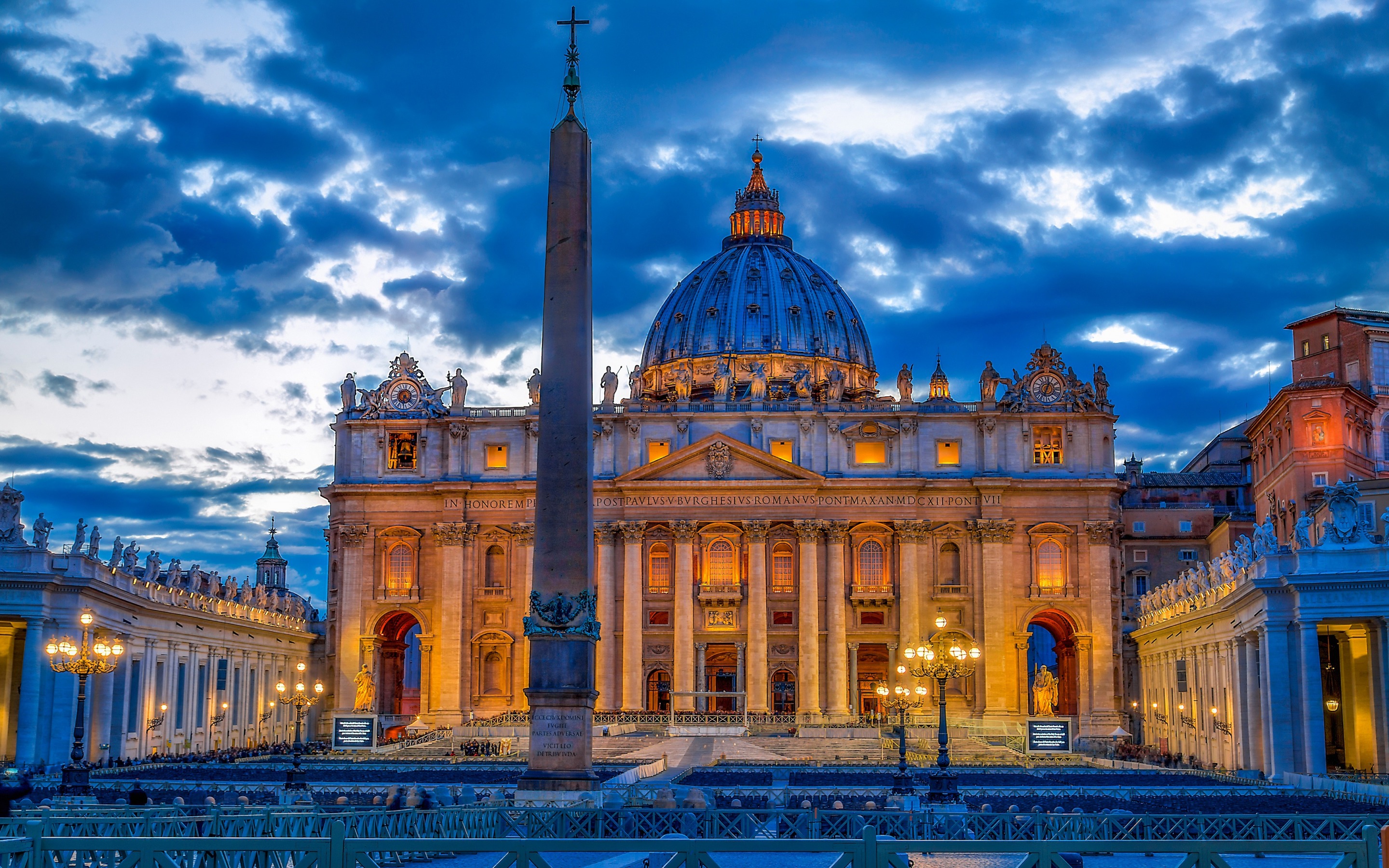
Standing at the heart of the Vatican City, St. Peter's Basilica is one of the most awe-inspiring destinations for travelers, history enthusiasts, and spiritual pilgrims alike. This magnificent Renaissance basilica is not only a global symbol of Catholic faith but also an architectural masterpiece that has shaped the skyline of Rome for centuries.
Historical Origins and Religious Significance
The history of St. Peter's Basilica begins over a millennium ago with the martyrdom of Saint Peter, one of Jesus's twelve apostles, who is believed to be buried beneath the main altar. Early Christians erected a modest shrine on this site, and over time it evolved into a grand church that reflects the theological and artistic ambitions of the Church. The current basilica, largely completed in the 17th century, replaced the aging Old St. Peter's Basilica commissioned by Emperor Constantine, marking a new era in sacred architecture.
For Catholics around the world, this sacred space represents the living continuity of apostolic tradition. The basilica serves as the Vatican's principal church, where major liturgical celebrations take place and where the Pope addresses millions of faithful. Its spiritual resonance extends far beyond its walls, making it a powerful center for worship, reflection, and pilgrimage.

Architectural Brilliance and Design Elements
Designed by some of the greatest architects and artists of the Renaissance and Baroque periods, including Donato Bramante, Michelangelo, Carlo Maderno, and Gian Lorenzo Bernini, St. Peter's Basilica showcases an extraordinary fusion of classical and Christian design. The harmonious proportions of the Greek-cross plan, crowned by a majestic dome engineered by Michelangelo, create a sense of balance and grandeur that has influenced Western architecture for centuries.
Inside, the basilica reveals a breathtaking array of artistic details, from intricate mosaics and gilded stucco to monumental sculptures and ornate chapels. The use of light, marble, and spatial dynamics transforms the interior into a theatrical experience that guides the visitor's gaze toward the altar and the celestial dome above.
- Central dome designed by Michelangelo, inspired by the Pantheon
- Gian Lorenzo Bernini's stunning Baldacchino, a bronze canopy over the main altar
- The emotive Pietà sculpture by a young Michelangelo, located in the first chapel on the right
- Elaborate floor mosaics and frescoes that narrate biblical stories and saints' lives
The Artistic Treasures Within
Art lovers will find an unparalleled collection of masterpieces within St. Peter's Basilica, where every corner reveals a new testament to human creativity and devotion. The basilica houses some of the most iconic works of art from the Renaissance, many of which were commissioned by the most powerful patrons of the time.
/interior-of-st--peters-basilica--rome-681958870-5c88188e46e0fb00017b31a8.jpg)
Among the most celebrated works is Michelangelo's Pietà, a hauntingly beautiful marble sculpture that captures the Virgin Mary cradling the lifeless body of Christ. Other highlights include Bernini's emotive bronze statue of St. Longinus and the richly decorated papal tombs, which serve as historical records of the Church's leadership through the centuries.
Exploring the Basilica's Sacred Spaces
Visitors to St. Peter's Basilica can explore a variety of distinct areas, each with its own story and visual impact. The nave, lined with towering columns and statues of saints, leads the eye toward the monumental main altar surrounded by a stunning canopy. The choir area, with its magnificent organ and intricate inlays, offers a more intimate setting for contemplation.
The chapels scattered throughout the basilica house precious relics, tombs of popes, and artistic treasures that deserve quiet attention. The right transept, for example, contains the Chapel of the Madonna della Colonnella, while the left offers access to the breathtaking view from the basilica's roof.
- The main nave, designed to accommodate thousands of worshippers
- The choir and organ loft with their ornate decoration
- The various chapels dedicated to saints and featuring unique artwork
- The crypts and treasury, which preserve liturgical objects and historical artifacts
Visitor Experience and Practical Information
Experiencing St. Peter's Basilica in person is a sensory journey that combines spiritual awe, visual splendor, and historical depth. Whether you attend a papal audience, admire the architecture from the square, or quietly wander through the aisles, the basilica offers a unique encounter with art, faith, and history. Dress modestly, as this is an active place of worship, and be prepared for crowds, especially during major religious events and tourist seasons.
Planning your visit carefully can enhance your experience significantly. Consider visiting early in the morning or late in the afternoon to avoid peak heat and crowds. While entry to the basilica is generally free, there may be lines for security checks, so patience and preparation are key. Remember to silence your phone and take time to simply absorb the atmosphere rather than rushing through the space.
The Enduring Legacy of St. Peter's Basilica
St. Peter's Basilica continues to inspire millions of visitors each year, serving as a bridge between the past and the present. Its enduring presence in the heart of Rome reflects the city's layered history, where ancient traditions meet contemporary life. The basilica stands not only as a testament to religious devotion but also as a celebration of human artistic and architectural achievement.

As you leave this monumental space, you carry with you a deeper understanding of how art, faith, and history intertwine to create places of lasting meaning. St. Peter's Basilica remains a living symbol of continuity, beauty, and spiritual aspiration, inviting all who enter to pause, reflect, and marvel.
St Peter's Basilica Explained
Join me in exploring St Peter's Basilica at the Vatican and discover all the intricate details you need to know to understand the ...
