The Emperor's Clothing

The emperor’s clothing has fascinated storytellers and readers for centuries, turning a simple tale into a mirror for vanity, power, and collective self-deception.
Origin and Historical Context of the Emperor’s Clothing Legend
The most famous version of the emperor’s clothing story comes from Hans Christian Andersen’s short tale, where two weavers promise to create an invisible suit for a vain ruler. In the original Danish text, the emperor parades through the streets in “nothing at all,” and a child finally cries out that he is wearing no clothes, exposing the pretense that had governed the entire court.
Although Andersen framed the story as a fairy tale, it draws on older motifs found across cultures, where rulers and their advisors fear being seen as ignorant or unworthy. The legend resonates because it touches on a universal truth: when people prioritize image over honesty, they build elaborate illusions that can collapse in an instant when someone speaks plainly.

Symbolism Behind the Invisible Garment
At its core, the emperor’s clothing represents the power of social pressure and the fear of standing out. The courtiers pretend to see magnificent fabrics because they dread being labeled foolish or unfit for their positions, and this shared pretense becomes a kind of invisible uniform that binds the entire group.
The invisible suit also symbolizes how authority can be reinforced not by substance, but by performance. When everyone insists that the emperor is wearing something splendid, they reinforce a hierarchy in which questioning the ruler becomes more threatening than living with the obvious absurdity.
Psychological Mechanisms That Sustain the Illusion
Several psychological forces keep the illusion alive in the story and in real life. Pluralistic ignorance occurs when individuals privately doubt a situation but assume that others accept it, so they go along with the group.
Imposter syndrome among courtiers makes them overvalue the supposed expertise of the weavers, while groupthink discourages any early voice that might break the pattern. The story shows how easily rational judgment can be drowned out by the desire to appear competent and loyal in the eyes of those in power.
Modern Manifestations in Politics and Media
In contemporary settings, the emperor’s clothing appears whenever impressive language masks weak plans or empty promises. Political speeches filled with jargon, branding, and heroic narratives can function like the invisible suit, convincing observers that substance exists when it may not.
Media and advertising amplify these effects by curating images that suggest success, happiness, or status, even when the underlying reality is far more ordinary. Recognizing these moments requires the same courage that the child in the story displayed, a willingness to name the truth even when it challenges carefully maintained illusions.

Lessons for Leadership and Organizational Culture
Leaders who surround themselves with yes-people risk living inside a palace of emperor’s clothing, unaware that their decisions are based on flattery rather than facts. Healthy organizations encourage constructive dissent, anonymous feedback, and open questioning so that uncomfortable truths can surface before they become crises.
When teams cultivate psychological safety, members feel secure enough to point out inconsistencies, challenge assumptions, and admit mistakes. This culture turns the lesson of the tale into a practical advantage, transforming vulnerability into strength and making it easier to correct course before the parade reaches the town square.
How to Recognize and Challenge the Emperor’s Clothing in Everyday Life
Developing a habit of gentle skepticism can protect you from being convinced by impressive-sounding ideas that lack substance. Ask clarifying questions, seek out disconfirming evidence, and pay attention to who benefits when a dazzling proposal is accepted without scrutiny.
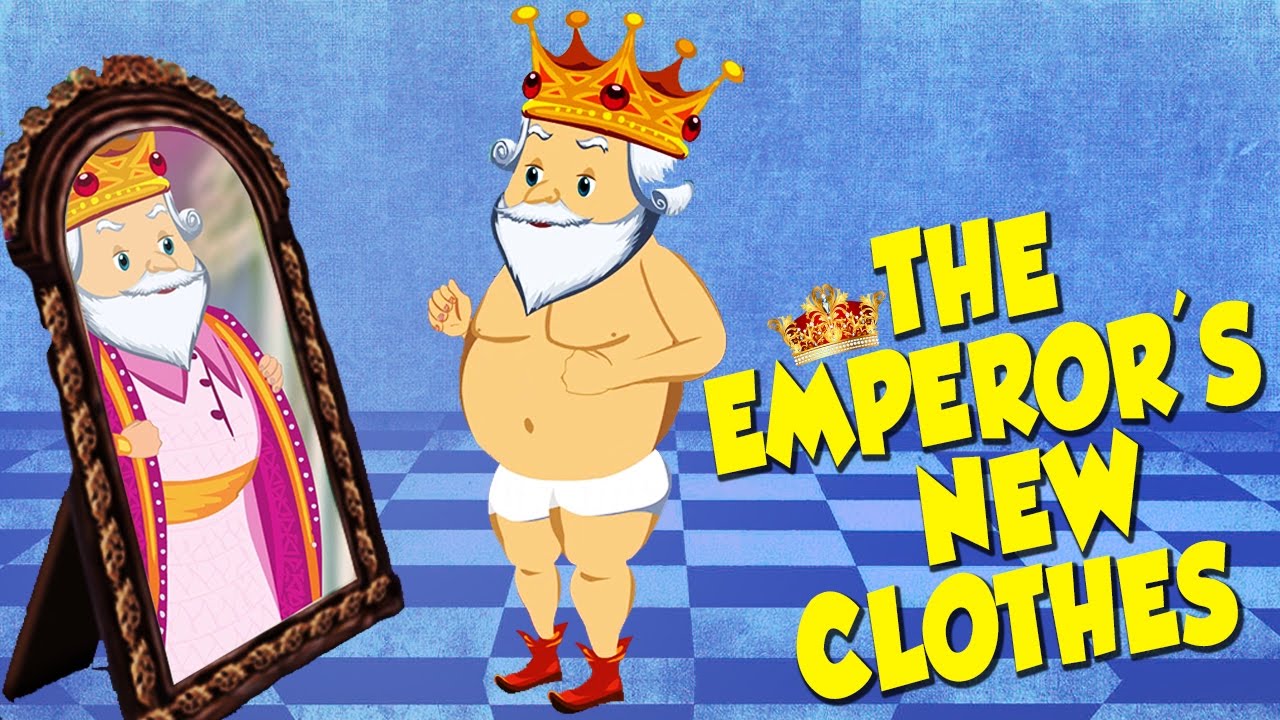
At the same time, it is important to deliver truth with empathy, remembering that the original storyteller softened the blow by framing the child’s revelation as innocent and spontaneous. Sharing observations in a spirit of collaboration rather than accusation makes it easier for groups to adjust their vision and replace illusion with workable solutions.
Ultimately, the emperor’s clothing endures because it captures a tension between appearance and reality that plays out in every community, workplace, and culture. By noticing when invisible suits are being presented as real, we free ourselves to value honesty over prestige and to build environments where truth can be spoken without fear.
The Emperor's New Clothes - UK English accent (TheFableCottage.com)
Once there was a vain emperor who loved bragging about his own intelligence. But when a dishonest tailor sells him some ...
