Washington's Birthday Holiday

Washington's Birthday Holiday honors the nation's first president and remains a fixed part of the American calendar, observed on the third Monday in February.
The History and Origins of Washington's Birthday
George Washington was born on February 22, 1732, and his birthday was first celebrated unofficially during his lifetime. After his death, the day became a de facto patriotic tradition, and in 1879 Congress made it a federal holiday for the District of Columbia. The expansion to all federal employees came in 1885, cementing the Washington's Birthday Holiday as a national observance tied to the legacy of the founding father.
Over time, the holiday evolved in practice and perception. Many states began combining it with celebrations of other presidents, most notably Abraham Lincoln, whose birthday falls in mid-February. This blending of figures contributed to the modern association with Presidents Day, even though the official name at the federal level remains Washington's Birthday. The Uniform Monday Holiday Act of 1968 shifted the observance to the third Monday in February, creating a three-day weekend and shaping the commercial and cultural character of the season.

Federal Observance and Official Recognition
Under federal law, Washington's Birthday Holiday is designated specifically to honor George Washington and his contributions to the founding of the United States. Federal offices, including postal services and courts, generally close on this day, and federal employees are granted paid time off. The precise legal designation helps preserve the original intent of the holiday, even as popular usage has broadened its scope.
It is important to distinguish the official title from common alternate names. While many citizens refer to the day as Presidents Day or President's Day, the formal federal designation has not changed. States may issue their own proclamations or add state-level observances, but the core Washington's Birthday Holiday at the national level maintains a clear focus on the first president. Understanding this distinction supports more accurate historical education and public communication.
How People Celebrate Across the United States
Communities mark Washington's Birthday Holiday with a variety of events, from reenactments and historical lectures to parades and ceremonies at monuments. Schools often use the occasion to teach students about George Washington's leadership, the Revolutionary War, and the principles of civic responsibility. Families may take advantage of the long weekend for travel, outdoor activities, or local festivities, blending remembrance with leisure.

Retailers and advertisers frequently leverage the three-day period to promote sales, using phrases such as Presidents Day deals or holiday-themed discounts. While these commercial activities differ from the original intent, they help keep the date visible in public life. Many organizations also highlight volunteer opportunities or community service projects, turning the Washington's Birthday Holiday into a day of both reflection and action.
Modern Debates and Proposed Changes
Some advocates argue that the holiday should more explicitly honor all U.S. presidents rather than focusing primarily on George Washington. These suggestions have fueled discussions about renaming the day to Presidents Day in federal law, which would align the official title with widespread popular usage. Others contend that preserving the specific name Washington's Birthday Holiday is essential to maintaining historical accuracy and respect for the nation's founding.
Another point of debate centers on the commercialization and shifting meaning of the day. Critics note that aggressive marketing can overshadow the educational and commemorative potential of the holiday. In response, educators and historians encourage schools and media to use the long weekend as a platform for deeper engagement with primary sources, historical documents, and discussions about citizenship and leadership.
Regional Variations and State-Level Recognition
Individual states have considerable latitude in how they recognize the date, leading to a patchwork of observances across the country. Some states celebrate Washington's Birthday Holiday as a distinct holiday, while others combine it with celebrations of other historical figures or state-specific events. In certain regions, the day may be officially labeled as Presidents Day, reflecting local traditions and legislative decisions.

These regional differences can affect everything from government office closures to school curricula and local events. Travelers and residents alike may notice variations in business hours, public ceremonies, and promotional campaigns depending on where they are. Understanding these nuances helps people navigate the holiday with greater awareness of both its national significance and local character.
Looking Ahead: The Enduring Legacy of Washington's Birthday Holiday
Washington's Birthday Holiday continues to serve as a reminder of the nation's origins and the leadership of its first president. As historical perspectives evolve, the holiday offers an opportunity to revisit the principles of integrity, perseverance, and public service associated with George Washington. By examining both the official history and contemporary practices, people can develop a richer appreciation for the day.
Whether observed through quiet reflection, educational activities, or time with loved ones, the holiday remains a meaningful pause in the rhythm of the year. Its evolution from a strict federal observance to a widely recognized cultural marker demonstrates how traditions adapt while retaining core significance. Embracing both the historical roots and the present-day expressions ensures that Washington's Birthday Holiday remains relevant and instructive for future generations.
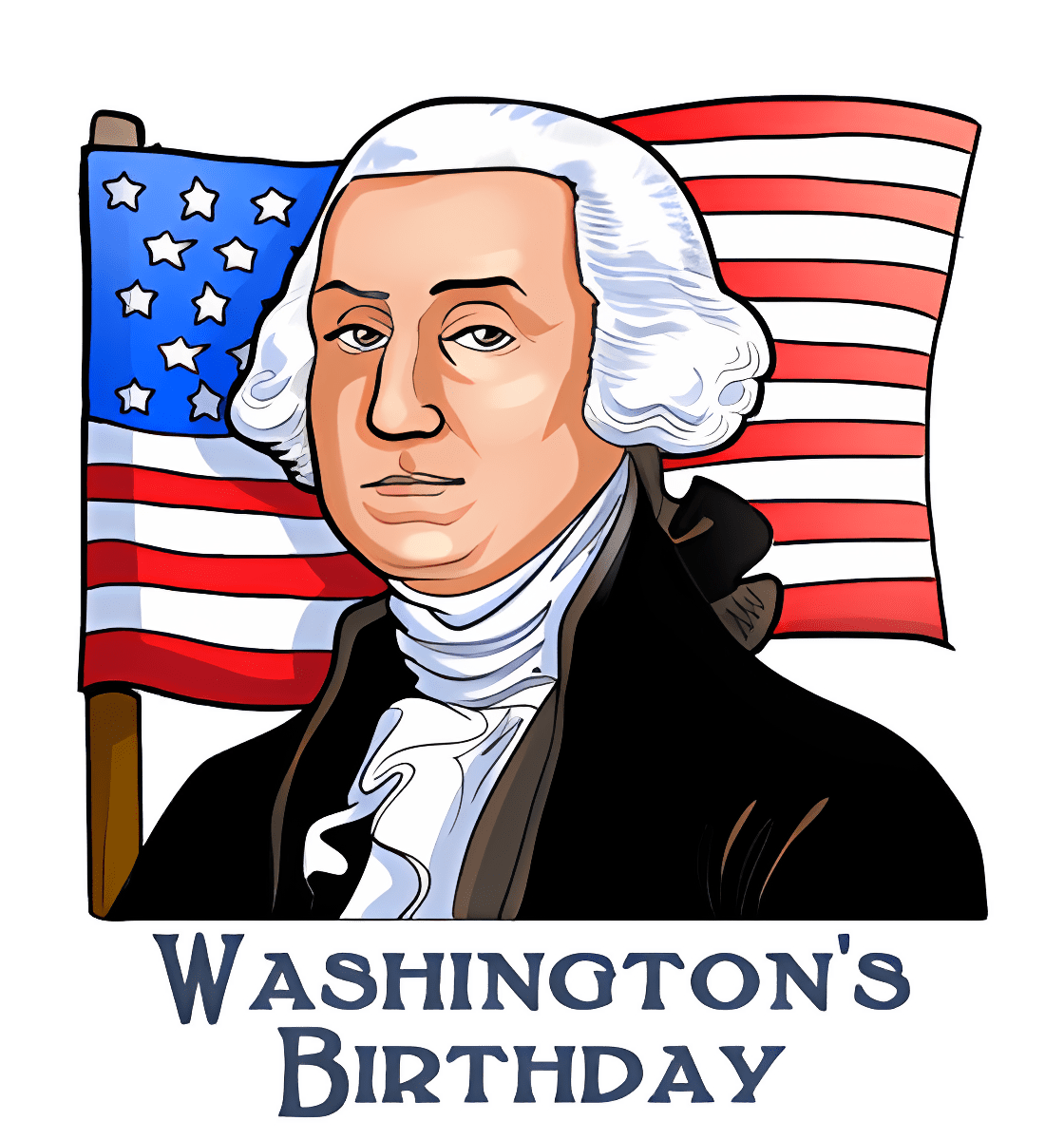
Why Washington’s Birthday is a Holiday #PresidentsDay #History #GeorgeWashington #usa
Is Presidents Day just about sales and long weekends, or have we forgotten its true meaning? Discover the fascinating history ...
