What Is A Construction Site

A construction site is a dynamic environment where plans turn into tangible structures, bringing together people, equipment, and materials to create the buildings and infrastructure that shape our communities.
Definition and Core Purpose of a Construction Site
At its most basic level, a construction site is a designated area where construction or renovation work takes place. It is the physical manifestation of a design, where architects drawings, engineering calculations, and project specifications come to life through coordinated effort. This space is carefully managed to ensure that the right work happens in the right place at the right time, balancing productivity with safety and quality.
The primary purpose of any construction site is to deliver a project according to its scope, budget, and schedule. This involves a wide range of activities, from initial ground preparation and excavation to the final stages of finishing and commissioning. Every task, whether it is pouring concrete, installing electrical systems, or applying paint, contributes to the overall goal of completing a functional and safe structure. Understanding this definition helps clarify why strict organization and oversight are essential on every job.
Key Components and Physical Layout
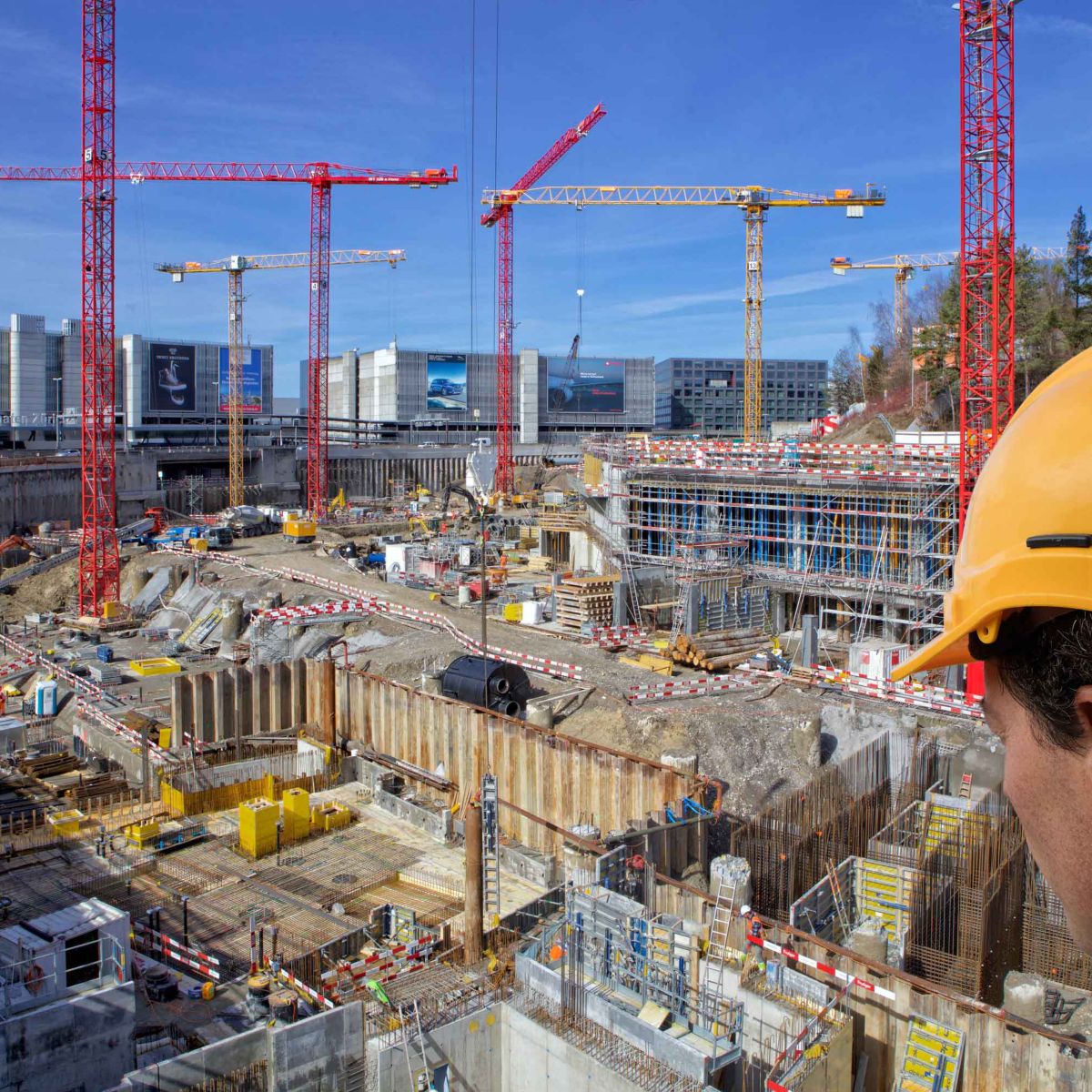
The layout of a construction site is rarely random; it is planned to optimize workflow and minimize risks. You will typically find clearly marked zones for different activities, such as material storage, equipment parking, and active work areas. Barriers, fencing, and signage help define these zones, keeping unauthorized personnel away from hazards and ensuring that workers can move safely between tasks. The efficient use of space is critical, especially in urban environments where room is limited and access must be carefully coordinated.
Essential infrastructure forms the backbone of any active site. This includes access roads, temporary utilities like power and water, and dedicated areas for waste management. Portable offices, storage containers, and site cabins often serve as hubs for administration and tool storage. Together, these elements create a temporary but functional working environment that supports the construction process from start to finish.
Major Activities and Phases of Work
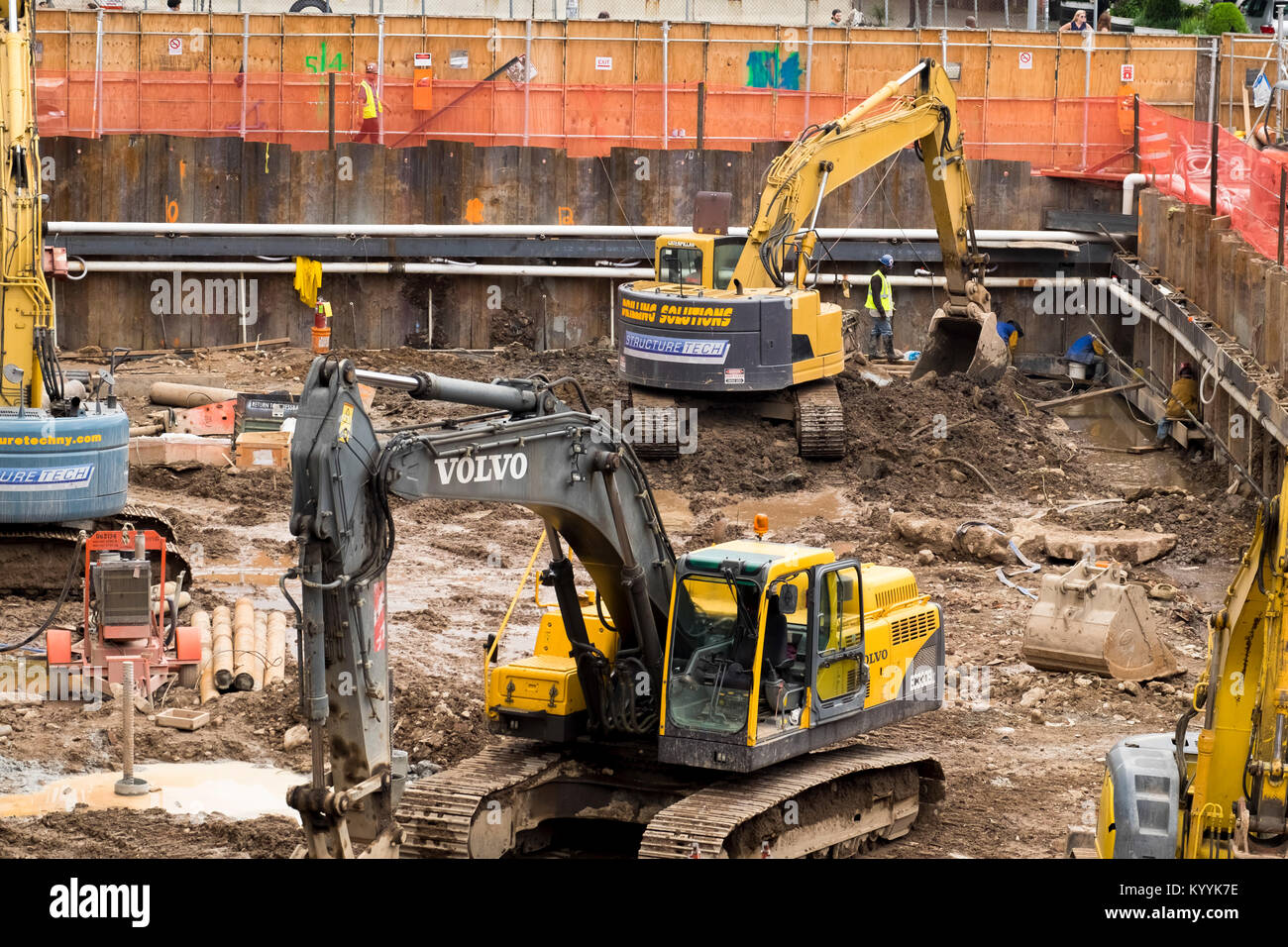
Construction activity generally follows a logical sequence of phases, each with its own set of tasks and challenges. Early stages focus on site preparation, which may involve clearing vegetation, demolishing existing structures, and excavating for foundations. As the ground is prepared, crews move on to structural work, including framing, roofing, and installing essential systems such as plumbing and HVAC. Each phase builds on the previous one, requiring careful coordination to avoid delays and rework.
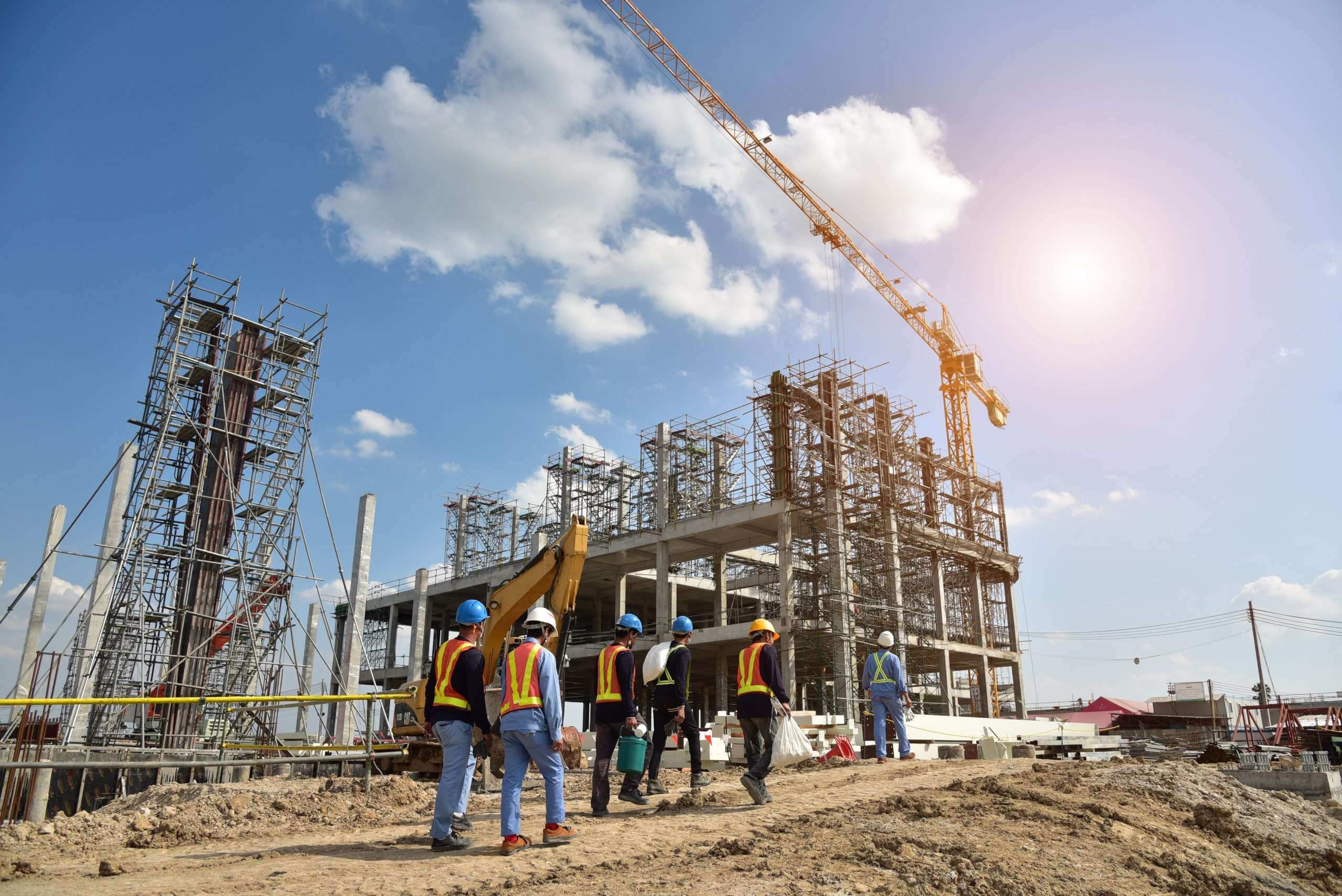
Later stages shift toward finishing and finalization, where interior surfaces are completed, fixtures are installed, and external landscaping is put in place. Throughout the entire process, inspections play a vital role in verifying that work meets legal standards and project specifications. Regular monitoring ensures that safety protocols are followed and that the quality of construction remains consistent from the first pour of concrete to the final walkthrough.
Safety Protocols and Risk Management
Safety is a top priority on every construction site, given the presence of heavy machinery, elevated work, and a variety of potential hazards. Workers are required to wear personal protective equipment, such as helmets, harnesses, and high-visibility clothing, to reduce the risk of injury. Training programs and safety briefings are conducted regularly to ensure that everyone understands the procedures for working safely in a complex environment.
Risk management extends beyond personal safety to include the protection of equipment, materials, and the surrounding community. Secure fencing, proper signage, and controlled access help prevent accidents and theft. Weather conditions, ground stability, and emergency response plans are also carefully monitored to mitigate unexpected disruptions. By maintaining strict safety protocols, construction teams can protect people and property while keeping projects on track.
Environmental Considerations and Sustainability
Modern construction sites are increasingly expected to minimize their environmental impact through responsible practices. This includes managing dust, noise, and runoff to avoid disturbing nearby residents and ecosystems. Contractors often implement erosion control measures, use low-emission equipment, and recycle construction waste wherever possible. These efforts contribute to a cleaner, healthier environment both during and after construction.
Sustainability is also reflected in the choice of materials and methods used on site. Many projects now prioritize energy-efficient systems, durable materials, and resource-efficient design to reduce long term environmental footprints. By integrating green practices into daily operations, construction professionals help ensure that new buildings support both current and future community needs.
Project Management and Coordination
Behind every successful construction site is strong project management that coordinates labor, materials, and equipment. Site managers, engineers, and supervisors work together to track progress, solve problems, and communicate with stakeholders. Detailed schedules, often supported by digital tools, help keep each activity aligned with the overall timeline and prevent costly delays.
Effective coordination also involves managing relationships with suppliers, subcontractors, and local authorities. Clear documentation, regular meetings, and transparent reporting help maintain alignment between all parties involved. When teams collaborate efficiently, the construction site becomes a well organized environment where productivity and quality can thrive.
Conclusion
In summary, a construction site is much more than a temporary workspace; it is a carefully organized setting where ideas, skills, and technology converge to create lasting structures. From initial preparation through to final completion, every element of the site is shaped by planning, safety protocols, and a commitment to quality. Understanding what a construction site involves provides valuable insight into how the built environment around us is designed, built, and maintained.
12 Steps of Construction
Once the construction drawings have been approved, the project will then be awarded to a contractor by the client through a ...
