Zenker's Diverticulum

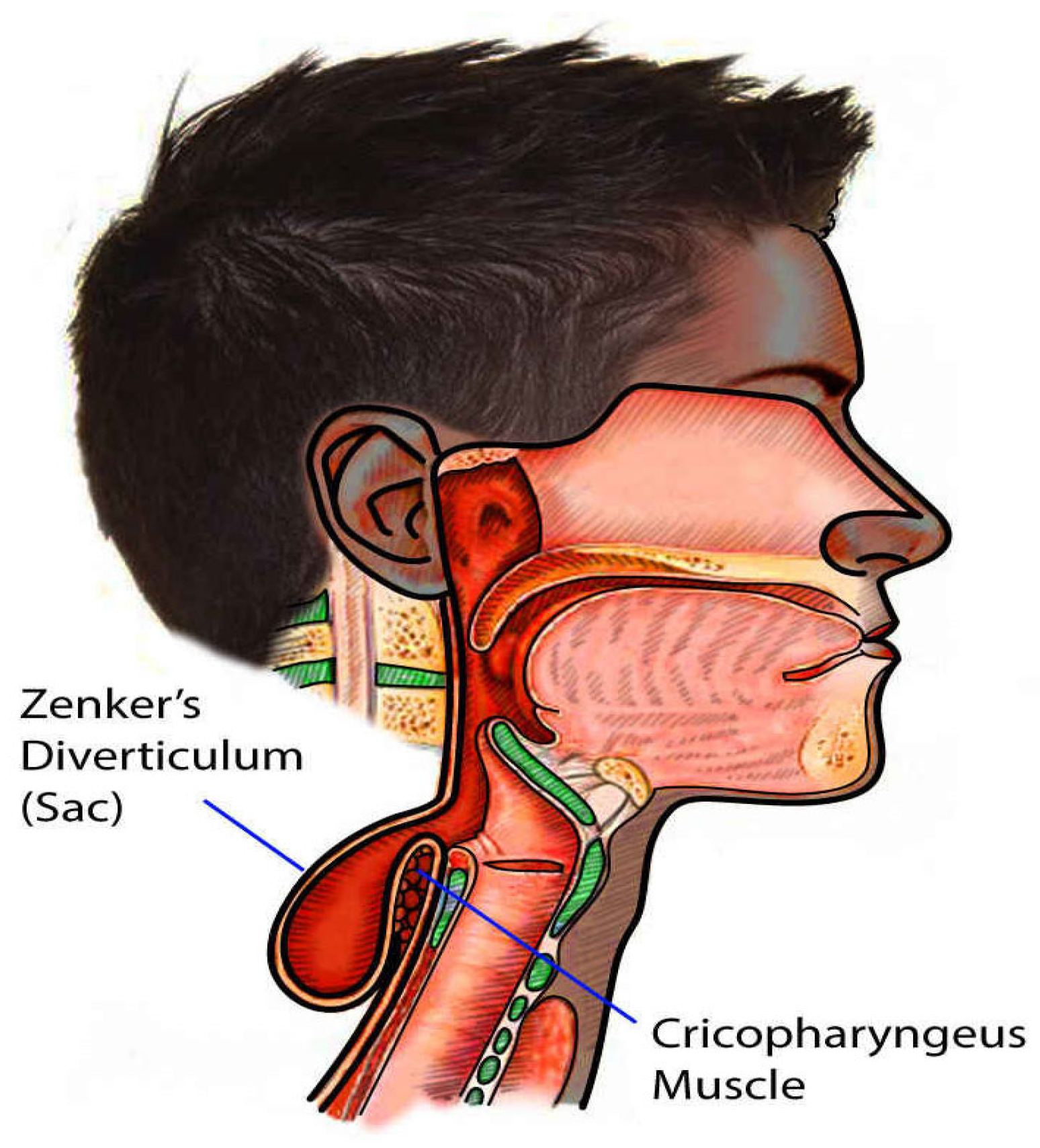
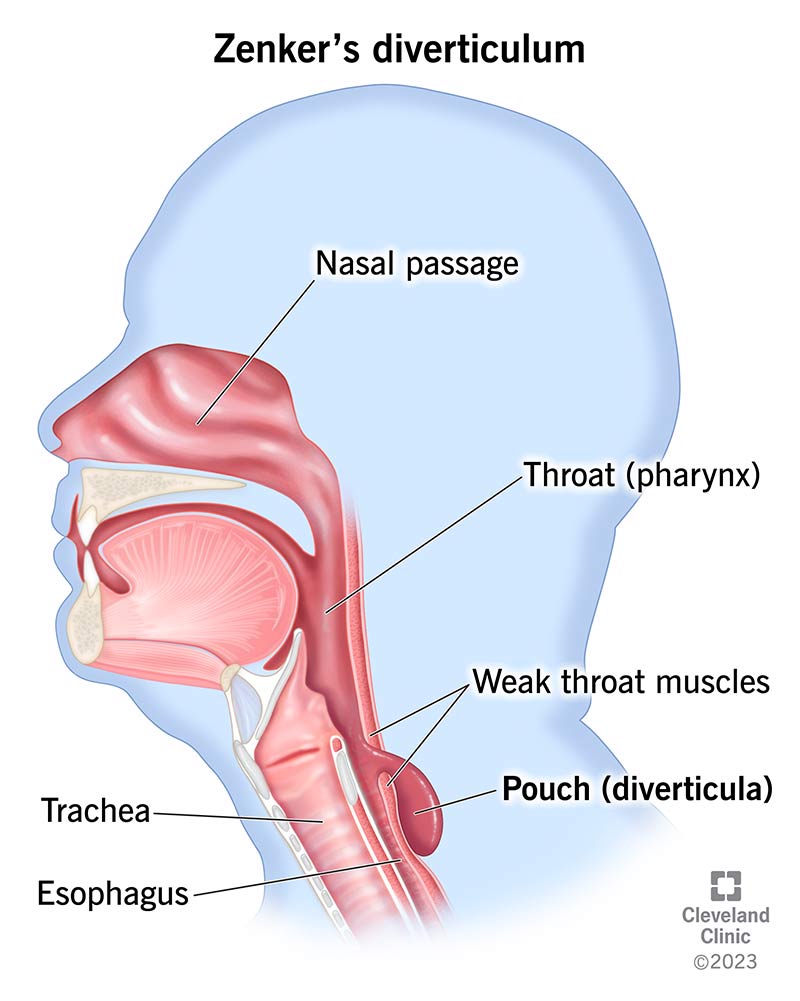
Zenker's diverticulum is a condition in which a small pouch forms in the throat area, just above the upper esophageal sphincter, and this structural abnormality can cause noticeable symptoms such as difficulty swallowing, coughing, and regurgitation of undigested food. While the exact cause is often related to increased pressure during swallowing and dysfunction of the cricopharyngeal muscle, it is more common in older adults and can significantly affect quality of life if not properly evaluated and managed. Understanding the underlying mechanisms, typical signs, and available treatment strategies is important for anyone experiencing persistent throat discomfort or swallowing problems.
What Is Zenker's Diverticulum and How Does It Develop?
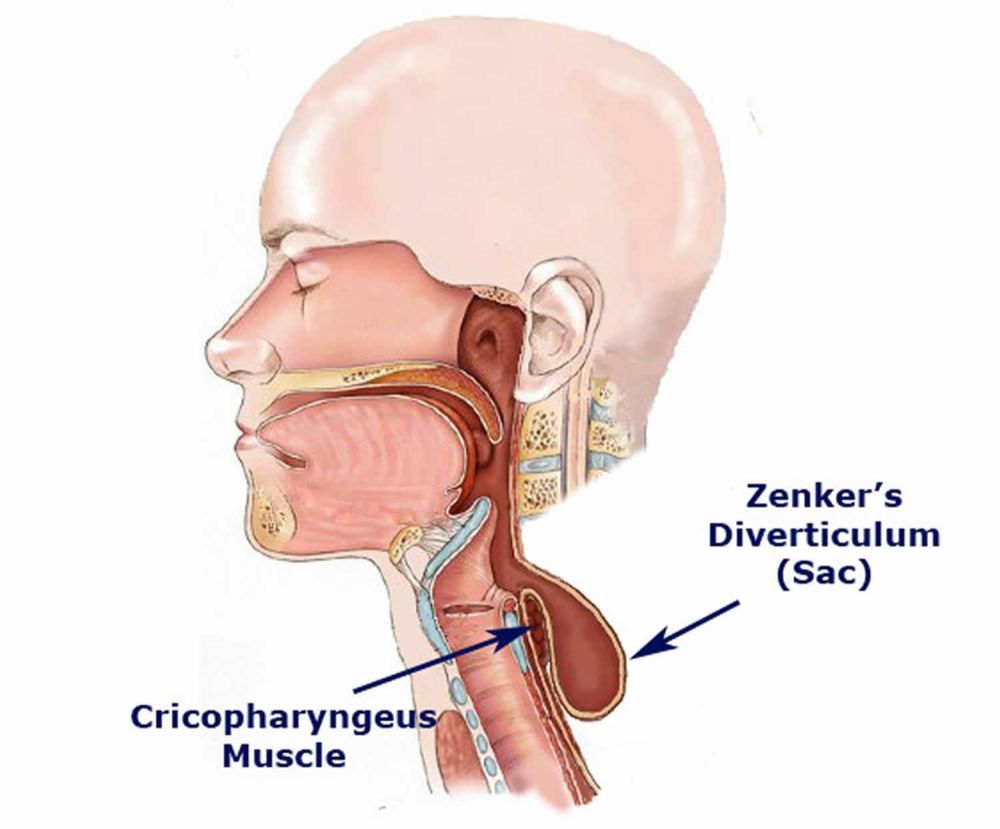
Zenker's diverticulum is a type of pharyngeal diverticulum that occurs when the mucosa and submucosa push outward through a weak point in the muscular wall of the esophagus, specifically in an area called Killian's triangle. This happens because the upper esophageal sphincter, or cricopharyngeus muscle, fails to relax properly during swallowing, leading to increased pressure that forces the pouch to form over time. As the pouch enlarges, it may start to hold food particles and saliva, which can contribute to further swallowing difficulties and discomfort. The condition is classified as a false diverticulum because it involves only the lining and connective tissue, not the full thickness of the esophageal wall.
Several factors can increase the likelihood of developing this problem, including age-related muscle weakness, chronic irritation, and certain neurological conditions that affect swallowing coordination. Although the precise trigger is not always clear, repetitive strain on the pharyngeal muscles appears to play a key role. Recognizing early signs such as a sensation of something stuck in the throat, frequent throat clearing, or coughing after eating can prompt timely medical evaluation and potentially prevent complications like aspiration or malnutrition.
Common Symptoms and Diagnostic Approaches
People with Zenker's diverticulum often experience difficulty swallowing both solids and liquids, a feeling of fullness in the neck, and regurgitation of undigested food hours after eating. Halitosis, or bad breath, can also occur due to food trapped in the pouch, and some individuals report a chronic cough, especially when lying down or bending over. In more advanced cases, weight loss and dehydration may develop because eating becomes uncomfortable or even painful. These symptoms can sometimes be mistaken for other throat or esophageal disorders, which makes a thorough assessment essential.
Diagnosis typically begins with a detailed medical history and a physical examination, followed by specialized tests that allow doctors to visualize the pouch and measure swallowing function. A barium swallow study, where a contrast liquid is observed as it moves through the throat, can clearly show the size and location of the diverticulum. Additionally, an endoscopy may be performed to rule out other conditions, while manometry or pH monitoring might be used to evaluate muscle coordination and reflux. Accurate diagnosis helps guide the most appropriate treatment, whether that involves conservative management or a more definitive procedure.
Nonsurgical Management and Lifestyle Adjustments
For individuals with small diverticula or mild symptoms, conservative strategies may be recommended to improve comfort and reduce complications. Dietary modifications, such as eating softer foods, taking smaller bites, and chewing thoroughly, can make swallowing easier and decrease the amount of material that collects in the pouch. Drinking plenty of water during meals and remaining upright for at least thirty minutes afterward may also help move food down more effectively and minimize regurgitation.
- Adopting a consistent swallowing routine to avoid rushing or talking while eating.
- Performing specific neck and swallowing exercises as guided by a speech-language pathologist.
- Using thicker liquids if recommended, to control flow and reduce coughing.
In some cases, close monitoring without immediate intervention is appropriate, especially when symptoms are manageable and there is no significant weight loss or recurrent aspiration. Regular follow-up with a healthcare provider ensures that any changes are detected early and that treatment can be adjusted as needed.
When Surgical Intervention Becomes Necessary
When Zenker's diverticulum causes persistent symptoms, affects nutrition, or leads to recurrent respiratory issues, surgical treatment is often considered. The goal of surgery is either to remove the pouch (diverticulectomy) or to divide the tight cricopharyngeal muscle (myotomy) to relieve the obstruction and allow normal swallowing. These procedures can be performed using open techniques or, in many cases, through a minimally invasive approach that may reduce recovery time and complications.
Minimally invasive options, such as endoscopic stapling or laser-assisted methods, are increasingly preferred because they typically involve smaller incisions, less pain, and a faster return to normal activities. The choice of technique depends on the size of the diverticulum, the patient's overall health, and the surgeon's expertise. While surgery can significantly improve quality of life, it is important to discuss potential risks, such as infection, bleeding, or changes in voice, with the medical team beforehand.

Recovery, Long-Term Outlook, and Preventive Measures
Recovery after treatment for Zenker's diverticulum varies depending on the procedure performed and individual factors. Many people experience relief from swallowing difficulties quite quickly, though temporary soreness, mild swelling, or changes in voice may occur as the throat heals. Speech-language therapy is often recommended to help retrain swallowing muscles and ensure safe eating and drinking habits. Following medical advice, including dietary recommendations and activity restrictions, can support smoother recovery and reduce the chance of recurrence.
Long-term outcomes are generally positive, especially when the condition is addressed before complications such as severe aspiration or significant weight loss develop. Although Zenker's diverticulum cannot always be prevented, maintaining good overall health, managing reflux, and seeking early care for persistent throat or swallowing symptoms can lower the risk of progression. By staying informed and working closely with healthcare professionals, individuals can effectively manage this condition and maintain a better quality of life.
Overall, Zenker's diverticulum is a treatable condition that becomes more manageable with proper diagnosis and personalized care. Recognizing the warning signs, understanding the available treatment options, and following medical guidance can help people regain comfortable swallowing and improved daily functioning. With the right approach, most individuals are able to address the symptoms effectively and move forward with greater confidence and well-being.
Zenker's Diverticulum: Expert Insights from Mayo Clinic's Dale Ekbom
12-30-25 set private due to copy right claim. (Tim) Learn about Zenker's diverticulum, a condition where a pouch or bulge forms at ...
