China's Capital City
Historical Roots and Imperial Legacy
The story of Beijing as a capital stretches back more than eight centuries, with its origins as a political center dating to the Jin dynasty and its consolidation under Mongol rule during the Yuan dynasty. Later, the Ming and Qing dynasties expanded the city's monumental core, creating the geometrically ordered layout of hutongs, siheyuan courtyards, and grand axial avenues that still shape the urban experience today. Travelers walking through the Drum and Bell Towers or along Nanluoguxiang can sense how everyday life once unfolded within walls that once guarded emperors and courtiers, making the city's historical depth tangible in alleys and side streets.
Key imperial landmarks such as the Forbidden City, the Temple of Heaven, and the Summer Palace reveal the philosophical and administrative ambitions of past rulers, from celestial order expressed in architecture to the careful integration of gardens and ritual spaces. These complexes were designed not only for governance and ceremony but also to reflect a harmonious relationship between humanity and nature, a concept still echoed in the city's ongoing efforts to balance density with parks and green corridors. Preserving these sites while adapting them for modern tourism has become a central task for cultural authorities, ensuring that the imperial legacy remains a living part of contemporary Beijing rather than a frozen relic.
Modern Urban Landscape and Infrastructure
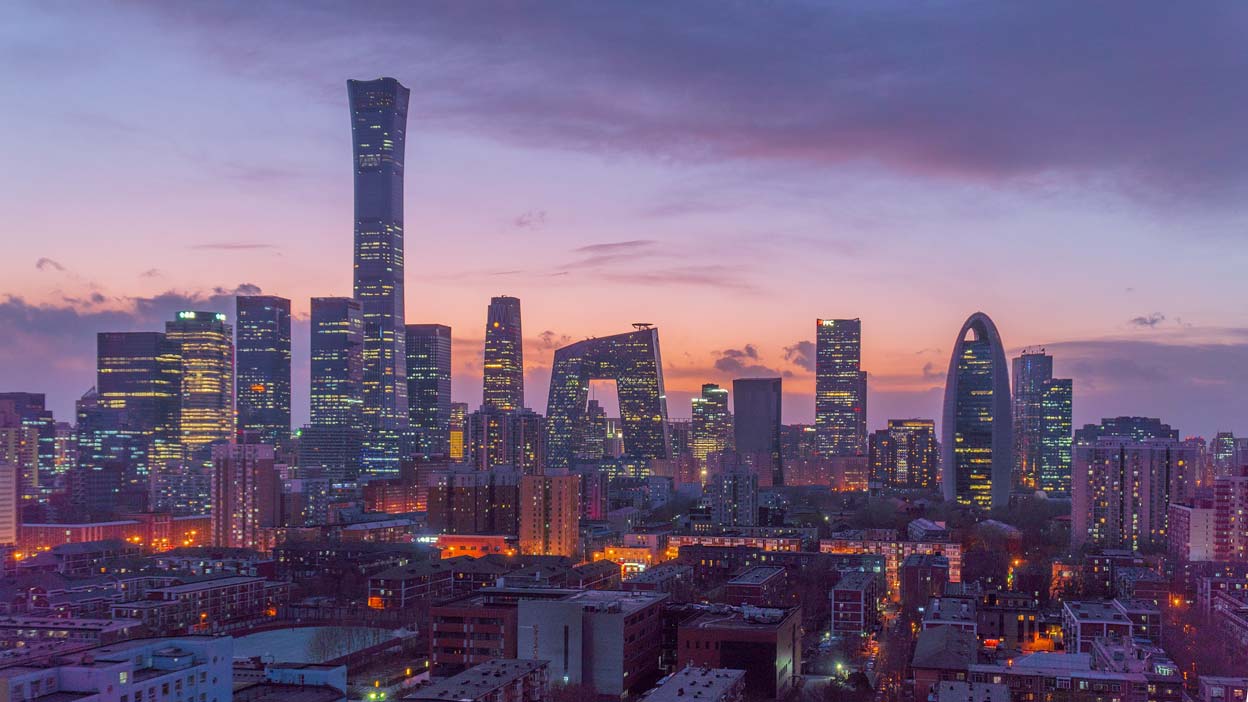
Today's Beijing is a study in contrasts, where sleek glass towers in the Central Business District stand beside renovated hutong neighborhoods, and subway lines built for the Olympics now carry millions of commuters each day. The city's transport network, including its extensive metro system, BRT corridors, and expanding network of bike lanes, reflects a pragmatic response to rapid population growth and environmental concerns. Planners face the ongoing challenge of improving air quality, managing water resources, and integrating peripheral satellite cities into a more coherent metropolitan region without erasing the distinct character of local communities.
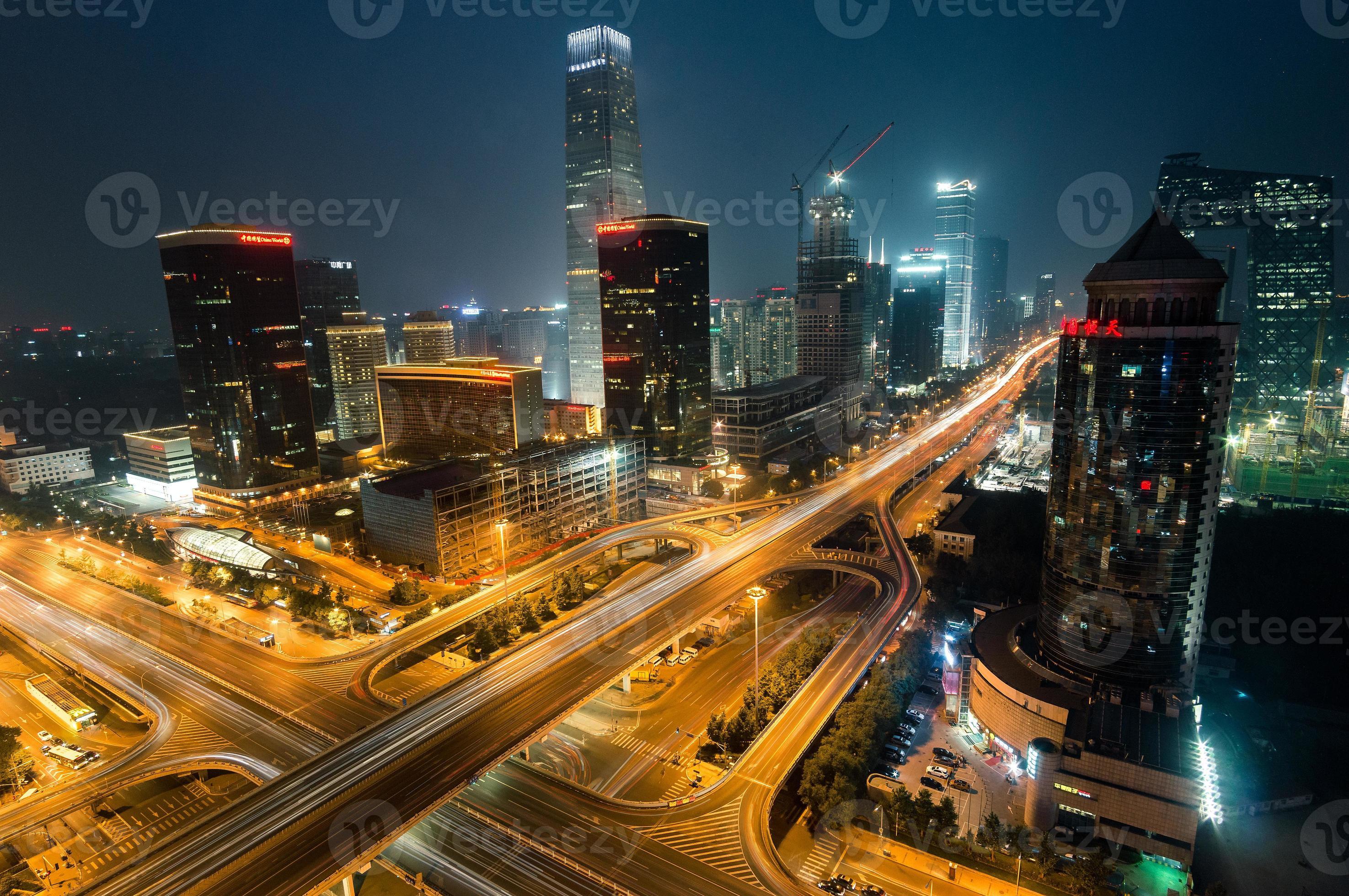
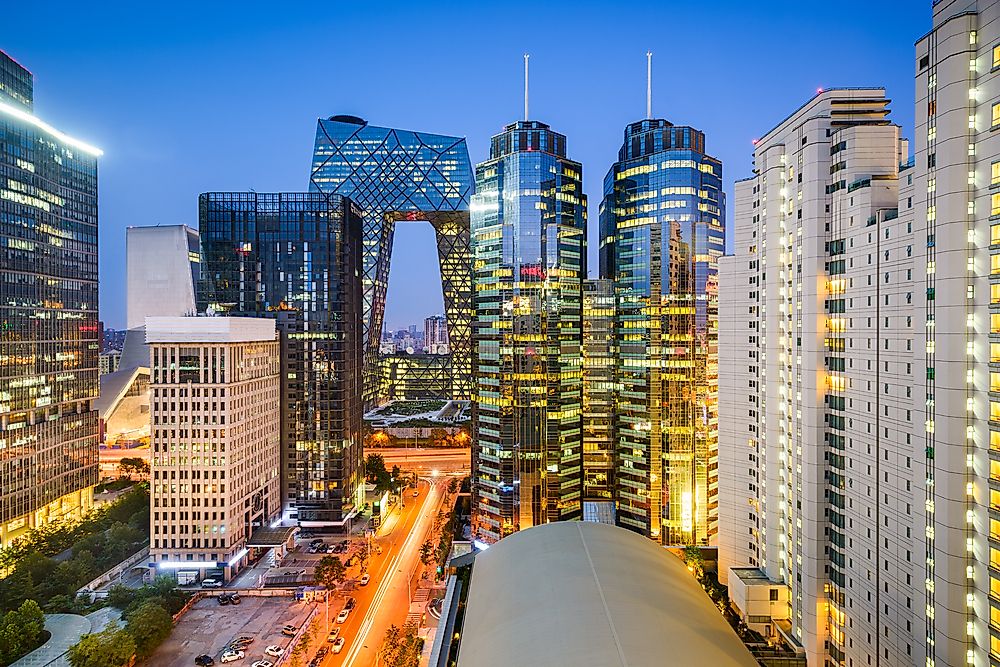
Major urban projects and cultural districts, such as the Beijing Central Business District, the Liangmaqiao diplomatic quarter, and the emerging clusters around research universities, illustrate how the capital continues to reinvent its economic base. At the same time, heritage conservation initiatives seek to protect courtyard homes, traditional markets, and industrial sites converted into art spaces, showing that modernization in Beijing is increasingly attentive to memory and identity. This evolving skyline, punctuated by landmarks like the CCTV headquarters and the fragmented forms of the China Zun, captures the city's ambition to lead in design, technology, and sustainable urbanism.
Culture, Arts, and Everyday Life
Beijing's cultural scene is remarkably diverse, ranging from world-class museums like the Palace Museum and the National Museum of China to experimental galleries in 798 Art Zone and small independent theaters tucked into residential blocks. Traditional performing arts such as Peking opera, acrobatics, and storytelling continue to attract audiences, while contemporary music, film festivals, and literary events showcase the city's role as a creative hub for the entire country. Neighborhoods like Sanlitun and Wudaokou illustrate how nightlife, cafés, and co-working spaces have become part of the social fabric, especially among younger generations seeking spaces to connect and innovate.
Everyday life in Beijing is shaped by a rhythm of markets, temples fairs, and neighborhood gatherings, where food vendors, elderly dancers, and families share public spaces. Seasonal celebrations, from Lantern Festival to the Mid-Autumn Festival, transform parks and plazas into venues for communal joy, while temple fairs preserve folk customs and crafts. The city's culinary landscape, from Peking duck restaurants to night-market snacks, offers a flavorful entry point for residents and visitors alike to experience local traditions and evolving tastes in a single meal.
Economic Hub and Global Connections
As the seat of national government and home to numerous state-owned enterprises, international corporations, and diplomatic missions, Beijing plays a crucial role in China's economic strategy and global engagements. The concentration of headquarters, think tanks, and policy research institutions gives the city significant influence over decision-making processes that affect markets across Asia and beyond. At the same time, the rise of technology startups, innovation parks, and university spin-offs is reshaping the economic profile of Beijing, linking traditional industries with fields such as artificial intelligence, biotechnology, and advanced manufacturing.
International expositions, forums, and cultural exchanges hosted by the city highlight its function as a bridge between China and the world, facilitating trade, academic collaboration, and people-to-people ties. Infrastructure investments in airports, high-speed rail links, and digital connectivity have strengthened Beijing's position as a node in global networks, although this growth also brings attention to issues of congestion, housing affordability, and regional balance. Navigating these complexities while maintaining competitiveness and livability remains central to the city's long-term vision.
Future Outlook and Sustainable Development
Looking ahead, Beijing is actively pursuing strategies to manage growth through smarter urban planning, stricter environmental regulations, and investments in public transportation and renewable energy. The integration of surrounding municipalities into a coordinated metropolitan region aims to ease pressure on the core while improving access to jobs, education, and healthcare for a broader population. Digital governance tools, data-driven traffic management, and expanded green spaces are among the innovations intended to enhance quality of life for current residents and future inhabitants.

Cultural institutions, educational partnerships, and tourism campaigns continue to emphasize Beijing's dual identity as a historic capital and a forward-looking city, encouraging respectful engagement with heritage while embracing change. By fostering innovation districts, protecting historic neighborhoods, and promoting inclusive policies, Beijing seeks to remain a place where tradition and progress inform each other. The capital's ongoing evolution offers a compelling lens on how a major global city can honor its past while building a sustainable, dynamic future for generations to come.
Xangai: a maior e mais rica cidade da China | Guia de Viagem 2025
Descubra Xangai, a maior e mais rica cidade da China! 🌆 Neste vídeo, exploramos marcos icônicos como o Bund, o horizonte ...
